Chapter 34Plant Nutrition
© Russ Murry/ASSOCIATE FOODSTOCK
Key Concepts
34.1 Plants Require Nutrients
34.2 Plants Acquire Nutrients from the Soil
34.3 Soil Organisms Increase Nutrient Uptake by Plant Roots
34.4 Carnivorous and Parasitic Plants Obtain Nutrients in Unique Ways
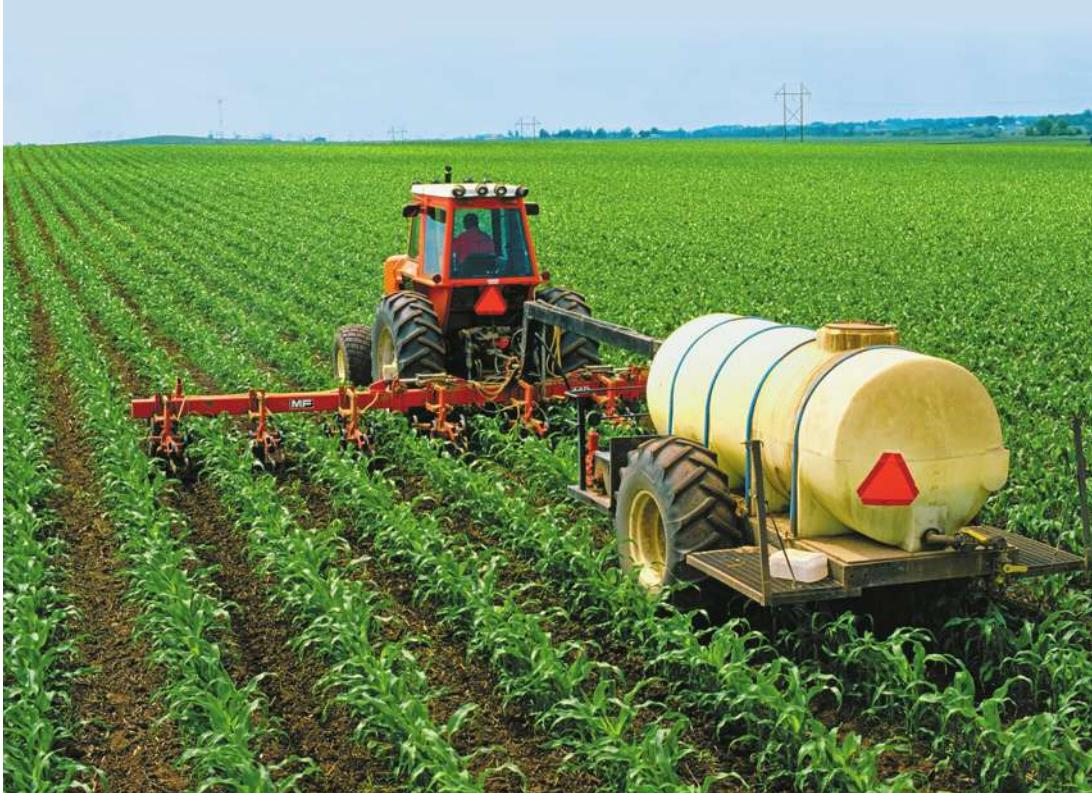
Corn plants, such as those being fertilized here, extract a lot of nitrogen compounds from the soil. Excess nitrogen that the corn plants do not take up gets left behind in the soil, where it can be a pollutant.
Investigating Life: Improving Plant Nutrition to Feed the World
Crops such as rice, wheat, and corn supply more than half of the human diet. Plants require good nutrition in order to grow, and one of the nutrients often in short supply in soils is nitrogen. Organic farmers traditionally supply nitrogen by spreading animal waste (manure) over the field; as nature takes its course, the complex macromolecules in manure are broken down to ammonium ().
In 1917, Fritz Haber and Carl Bosch invented a way to make ammonia in the factory, revolutionizing crop plant nutrition. The Haber–Bosch process has been called one of the most important scientific feats of the twentieth century. Chemical fertilizer in the form of ammonium salts led to spectacular increases in food production. But nitrogen fertilizer is expensive in two ways. First, the Haber–Bosch process of manufacturing ammonium from hydrogen and nitrogen gases is very energy intensive and costly. Second, nitrogen fertilizer is also environmentally expensive.
Nitrogen fertilizer contributes to global warming through the burning of fossil fuels in its production and application. Furthermore, some is converted to nitrous oxide gas () in the soil. Nitrous oxide is a potent contributor to global warming, and its release can be especially significant when fertilizer is overapplied. In addition, rain can cause nitrogen fertilizer to be lost from farm fields and end up in lakes, rivers, or groundwater. When nitrogen-laden rivers enter the sea, excessive growth of marine algae is likely to result. Eventually the algae die, and the organisms that decompose the algae use up so much oxygen in the water that there is not enough left to support marine life. Nitrogen fertilizer runoff has resulted in vast “dead zones” in waters near the mouths of major rivers, including the Mississippi River Delta in the Gulf of Mexico.
Scientists are working on several strategies by which nitrogen fertilizer might be used more efficiently. One strategy is to improve farming practices, by applying optimal rates of nitrogen to crops while reducing losses to the environment. The other strategy is to alter the genetics of crop plants to improve their uptake and assimilation of nitrogen. Many processes are involved in a plant’s use of nitrogen from the soil, such as uptake into the roots, transport to other organs in the vascular system, and incorporation of nitrogen into organic molecules such as amino acids and nucleotides. Each process involves many genes, underscoring the complexity of inheritance.
QA How can nitrogen-use efficiency be improved? (Find the answer on page 776.)
Plants Require Nutrients
Learning Objectives
- 34.1.1 Identify nutrient deficiencies based on observations.34.1.2 Explain difficulties involved in testing nutrient requirements for plant growth.Every living thing—and a plant is no exception—must obtain raw materials from its environment. These nutrients include the major ingredients of macromolecules: carbon, hydrogen, oxygen, and nitrogen. A common misconception is that plants receive most of their mass from the soil. This is correct only to the extent that water is concerned. The elements that contribute most to the dry weight (weight after water is removed) of a plant are carbon and oxygen—meaning that most of the mass of a plant comes from the air. Plants are autotrophs, and obtain both carbon and oxygen from the atmosphere through the reactions of photosynthesis and cellular respiration (see Chapters 9 and 10). In addition to serving as a source of energy, the fixed carbon molecules from photosynthesis form the physical building blocks from which the plant body is constructed. Hydrogen comes mainly from water, so it is plentiful when there is an adequate water supply. Nitrogen, as you will see later in this chapter, enters most plants from the soil. The activities of microorganisms are important in converting organic nitrogen and nitrogen gas into inorganic forms that are usable by plants.
Plants require nutrients in different amountsIn addition to nitrogen, organisms require other mineral nutrients: inorganic elements that are used for various cellular processes. For example, proteins contain sulfur (S), nucleic acids contain phosphorus (P), chlorophyll contains magnesium (Mg), cytochromes contain iron (Fe), and cellular signaling can involve calcium (Ca). Most plants obtain these nutrients from the soil. Within the soil, minerals dissolve in water as ions, forming a solution—called the soil solution—that contacts the roots of plants.
A plant nutrient is called an essential element if the plant fails to complete its life cycle or grows abnormally when the element is absent or insufficient. Essential elements (Table 34.1) fall roughly into two categories—macronutrients and micronutrients—based on the amounts required by plants.
- A plant needs macronutrients in concentrations of at least 1 gram per kilogram of the plant’s dry matter.
- A plant needs micronutrients in concentrations of less than 100 milligrams per kilogram of the plant’s dry matter.
How do we know if a plant is getting enough of a particular nutrient?
Table 34.1 Mineral Elements Required by Plants
| Element (abbreviation; absorbed form) | Typical amount in plant (g/kg dry wt) | Major functions | Deficiency symptoms |
|---|---|---|---|
| MACRONUTRIENTS | |||
| Nitrogen (N; and ) | 15 | In proteins, nucleic acids | Oldest leaves turn yellow and die prematurely; plant is stunted |
| Phosphorus (P; and ) | 2 | In nucleic acids, ATP, phospholipids, and phosphoproteins | Plant is dark green with purple veins and is stunted |
| Potassium (K; ) | 10 | Enzyme activation; water balance; ion balance; stomatal opening | Older leaves have dead edges |
| Sulfur (S; ) | 1 | In proteins and coenzymes | Young leaves are yellow to white with yellow veins |
| Calcium (Ca; ) | 5 | Affects the cytoskeleton, membranes, and many enzymes; second messenger | Growing points die back; young leaves are yellow and crinkly |
| Magnesium (Mg; ) | 2 | In chlorophyll; required by many enzymes; stabilizes ribosomes | Older leaves have yellow stripes between veins |
| MICRONUTRIENTS | |||
| Iron (Fe; and ) | 0.1 | In active site of many redox enzymes and electron carriers; chlorophyll synthesis | Young leaves are white or yellow |
| Chlorine (Cl; ) | 0.1 | Photosynthesis; ion balance | Leaf tips wilt; leaves turn yellow and die |
| Manganese (Mn; ) | 0.05 | Cofactor for many enzymes | Younger leaves are pale with green veins |
| Boron [B; ] | 0.02 | Required for proper cell wall formation and expansion | Poor growth of leaves and roots |
| Zinc (Zn; ) | 0.02 | Enzyme activation; auxin synthesis | Young leaves are abnormally small; older leaves have many dead spots |
| Copper (Cu; ) | 0.006 | Cofactor for some redox enzymes and electron carriers | New leaves are dark green, may have dead spots |
| Nickel (Ni; ) | 0.001 | Activation of the enzyme urease | Leaf tips die; deficiency is rare |
| Molybdenum (Mo; ) | 0.0001 | Cofactor of enzymes involved in nitrogen reduction | Leaves turn yellow between veins; older leaves die |
Deficiency symptoms reveal inadequate nutrition
When a plant is deficient in an essential element, it displays characteristic deficiency symptoms. Table 34.1 and Figure 34.1 describe some of the symptoms that help growers diagnose mineral nutrient deficiencies in plants. With proper diagnosis, the missing nutrient(s) can be provided in the form of a fertilizer (an added source of mineral nutrients).
Hydroponic experiments identified essential elements
The essential elements for plants were identified by growing plants hydroponically—that is, with their roots suspended in nutrient solutions instead of soil (Figure 34.2). Growing plants in this manner allows for greater control of nutrient availability than is possible in a complex medium such as soil.
In the first experiments of this type, performed more than a century and a half ago, plants seemed to grow normally in solutions containing only calcium nitrate , magnesium sulfate (), and potassium phosphate (). A solution missing any of these compounds could not support normal growth. Tests with other compounds that included various combinations of these elements soon established the existence of six essential elements: calcium, nitrogen, magnesium, sulfur, potassium, and phosphorus. These are now known as the essential mineral macronutrients.
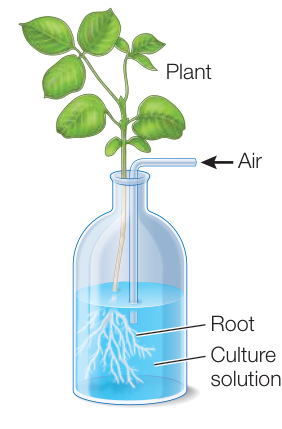
Figure 34.2 Hydroponic Systems Provide Control over the Nutrients to which the Roots Are Exposed
Iron was the first micronutrient to be clearly established as essential, in the 1840s. The most recent micronutrient to be listed as essential was nickel, in 1983. Identifying essential micronutrients proved to be more difficult than identifying macronutrients because of the small amounts involved. Sufficient amounts of micronutrients can be present in the environment used to grow plants or in the plants themselves. A seed may contain enough of a micronutrient to supply the embryo and the entire plant throughout its lifetime. There might even be enough left over to pass on to third-generation plants. Because of such difficulties, nutrition experiments must be performed in tightly controlled laboratories with special air filters that exclude microscopic salt particles in the air, and must use only the purest available chemicals.
Recap and Assess
Plants are autotrophs that obtain carbon and oxygen by photosynthesis, and mineral nutrients and water from the soil. Nutrients required by plants are classified as macronutrients or micronutrients depending on the amount needed. Micronutrients are often needed in such minute amounts that only sophisticated chemical experiments can determine their essentiality.
- Methods for determining whether a particular element is essential for plant growth were established more than a century and a half ago, yet the essentiality of some elements was discovered only recently. Why?
- If the young leaves of a plant are yellow, what nutrient deficiencies may be suspected? What if the yellow leaves are the oldest ones?
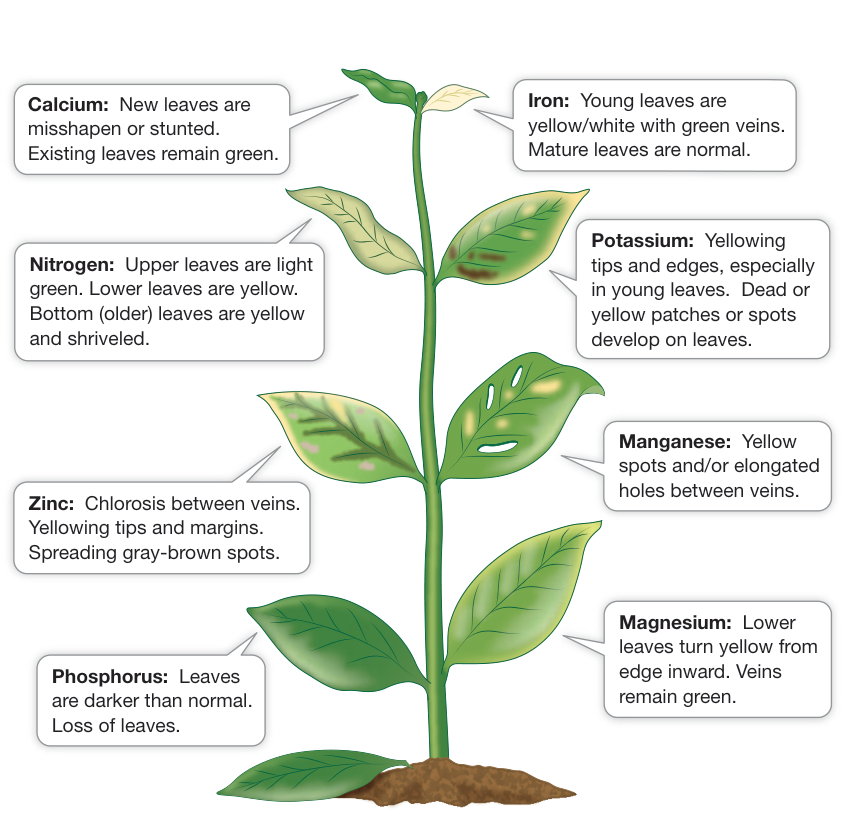
Figure 34.1 Mineral Nutrient Deficiency Symptoms Deficiencies of several nutrients are depicted in this diagram. Of course, it is very unlikely that a single plant would show all of these symptoms. Animation 34.1 Nitrogen and Iron Deficiencies
You have seen that plants require a specific set of nutrients in large and small amounts for optimal growth and development. Let’s look at how a plant finds and takes up these nutrients from its environment.
Plants Acquire Nutrients from the Soil
Learning Objectives
- 34.2.1 Explain how root growth affects the acquisition of soil nutrients.
- 34.2.2 Describe ways in which a plant is able to control the rate of movement of nutrients into a cell.
- 34.2.3 Detail how soil fertility is influenced by the process of cation exchange.
- 34.2.4 Explain how soil fertility is affected by changing land use patterns, including applications of different types of fertilizers.
We can move from place to place to find the nutrients we need. But a plant cannot change its location (it is sessile), and so must obtain nutrients from its immediate environment. With the exception of carbon and oxygen, a plant’s supply of nutrients is strictly local, and a plant may use up the water and mineral nutrients in its local environment as it grows. How does a plant cope with the problem of scarce nutrient supplies?
Plants rely on growth to find nutrients
As you learned in Chapter 32, plants differ fundamentally from animals in that plants grow throughout their lifetimes. In fact, growth is a plant’s version of movement. For example, roots obtain most of the mineral nutrients plants need. By growing through the soil, roots mine it for new sources of mineral nutrients and water. The growth of stems and leaves helps a plant secure light and carbon dioxide, which in turn allows the roots to continue their growth through the soil. Deficiencies in water or specific mineral nutrients can stimulate plants to grow more roots, to improve the plants’ chances of finding the nutrients they need.
As it grows, a plant—or even a single root—must deal with a variable environment. Animal droppings create high local concentrations of nitrogen. A particle of calcium carbonate may make a tiny area of the soil alkaline, while dead organic matter may make a nearby area acidic. Such microenvironments encourage or discourage the proliferation of a root system and help direct its growth. For example, phosphate has low mobility in the soil and is found primarily in the topsoil, along with the bulk of the organic matter. When Arabidopsis thaliana plants are grown on a controlled medium that is deficient in phosphorus, they produce many lateral roots, as well as more and longer root hairs, but this growth is limited to the upper portions of the root system (Figure 34.3A). Collectively, these changes in the root system promote foraging for nutrients in the topsoil.
In contrast, the form of nitrogen most commonly taken up by plants, nitrate (), is relatively mobile in soil and is more prevalent in lower regions of the soil. When A. thaliana plants are grown on a uniform medium that contains moderately low levels of nitrogen, the primary root is longer than that of plants grown with higher concentrations of nitrogen, and the lateral roots are more vertically oriented (Figure 34.3B). In other words, low nitrogen levels can cause the root system to grow deeper into the soil where the likelihood of reaching nitrate-rich patches of soil may increase.
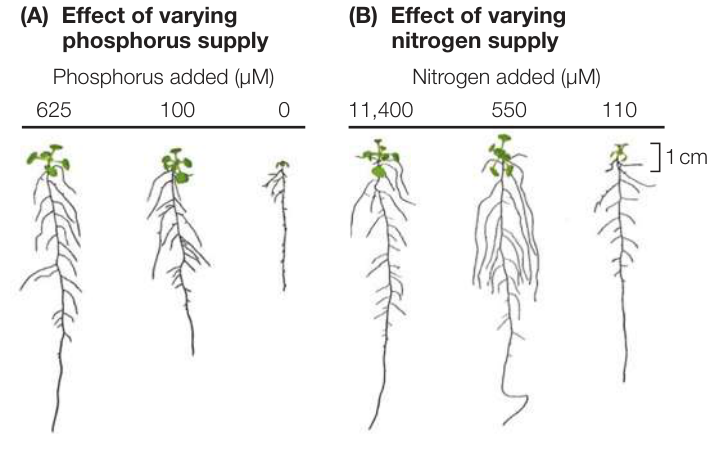
Figure 34.3 Plants Alter the Architecture of Their Root Systems in Response to Soil Nutrients Plants shown here were grown on media with uniformly low levels of either phosphorus (A) or nitrogen (B). (After B. D. Gruber et al. 2013. Plant Physiol 163: 161–179.)
Nutrient uptake and assimilation are regulated
Nutrients must cross the cell membranes of cells in order to be used in the cell or be incorporated into larger molecules. Polar molecules, including mineral ions, cross the membrane via specialized transport systems. In Chapter 33 you saw how water and ions move into plant roots by way of the apoplast (through cell walls and intercellular spaces) or symplast (directly through cells). The Casparian strip prevents water and ions from entering the xylem tissues of the roots without first entering the symplast (see Key Concept 33.1). In most cases, ions are actively transported across the cell membrane of epidermal cells into the symplast because their concentrations in the soil solution are generally lower than their concentrations inside cells. These active transporters therefore serve as gatekeepers that affect which nutrients will be transported to the xylem and thus the rest of the plant.
Plants have specialized transport systems for the uptake of specific ions (Figure 34.4). For example, A. thaliana has more than 50 genes that encode nitrate () transporters, 6 genes encoding ammonium () transporters, and at least 4 genes for phosphate () transporters. Nutrient uptake is highly regulated because the levels of ions inside cells must be maintained at constant levels. The genes for ion transporters are regulated at the transcriptional level by the amounts of each nutrient inside cells: low nutrient levels stimulate transcription, whereas high levels repress transcription. In addition, the transporter proteins themselves are regulated (for example, by phosphorylation) to control their ion transport activity.
The incorporation of nutrients into more complex molecules is also regulated according to the plant’s needs. The enzymes involved in incorporating nitrate and ammonium into amino acids are regulated at the transcriptional and posttranscriptional levels to increase assimilation when available nitrogen is abundant. The uptake and assimilation of nitrogen are also stimulated by photosynthesis, and this ensures that the nitrogen status in the plant is coordinated with its carbon status.
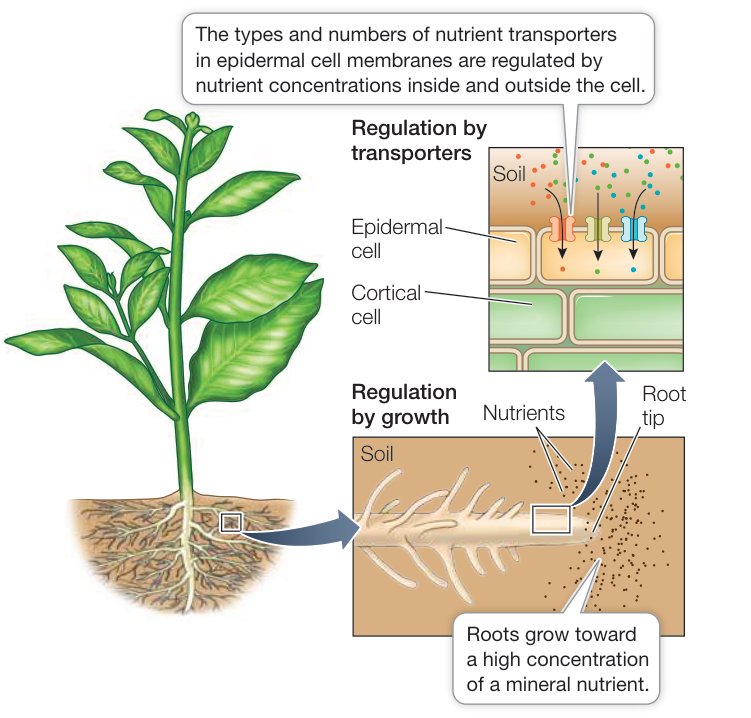
Figure 34.4 Plants Regulate Their Nutrition Plant roots branch and grow toward nutrients. Nutrients are taken up by transport proteins in the cell membrane. The number of transporters for a given nutrient can be regulated in response to nutrient availability.
Soil provides anchorage and nutrients for plants
Most terrestrial plants grow in soil. Soils provide:
- mechanical support.
- mineral nutrients and water from the soil solution.
- for root respiration.
Soils have living and nonliving components (Figure 34.5). The living components include plant roots as well as populations of bacteria, fungi, protists, and animals such as earthworms and insects. The nonliving portion of the soil includes rock fragments ranging in size from large stones to sand to silt, and finally to tiny particles of clay that are 2 micrometers () or less in diameter. Soil also contains water and dissolved mineral nutrients, air spaces, and dead organic matter. The air spaces in soil contain . Typical percentages of these components are:
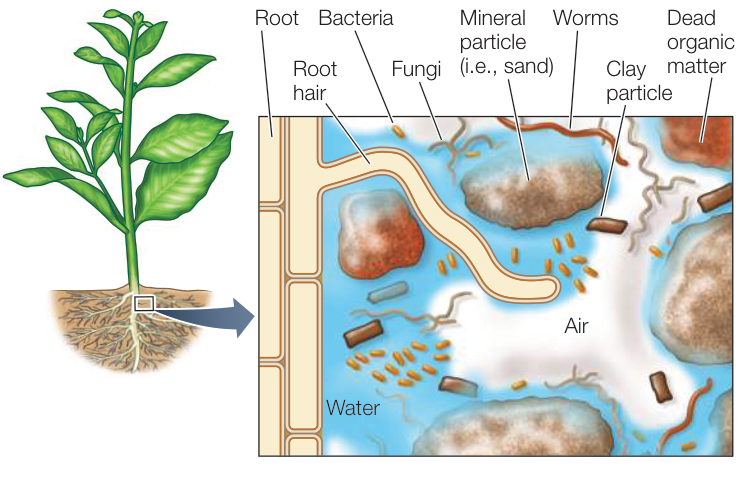
Figure 34.5 The Complexity of Soil Soils favorable for plant growth contain both clay and larger mineral particles, as well as water, air, and organic matter. Other organisms are also present.
Particles: 45% Water: 25% Air: 25% Organisms: 5%
Although soils vary greatly, almost all of them have a soil profile consisting of several recognizable horizontal layers, called horizons, lying on top of one another. Soil scientists recognize three major horizons—termed A, B, and C—in the profile of a typical soil (Figure 34.6):
- The A horizon is the topsoil that supports the plant’s nutrient needs. It contains most of the soil’s living and dead organic matter.
- The B horizon is the subsoil, which accumulates materials from the topsoil above it and from the parent rock below.
- The C horizon is the parent rock, also called bedrock, which is in the process of breaking down to form soil.
Soil fertility is a soil’s ability to support plant growth. A topsoil’s fertility is determined by several factors. Topsoils vary greatly in their proportions of sand, silt, and clay, and this influences their ability to support plant growth. For example, mineral nutrients tend to be leached from the upper soil horizons—dissolved in rain or irrigation water and carried to deeper horizons, where they are unavailable to plant roots. Dissolved minerals are readily leached from sandy soil because sand particles are relatively large and cannot hold water. Clay, by contrast, binds more water than sand does, and the charged surfaces of clay particles bind mineral ions that plant roots ultimately take up. But clay particles are tiny and pack tightly together, leaving little space for air. A loam is a soil that is an optimal mixture of sand, silt, and clay and thus has sufficient levels of air, water, and available nutrients for plants. Loams also usually contain organic matter. Most of the best topsoils for agriculture are loams.
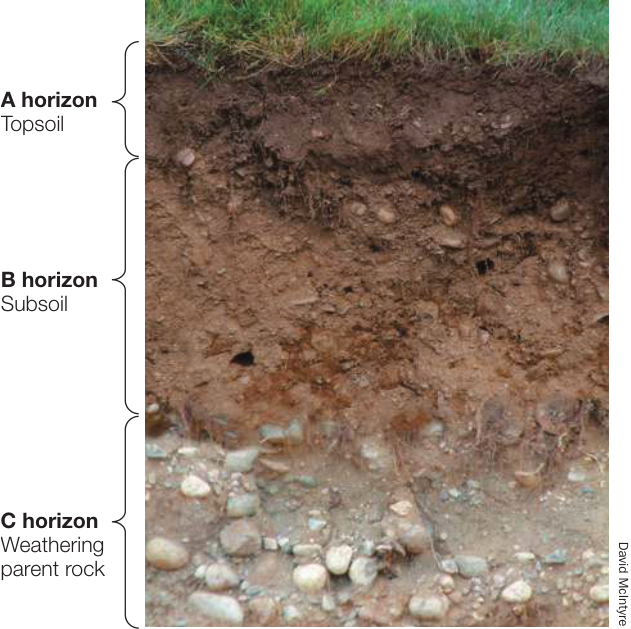
Figure 34.6 A Soil Profile The A, B, and C horizons can sometimes be seen at construction sites such as this one in Massachusetts. The upper layer (the A horizon) is home to most of the living organisms in the soil.
In addition to mineral particles, soils contain dead organic matter, largely from plants. Soil organisms break down dead leaves and other plant organs on the ground into a substance called humus. This material is used as a food source by microbes that break down complex organic molecules and release simpler molecules into the soil solution. Humus also provides air spaces that increase availability to plant roots.
Soils are the source of plant nutrition
Humus and clay particles often carry negative charges. These particles form ionic bonds (see Key Concept 2.2) with the positively charged ions (cations) of many minerals that are important for plant nutrition, such as potassium (), magnesium (), and calcium (). To become available to plants or other organisms, these cations must be detached from the clay particles. How can this breakage of ionic bonds happen?
Recall that the root surface is covered with root hairs (see Figure 32.11). Transporters in the cell membranes of the root hairs actively pump protons () out of the cell. In addition, cellular respiration in the roots releases , which dissolves in the soil water and reacts with it to form carbonic acid. This acid ionizes to form bicarbonate and free protons:
Proton-pumping by the root and ionization of carbonic acid both act to increase the proton concentration (lower the pH) in the soil surrounding the root. The protons bind more strongly to clay particles than do mineral cations; in essence, they trade places with the cations in a process called cation exchange (Figure 34.7). Cation exchange releases important cations into the soil solution, where they are available to be taken up by the roots. Soil fertility is determined in part by the soil’s ability to provide nutrients in this manner.
Some soil particles, such as ones containing oxides of iron or aluminum, are positively charged under acid conditions and can exchange anions ( , for example) in a process similar to cation exchange. However, soil pH is rarely low enough for anion exchange to occur. As a result, important anions such as nitrate () and sulfate ()—direct sources of nitrogen and sulfur, respectively—may leach rapidly from the A horizon.
As you’ve seen, soil fertility is affected by soil pH. The concentration affects the binding of cations and anions to soil particles, and can affect the solubility of other nutrients, such as iron. In addition, soil pH affects the absorption of nutrients by plant roots. The pH level of a soil depends on its mineral and organic contents and can be altered by various factors, including rainfall, weathering (the breakdown of rock into soil particles), plant growth, and fertilizer applications. The optimal soil pH for most plants is in the range 6–7.5, but some plants, such as blueberries and cranberries, prefer pH levels of 4.5–5.
Fertilizers add nutrients to soil
Leaching and the harvesting of crops can deplete a soil of its nutrients, so that new crops grow poorly on that soil. Soil fertility can be restored or increased in various ways, including shifting agriculture to another location or applying organic or chemical fertilizers.
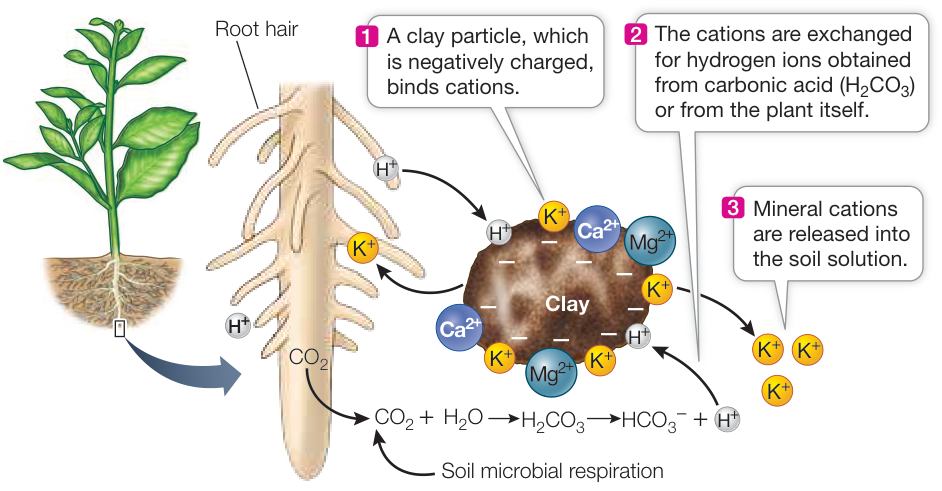
Figure 34.7 Cation Exchange Plants obtain mineral nutrients from the soil primarily in the form of positive ions; potassium ( ) is the example shown here. Q: Do negatively charged ions behave differently?
SHIFTING AGRICULTURE In the past, when the soil could no longer support a level of plant growth sufficient for agricultural purposes, people simply moved to another location. The nutrients in the soil of a field allowed to lie fallow will be replenished gradually through the addition of organic matter from the growth and death of plants naturally present, and by the weathering of the parent rock. Both processes take a long time, which is not a problem as long as a lot of land is available. Today, however, the food needs of a large human population are too great to allow land to be left vacant for a long time, and people are disinclined to move away from settled homesteads. As a consequence, chemical fertilizers are often used to improve soil fertility.
ORGANIC FERTILIZERS Microorganisms in the soil break down organic molecules into smaller, simpler molecules. These simpler molecules can dissolve in soil water and enter plant roots. For example, soil bacteria break down the proteins in dead leaves and produce ammonium ions (), which in turn are converted into nitrate (). Both ammonium and nitrate can be taken up and used by plants:
Farmers can increase the nutrient content of soil by adding organic materials such as compost (partially decomposed plant materials) or manure (waste from farm animals). Manure is a particularly good source of nitrogen. In either case, the addition of these organic fertilizers adds nutrients to the soil much more rapidly than weathering or the gradual addition of organic matter from natural vegetation. Organic fertilizers allow for a slow release of ions as the materials decompose.
INORGANIC FERTILIZERS Inorganic fertilizers supply mineral nutrients in forms that can be taken up immediately by plants or that are rapidly converted to usable forms in the soil. Inorganic fertilizers are easily transported and handled, and allow farmers to control the amount of a particular nutrient that is supplied to each crop. Particular fertilizers are used in varying amounts, depending on the needs of the crop and the type of soil. For example, much higher amounts of nitrogen are applied to cornfields than to soybean fields. Inorganic fertilizers come in many forms. Common ones include ammonia (), urea (), and salts formed from positive and negative ions such as ammonium (), potassium (), nitrate (), phosphate (), and sulfate ().
Recap and Assess
Land plants live anchored in the soil and obtain water and mineral nutrients from it. Both the uptake and assimilation of nutrients are regulated according to a plant’s needs, through coordinated changes in growth and production of transport proteins. Soils are complex in structure and vary in fertility. Farmers can add fertilizers to improve the nutrient contents of soils.
- How do plants control the uptake and assimilation of mineral nutrients?
- Soils are dynamic systems. What changes might result when land is subjected to heavy irrigation for agriculture after being relatively dry for many years?
- How does the process of cation exchange enhance soil fertility?
Thus far we have focused on the uptake of nutrients in the soil by plant roots. An understanding of how plants acquire nutrients from the soil would be incomplete, however, without taking into account the involvement of soil microbes, including fungi and bacteria. In the next key concept we will focus on the intimate interactions of plants with these organisms, which are essential to the success of most terrestrial plants.
Soil Organisms Increase Nutrient Uptake by Plant Roots
Learning Objectives
34.3.1 Describe the process by which plants establish mutualistic relationships with fungi and bacteria, and the benefits derived from these relationships.
34.3.2 Explain the role of nitrogen-fixing organisms in supporting life on Earth.
34.3.3 Describe crop rotation and explain how it relates to plant nutrition.
One gram of soil can contain 6,000–50,000 bacterial species and up to 200 meters of fungal hyphae (the long branching cells of fungi), although both are largely invisible to the naked eye. Plants spend a significant amount of their photosynthate to produce and exude (secrete) a wide range of compounds from their roots into this complex environment, and as a result, plants influence the type and abundance of the organisms that live near their roots. These secretions are called exudates, and the region of soil close enough to a root to be affected by them is called the rhizosphere. The composition of the rhizosphere changes over time depending on the environment and the state of the plant. When plants are attacked, their roots may secrete molecules that increase the abundance of beneficial bacteria. Some of these bacteria prime a plant’s defenses, helping protect it against future attacks. Other secretions can attract symbiotic partners or can poison competitors. The existence of a dynamic bacterial community in the rhizosphere has led to comparisons between the bacteria in the rhizosphere and the bacterial communities in the human gut.
Plants send signals to soil organisms
In Chapter 28 we described mycorrhizae, the association of fungi with plant roots—an interaction that occurs in more than 90% of terrestrial plants. Our example in Chapter 28 was ectomycorrhizal fungi, which wrap themselves around a plant root (see Figure 28.10). In this chapter we examine arbuscular mycorrhizae, in which fungal hyphae penetrate root cells. We also describe here the close association between the roots of some plants and rhizobia, a group of nitrogen-fixing bacteria (bacteria that convert atmospheric into a more biologically useful form). You will see that mycorrhizal and rhizobial associations are both initiated by signals sent by plant roots that attract the soil organisms, and that the development of these associations involves similar genes and cellular pathways.
Connect the Concepts Mycorrhizal and rhizobial associations are examples of mutualism, one of the major types of interactions discussed in Key Concept 54.1.
FORMATION OF MYCORRHIZAL ASSOCIATIONS You can follow the events in the formation of arbuscular mycorrhizae in Figure 34.8A. Plant roots produce molecules called strigolactones that stimulate rapid growth of fungal hyphae toward the root. In
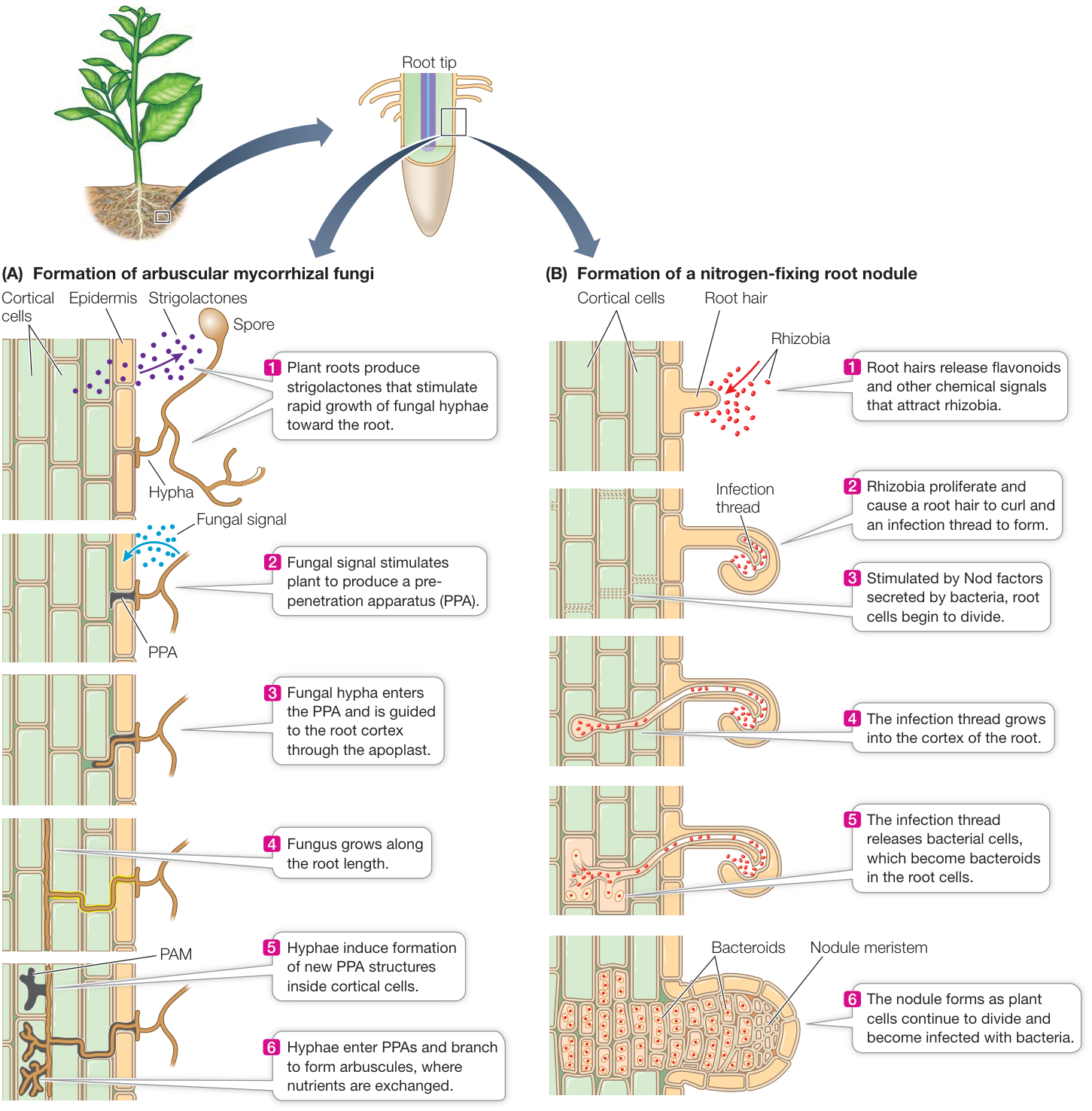
Figure 34.8 Roots Send Signals for Colonization Plant roots send chemical signals to arbuscular mycorrhizal fungi (A) and nitrogen-fixing bacteria (B) to stimulate colonization. (PAM = periarbuscular membrane.)
(B) Formation of a nitrogen-fixing root nodule
response, the fungi produce signals that stimulate expression of genes that promote symbioses with other organisms. The products of some of these genes give rise to the prepenetration apparatus (PPA), which guides the growth of the fungal hyphae into the root cortex. The sites of nutrient exchange between fungus and plant are the arbuscules, which form within root cortical cells. Despite the intimacy of this association, the plant and fungal cytosols never mix—they are separated by two membranes, the fungal cell membrane and the periarbuscular membrane (PAM), which is continuous with the plant cell membrane.
FORMATION OF NITROGEN-FIXING NODULES A group of plants called legumes (members of the plant family Fabaceae) can form symbioses with soil bacteria in several genera collectively known as rhizobia. The legume roots release flavonoids and other chemical signals that attract the rhizobia to the vicinity of the roots (Figure 34.8B). The flavonoids also trigger the transcription of bacterial nod genes, the products of which synthesize Nod (nodulation) factors. These and other factors, when secreted by the bacteria, cause cells in the root cortex to divide, leading to the formation of a primary nodule meristem. This meristem gives rise to the plant tissue that constitutes the root nodule. Bacteria enter the root via an infection thread, analogous to the PPA in mycorrhizal associations, and eventually reach cells inside the root nodule. There the bacteria are internalized by nodule cells, enclosed in membrane vesicles similar to the PAM. Inside the vesicles, the bacteria differentiate into bacteroids—the form of the bacteria that can fix nitrogen.
A COMMON MECHANISM Mycorrhizal associations are not only common, they are ancient. Fossils of some of the earliest land plants (circa 400 million years ago) contain structures that look similar to modern arbuscules. Strikingly, the appearance of arbuscules in these plants predates the evolution of roots. The accumulated evidence strongly suggests that fungal associations coevolved with land plants.
Nodule formation depends on some of the same genes and mechanisms that allow mycorrhizae to develop. For example, both processes involve folding in of the cell membrane to allow entry of the fungal hyphae or rhizobia. The similarities in the structures formed during the development of mycorrhizae and nodules are especially striking, considering that the symbioses involve members of two different kingdoms (fungi and bacteria) (Figure 34.9).
Mycorrhizae expand the root system
In many cases the roots of vascular plants cannot nutritionally support plant growth alone—they simply cannot reach all the nutrients available in the soil. Mycorrhizae expand the root surface area 10-to 1,000-fold, increasing the amount of soil that can be mined for nutrients. In addition, because fungal hyphae are much finer than root hairs, they can get into pores in the soil that are inaccessible to roots. In this way, mycorrhizae probe a vast quantity of soil for nutrients and deliver them into root cortical cells.
The primary nutrient that the plant obtains from a mycorrhizal interaction is phosphorus. In exchange, the fungus obtains an energy source: the products of photosynthesis. In fact, up to 20% of the photosynthate of terrestrial plants is directed to and consumed by arbuscular mycorrhizal fungi. Such associations are excellent examples of mutualism, an interaction between two species in which both species benefit. Mutualism is a type of symbiosis, in which two different species live in close contact for a significant portion of their life cycles. As is demonstrated in Investigating Life: Mycorrhizal Fungi Can Replace Fertilizer in Cassava Cultivation, the relationship between mycorrhizae and plant roots can be exploited by increasing the fungal population. Many species of fungus invade roots. Identification and genetic improvement of these species is now possible, which holds great promise for improving phosphorus nutrition in important crops.
Soil bacteria are essential in getting nitrogen from air to plant cells
The essential mineral nutrient most commonly in short supply, in both natural and agricultural situations, is nitrogen. This is surprising because elemental nitrogen () makes up almost four-fifths of Earth’s atmosphere. However, plants cannot use directly as a nutrient. The triple bond linking the two nitrogen atoms is extremely stable, and a great deal of energy is required to break it; thus is a highly unreactive substance.
Some prokaryotes have an enzyme that enables them to convert into a more reactive and biologically useful form by a process called nitrogen fixation:
This equation is simplified: actually, gas is a byproduct. Nitrogen fixers, including those present in root nodules, fix approximately 170 million metric tons of nitrogen per year. Humans use industrial methods to fix about 80 million metric tons per year. In addition, about 20 million metric tons per year are fixed in the atmosphere by nonbiological means such as lightning, volcanic eruptions, and forest fires. Rain brings these atmospherically formed products to the ground.
Two types of organisms can fix nitrogen:
- Free-living organisms living in soil and water (e.g., Azotobacter bacteria and Nostoc cyanobacteria [the latter sometimes called blue-green algae])
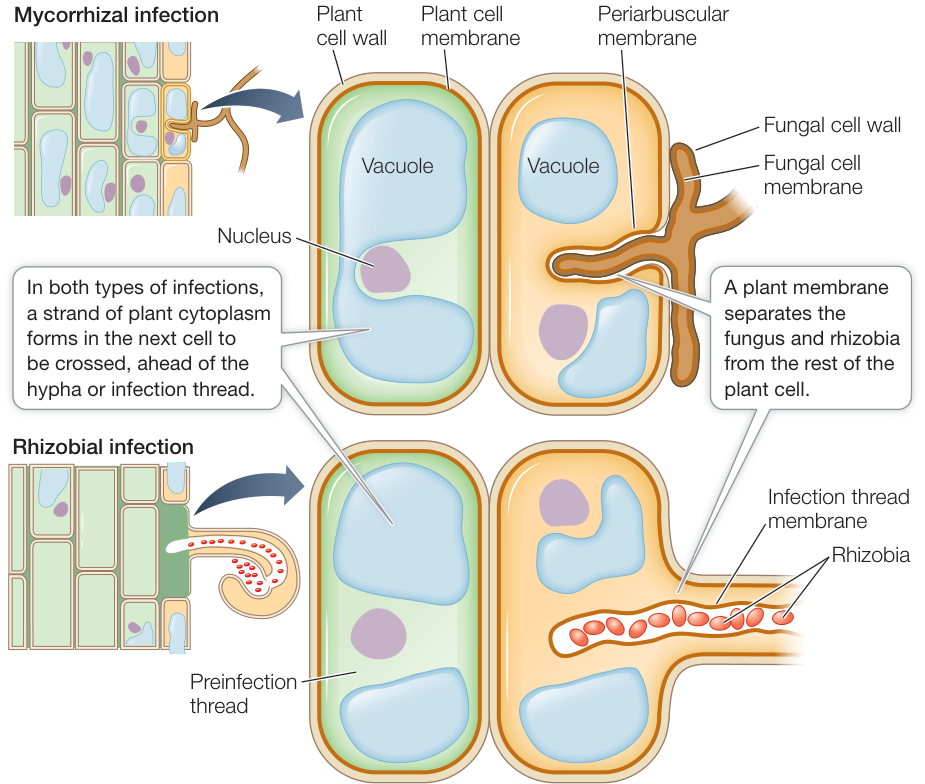
Figure 34.9 Intracellular Structures in Plant–Fungus and Plant–Rhizobia Symbioses Several steps in the development of mycorrhizae and nodules involve similar structures.
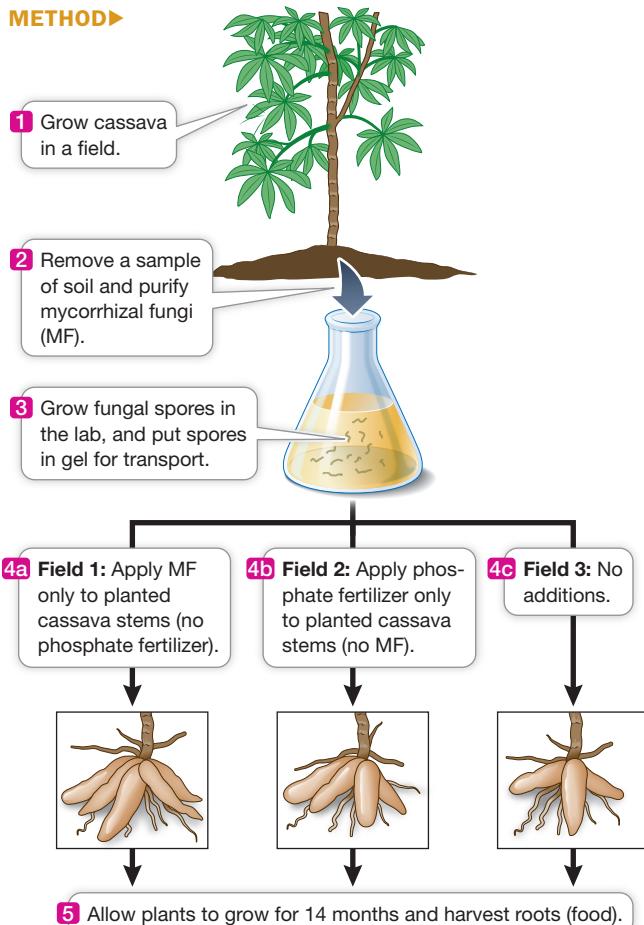
Investigating Life: Mycorrhizal Fungi Can Replace Fertilizer in Cassava Cultivation
Experiment
Original Paper: I. Ceballos et al. 2013. The in vitro mass-produced model mycorrhizal fungus, Rhizophagus irregularis, significantly increases yields of the globally important food security crop cassava. PLOS ONE 8: e70633.
Phosphorus is a plant macronutrient obtained from the soil. Unfortunately, in many tropical regions the phosphate level in the soil is inadequate to support the needs of crop production, forcing farmers to use inorganic phosphate fertilizer, which is a finite and expensive resource. The need for phosphate fertilizer poses an especially acute problem for farmers in poor, tropical regions of the world.
Mycorrhizal fungi very efficiently absorb phosphate ions from the soil. Plant roots with a symbiotic relationship with mycorrhizae obtain phosphorus, while the fungi obtain photosynthate (products of photosynthesis) from the plant. Ian Sanders and his team at the University of Lausanne in Switzerland, in collaboration with Alia Rodriguez and her team at the National University of Colombia in Bogota, investigated whether production of cassava could be increased by adding concentrated spores of mycorrhizae, thus lowering the need for phosphate fertilizer.
HYPOTHESIS Adding arbuscular mycorrhizae to the soil can replace the need for phosphate fertilizer and increase food production in cassava.
METHOD
Work with the Data
QUESTIONS
- Concentrated spores of the mycorrhizal fungus Rhizophagus irregularis were added to fields of cassava stems tied to stakes. Control fields did not receive the spores. The experiments took place at Yopal, Colombia, in a tropical region. At various times, developing roots were examined microscopically for the presence of fungal hyphae. The results are shown in Table A. Storage roots were harvested after 400 days.
Table A
| Days after spores were added | Percent colonization |
|---|---|
| 45 | 40 |
| 90 | 45 |
| 135 | 47 |
| 180 | 49 |
| 225 | 40 |
| 270 | 62 |
| 315 | 82 |
Plot the data as percent colonization versus time (days after spores added). When did the colonization of fungi increase? Why do you think there was a lag time?
- In a large field experiment, plots of 300 plants each were treated either with or without fungal spores, and with or without phosphate fertilizer in an amount usually needed for optimal growth (100%) or half of that (50%). The results are shown in Table B, as fresh weight (g) of cassava roots, the crop ( SEM, standard error of the mean; see Appendix B for an explanation of SEM).
Table B
| No fertilizer | 50% fertilizer | 100% fertilizer | |
|---|---|---|---|
| Fungal spores | 38 (2) | 40 (1) | 43 (2) |
| No fungal spores | 28 (2) | 36 (3) | 35 (2) |
- Did the addition of mycorrhizal spores affect the cassava production? What is the evidence for your answer?
- What statistical test would you use to test for significance of the effects of fertilizer and added mycorrhizae?
RESULTS
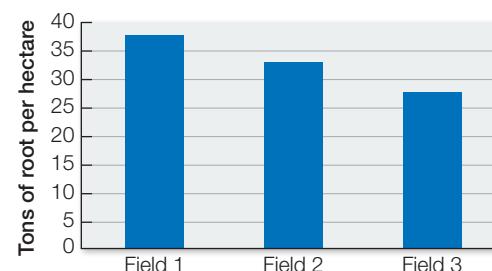
CONCLUSION Adding purified mycorrhizal spores increases cassava production and reduces the need for phosphate fertilizer.
- Symbiotic organisms living in other organisms (e.g., rhizobia in roots of legumes, and Anabaena cyanobacteria in aquatic ferns)
Nitrogenase catalyzes nitrogen fixation
Nitrogen fixation is the reduction (see Key Concept 9.1) of nitrogen gas. It proceeds by the stepwise addition of three pairs of hydrogen atoms to (Figure 34.10). In addition to , these reactions require three things:
- A strong reducing agent (e.g., ferredoxin) to transfer hydrogen atoms (protons and electrons) to and to the intermediate products of the reaction
- A great deal of energy, which is supplied by ATP
- The enzyme nitrogenase, which catalyzes the reaction
Nitrogenase is strongly inhibited by oxygen, and many nitrogen fixers are anaerobes that live in environments with little or no . But rhizobia are aerobic and fix nitrogen in aerobic plant roots. How can nitrogenase function under these circumstances?
Plants typically house nitrogen-fixing bacteria in root nodules. Within a nodule, is maintained at a low level that is sufficient to support respiration, but not so high as to inactivate nitrogenase. This is possible because the cytoplasm of nodule cells contains a plant-produced protein called leghemoglobin, which is an carrier. Leghemoglobin is a close relative of hemoglobin, the red, oxygen-carrying pigment of animals, and is thus an evolutionarily ancient molecule. Some plant nodules contain enough of it to be bright pink inside. Leghemoglobin, with its iron-containing heme groups, transports enough oxygen to the nitrogen-fixing bacteria to support their respiration, while keeping free oxygen concentrations low enough to protect nitrogenase.
Biological nitrogen fixation does not always meet agricultural needs
Crop rotation systems have been used for hundreds or thousands of years by many human civilizations. In these systems, each field is used to grow different crops in different years, with legumes (such as alfalfa, clover, peas, and beans) included in the rotation. The rotation may also include periods of grazing by farm animals.
Because of their association with nitrogen-fixing bacteria, legumes can replace all or some of the nitrogen removed by grain crops such as wheat and corn. Even with these systems, however, bacterial nitrogen fixation is not always sufficient to support the needs of agriculture. Some traditional farmers used to plant dead fish along with corn; the decaying fish released nitrogen that the developing corn could use. Today farmers use inorganic nitrogen fertilizers produced through industrial nitrogen fixation to meet the food needs of a rapidly expanding human population.
Connect the Concepts The importance of nitrogen fixation in the ecological nitrogen cycle is discussed in Key Concept 56.4.
Ammonia formation is the first step in nitrogen assimilation by plants
Nitrogen fixation by free-living bacteria in the soil results in the formation of ammonia (), and most of it is rapidly ionized to form ammonium (). The latter can be taken up by plant roots and is then used as a source of amino groups () in the formation of such molecules as amino acids and nucleotides. Soil bacteria called nitrifiers oxidize ammonia to nitrate ions ()—another form that plants can take up—by the process of nitrification. Soil pH affects which form of nitrogen is taken up by plants: nitrate ions are taken up preferentially under more basic conditions, and ammonium ions under more acidic ones. To use nitrate that has entered the roots, the plant must reduce it to ammonium in a process called nitrate reduction, which occurs in two enzyme-catalyzed steps. First, nitrate is converted to nitrite () in the cytosol, and then nitrite is converted to ammonium in the plastids.
Recap and Assess
Two mutualistic interactions with soil microbes are critical to the success of terrestrial plants. Fungi and plants form mycorrhizae, which greatly increase the soil volume that roots can scavenge for nutrients. Bacteria in soils and root nodules fix atmospheric nitrogen into forms that plants and ultimately animals can use.
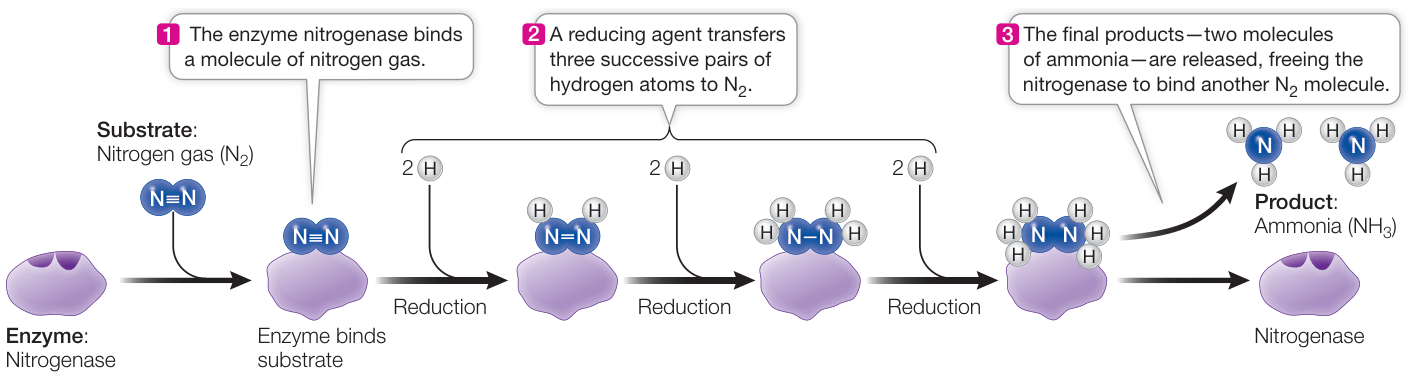
Figure 34.10 Nitrogenase Fixes Nitrogen Throughout the chemical reactions of nitrogen fixation, the reactants are bound to the enzyme nitrogenase. A reducing agent transfers hydrogen atoms to nitrogen, and eventually the final product—ammonia—is released. This reaction requires a large input of energy: about 16 ATPs are consumed per reaction. Q: Why does inhibit this reaction?
- What is exchanged between plants and fungi in mycorrhizae? Between leguminous plants and bacteria in nodules?
- Earth’s biosphere as we know it depends on the existence of a few species of nitrogen-fixing prokaryotes. What do you think might happen if one of these species were to become extinct? If all of them were to disappear?
- A common cropping method is crop rotation, with corn or soybeans being rotated on a given plot of land. Explain this in terms of plant nutrition, especially available nitrogen in the soil.
- Researchers grew lemon seedlings in soils that contained phosphate fertilizer, arbuscular mycorrhizal fungi, or both. The table shows the mean dry weight of the seedlings after 6 months. What do these results tell us about the role of phosphate fertilizer in the growth of lemon plants?
| Phosphate fertilizer added (g) | Mycorrhizae present | Seedling dry weight (g) |
|---|---|---|
| 0 | No | 1 |
| 0 | Yes | 10 |
| 12 | No | 28 |
| 12 | Yes | 166 |
| 24 | No | 20 |
| 24 | Yes | 210 |
Let’s turn now to some special mechanisms for obtaining nutrients that have evolved in plant species with unusual lifestyles.
Carnivorous and Parasitic Plants Obtain Nutrients in Unique Ways
Carnivorous and Parasitic Plants Obtain Nutrients in Unique Ways
Learning Objectives
- 34.4.1 Explain how carnivorous plants use nutrients from insects.
- 34.4.2 Create a hypothesis to explain the evolution of a parasitic plant species.
- 34.4.3 Analyze evidence that chemical signals involved in plant–bacteria and plant–fungi interactions represent an ancient process.
Most plants obtain their mineral nutrients from the soil solution. Carnivorous and parasitic plants are examples of plants that obtain nutrients from other sources.
Carnivorous plants supplement their mineral nutrition
Some plants augment their nitrogen supply by capturing and digesting flies and other insects. There are about 500 of these carnivorous plant species, the best known of which are Venus flytraps (genus Dionaea) (Figure 34.11A), sundews (genus Drosera) (Figure 34.11B), and pitcher plants (genus Sarracenia).
Carnivorous plants are typically found in boggy habitats that are acidic and nutrient-deficient. To obtain extra nitrogen, these plants capture animals, digest their proteins, and absorb the amino acids. Pitcher plants have pitcher-shaped leaves that collect small amounts of rainwater. Insects and even small rodents are lured into the pitchers by bright colors or attractive scents and are prevented from leaving by stiff, downward-pointing hairs. The animals eventually die and are digested by a combination of plant enzymes and bacteria in the water. Sundews have leaves covered with hairs that secrete a sticky, sugary liquid. Insects become stuck to these hairs, and more hairs curve over to further entrap them. Enzymes secreted by the plant digest the insects. Venus flytraps have specialized leaves with two halves that fold together. When an insect touches special hairs called trigger hairs on the leaf, its two halves snap together. The spiny margins interlock and imprison the insect before it can escape. The leaf then secretes enzymes that digest its prey.
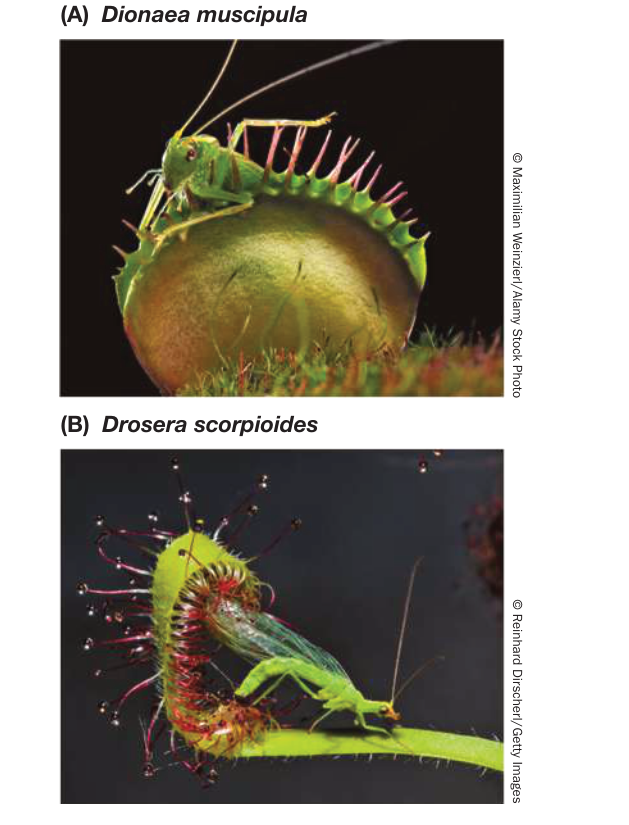
Figure 34.11 Carnivorous Plants Some plants have adapted to nitrogen-poor environments by becoming carnivorous. (A) The Venus flytrap obtains nitrogen from the bodies of insects trapped inside the plant when its hinges snap shut. (B) Sundews trap insects on sticky hairs. Secreted enzymes will digest the carcass externally.
The closing of the Venus flytrap’s leaf is one of the fastest movements in the plant world, requiring only 0.1 seconds. To find out how this happens, Dr. Lakshminarayanan Mahadevan and colleagues at Harvard University painted fluorescent dots on the surface of the flytrap’s leaf surface and used high-speed cameras to record the trap snapping shut when its trigger hairs were touched. They then used computer analysis of the recorded dot movements to generate a mathematical model to help explain the movement. The researchers found that the first step is the osmosis-driven elongation of cells on the outer surface of the leaf. The expansion of only one side of the leaf causes it to snap from a convex into a concave shape, much like a contact lens flipping inside out.
Carnivorous plants photosynthesize and extract soil nutrients just like other plants, but eating insects helps them grow faster in their natural habitats. They use the additional nitrogen from the insects to make more proteins, chlorophyll, and other nitrogen-containing compounds.
Parasitic plants take advantage of other plants
Approximately 1% of flowering plant species derive some or all of their water, mineral nutrients, and sometimes even photosynthate from other plants. These parasitic plants have evolved absorptive organs called haustoria, which invade the host and tap into the vascular tissues in the root or stem.
Parasitic plants are divided into two broad classes based on their nutritional interactions with their hosts. Hemiparasites can still photosynthesize but derive water and mineral nutrients from the living bodies of other plants. Perhaps the most familiar hemiparasites are the several genera of mistletoes. Mistletoes are green and carry on some photosynthesis, but they parasitize other plants for water and mineral nutrients and may derive photosynthetic products from them as well. Dwarf mistletoe (Arceuthobium americanum) is a serious parasite in forests of the western United States, destroying more than 3 billion board feet of lumber per year.
Holoparasites are completely parasitic and do not perform photosynthesis. They are taxonomically and morphologically diverse. Some, such as members of the dodder family, are plantlike in appearance, with small leaf remnants and flowers (Figure 34.12). Some holoparasites do not have leaves or stems because they spend most of their life cycle underground and only break the surface to flower.
Several parasitic plant species lack many of the genes normally present in the chloroplast genome (which in turn is only a remnant of the genome of the original endosymbiont from which the chloroplast evolved; see Key Concepts 5.5 and 25.1). These genes, which are needed for photosynthesis, have been lost because there is no evolutionary pressure to retain them. Thus while the parasitic lifestyle can be viewed as a free ride, for some plants it is also a one-way ticket, with no possibility of return to self-sufficiency.
The plant–parasite relationship is similar to plant–fungus and plant–bacteria associations
Plant–bacteria and plant–fungus associations both involve reciprocal signaling between the two species (see Figure 34.8). Parasitic plants also need to detect signals from nearby plants so they can grow toward them and obtain their nutrients, but obviously this is to the disadvantage of the potential host plant. In one interesting case, a parasitic plant has evolved the ability to recognize the chemical signals produced by plants to attract beneficial fungi.
The holoparasite Striga (witchweed) is a serious pest of cereal crops in Africa. Key Concept 34.3 described how arbuscular fungi are attracted to plant roots by compounds called strigolactones. One of these same molecules induces the seed germination of some parasitic plants, including Striga. Scientists strongly suspect that this is no coincidence. The mycorrhizal interaction is ancient (more than 400 million years old) and predates the evolution of parasitic plants. For this reason scientists hypothesize that a mechanism evolved in the ancestors of modern Striga to recognize a compound that was already produced by plants to attract soil microbes.
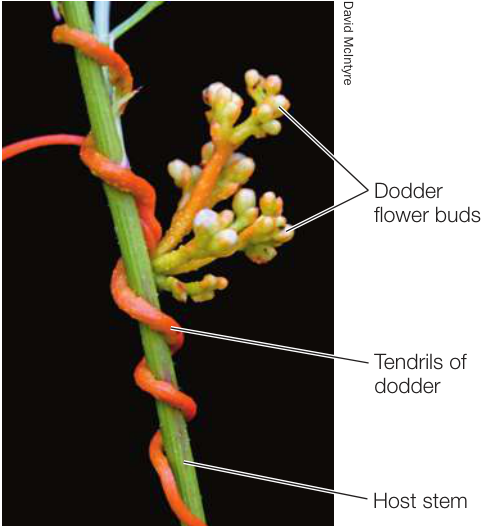
Figure 34.12 A Parasitic Plant Tendrils of dodder (genus Cuscuta) wrap around a mugwort (genus Artemisia). The parasitic dodder obtains water, sugars, and other nutrients through tiny, rootlike protuberances that penetrate the surface of the host plant.
In Striga we thus find an example of “opportunistic evolution”—that is, the repurposing of preexisting processes rather than the development of new processes. This is not the first time you have encountered this phenomenon in this chapter. Recall that the formation of nodules by rhizobia uses some of the same mechanisms used by arbuscular fungi to establish residence inside plant cells (see Figure 34.8). This implies an evolutionary connection between the two symbioses.
Recap and Assess
Carnivorous plants supplement their nutrition by extracting materials from animals. Rapid reflexes have evolved in some of these plants for trapping their prey. Parasitic plants, by contrast, get some or all of their sustenance from other plants. Holoparasites cannot function as autotrophs, having lost chloroplast genes that code for photosynthetic machinery.
- Describe the process by which carnivorous plants get nutrients from their prey. What is the primary nutrient they acquire?
- Some mutant Arabidopsis thaliana plants that are very bushy (their shoots are more highly branched than wild-type plants) cannot make strigolactones because of a mutation in a gene necessary for strigolactone biosynthesis. If an investigator applies strigolactones to the plants, they grow normally. What does this experiment suggest about the role of strigolactones in plant growth? How does this add to the story of strigolactones as signals for arbuscules and parasitic plants?
- Holoparasitic plants have lost many of the morphological and genetic traits necessary for an autotrophic lifestyle. From an evolutionary standpoint, how do you think this happened? (Hint: Think about selection pressures.)

Activity 34.1 Concept Matching: Plant Nutrition
Investigating Life: QA How can nitrogen-use efficiency be improved?
We described in the opening of this chapter and in Investigating Life: Mycorrhizal Fungi Can Replace Fertilizer in Cassava Cultivation the possibility of improving plant nitrogen nutrition by manipulating the environment around the plant, in particular by adding fertilizers and mycorrhizae to the soil. Negative environmental effects of fertilizer addition can be minimized by using farm machinery that determines the exact amount of fertilizer to apply in each section of a field. Smallholder rice farmers can compare the leaves of their crop with a leaf color chart that is calibrated to determine when application of additional nitrogen fertilizer may be effective. Another approach is to use conventional plant breeding (genetics) and biotechnology to improve the plant’s ability to use nitrogen. Publication of the corn genome sequence has provided useful information about genes involved in nitrogen use. For example, the seed company Pioneer Hi-Bred developed a strain of corn that produces a more efficient version of the enzyme glutamine synthetase (GS). GS adds ammonia to glutamate to form glutamine, and therefore plays an important role in nitrogen assimilation in plants. The new corn strain uses up to 20% less nitrogen fertilizer to produce the same yields as other corn varieties.
Future directions
As we pointed out at the beginning of the chapter, the manufacture of nitrogen fertilizer by the Haber–Bosch process is expensive, in terms of energy needed, greenhouse gases released, and economic costs. For too many farmers, nitrogen deficiency limits the growth of their crops. Efforts are under way to discover alternative ways of producing NH3. One ambitious goal is to transfer a suite of genes from nitrogen-fixing prokaryotes into plants such that the plants acquire the ability to fix nitrogen. While long-standing efforts in this direction have not yet succeeded, the technology for transferring genes has been established and the ability to target proteins to parts of the cell, such as mitochondria or other organelles where oxygen levels may be controlled, makes the idea seem less far-fetched than it was in the past. Another option is to devise a less energy intensive method for industrial fixation of nitrogen by finding a new catalyst that would allow the reaction to proceed with a lower energy input. The search for a new catalyst is currently an active area of research.

© Russ Munn/AgStock Images/AGE Fotostock
Visual Summary

You should be able to relate each summary to the adjacent figures. If you go to this visual summary in Achieve, you can follow links to figures, animations, activities, and simulations that will help you consolidate the material.
Plants Require Nutrients
- ■ Plants are photosynthetic autotrophs that can produce all their organic molecules from carbon dioxide, water, and minerals, including a nitrogen source. Mineral nutrients are obtained from the soil solution.
- ■ Plants require essential elements: six macronutrients and eight micronutrients.
- ■ Deficiency symptoms suggest what essential element(s) a plant lacks.
Questions
- One of the most pervasive misconceptions about plants is that they obtain most of their dry mass from the soil. Where does the largest fraction of a plant’s dry mass come from?
- Cooked spinach is often said to be a good source of iron. Is the idea that dark leafy greens are high in iron consistent with the appearance of the young leaves on an iron-deficient plant?
- How might you identify a nutrient deficiency in a plant?
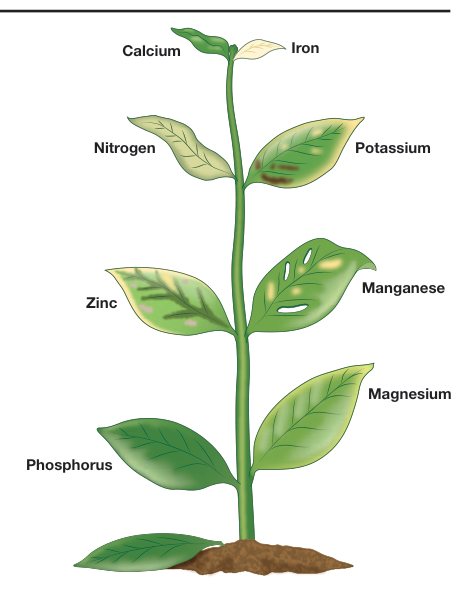
Figure 34.1
Plants Acquire Nutrients from the Soil
- ■ Soils contain living and nonliving components.
- ■ Plants can regulate the uptake of nutrients by altering their root architecture and by increasing the number or activity of transport proteins.
- ■ Cation exchange occurs when plants pump into the soil, liberating cations that plants can then take up.
Questions
- How is a plant’s ability to take in nutrients affected by its ability to regulate gene expression in response to environmental conditions?
- How might a plant with a deficiency of a particular cation increase its uptake of that cation? What is the cost associated with this strategy?
- What changes in the soil might result when a deciduous forest is cut down and replaced by crops that are harvested each year?
Soil Organisms Increase Nutrient Uptake by Plant Roots
- ■ Plants send signals that affect organisms living in the rhizosphere.
- ■ Plant secretion of strigolactones can promote associations with mycorrhizal fungi that promote uptake of minerals such as phosphate.
- ■ Legumes can promote nodulation by secreting flavonoids. Nitrogen fixation occurs in root nodules with the aid of bacteria that produce the enzyme nitrogenase.
Questions
- How do mycorrhizal associations increase nutrient uptake?
- What properties of root nodules promote nitrogen fixation?
- In what ways might the root-soil interface be similar to the interior of the human gut?
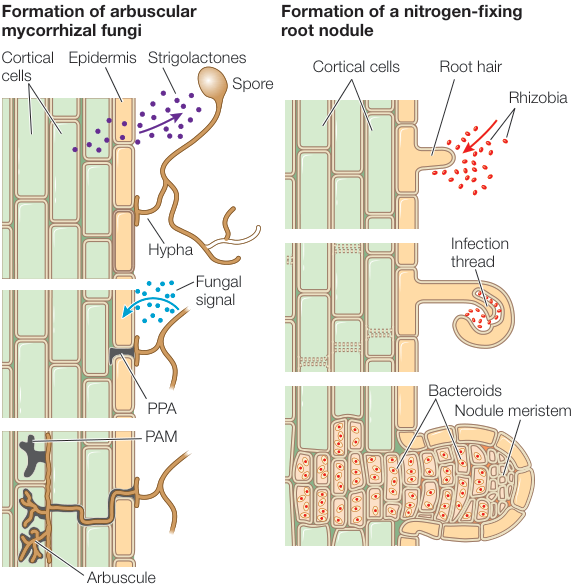
Figure 34.8
Carnivorous and Parasitic Plants Obtain Nutrients in Unique Ways
- ■ Carnivorous plants are autotrophs that supplement a low nitrogen supply by feeding on insects or other small animals.
- ■ Parasitic plants draw on other plants to meet their needs. Hemi-parasites, such as mistletoes, gain water from their hosts but still photosynthesize. Holoparasites are completely dependent on their hosts.
Questions
- Venus flytrap plants have green leaves. What function do the green leaves serve? Would the plants survive without these?
- Indian pipes (Monotropa uniflora), also called ghost plants, are totally white and live in dark forests. Which type of parasitic plants are these?
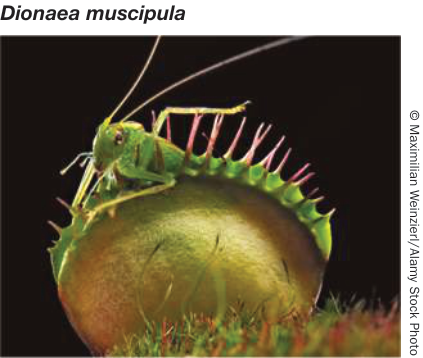
Figure 34.11
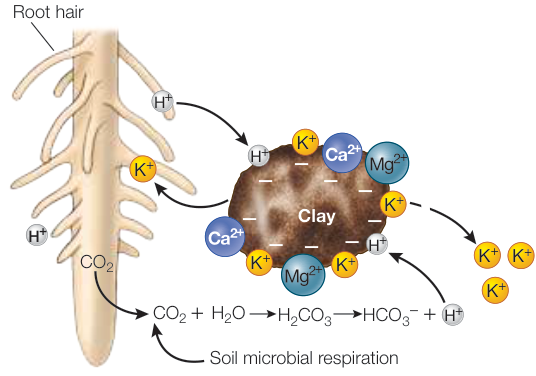
Figure 34.7