Chapter 1Studying Life
PART ONE The Science of Life and Its Chemical Basis
© National Geographic Image Collection/Alamy Stock Photo
Key Concepts
- 1.1 Living Organisms Have a Common Origin and Share Similarities
- 1.2 Genetics and Evolution Are Fundamental Principles of Biology
- 1.3 Biologists Investigate Life through Experiments That Test Hypotheses
- 1.4 Understanding Biology Is Important for Health, Well-Being, and Public-Policy Decisions
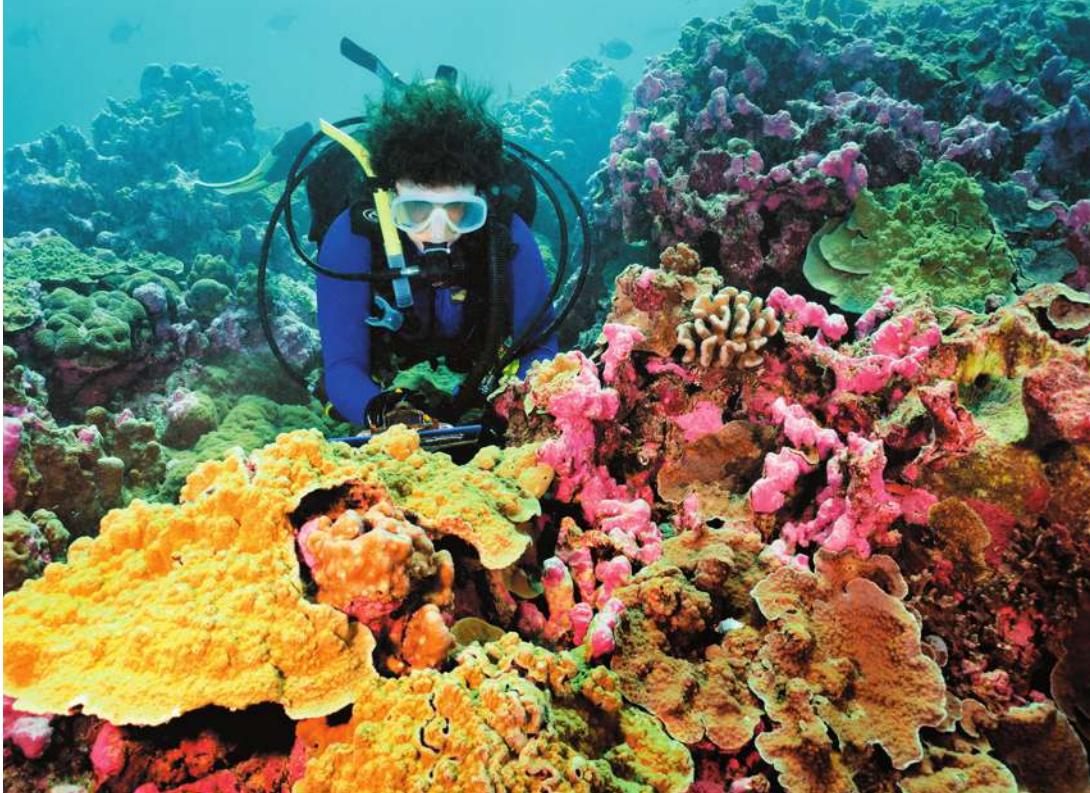
Scientists are studying how corals are affected by global climate change.
Investigating Life: Corals in Hot Water
Coral reefs support the largest diversity of life in the oceans. They provide fisheries and storm protection for about a billion people and are a magnificent source of natural beauty. But coral reefs are endangered. Over the past 25 years about half of the world’s reef-building corals have been destroyed by rising water temperature and other factors. High temperatures disrupt a fascinating aspect of coral biology. Corals are animals, yet most corals have algae (dinoflagellates) growing within their cells. Dinoflagellates use the energy of sunlight to produce carbohydrates. Corals provide a home for the dinoflagellates, which in turn provide nutrients for the corals. When high temperature impairs the dinoflagellates, the corals eject them—a process called bleaching. Then, without nutrients from the dinoflagellates, the corals die, unless they can take in new dinoflagellates that are more resistant to the higher temperatures.
Understanding the effects of heat on corals was the motivation of graduate student Rachael Bay and her colleagues working with Professor Steve Palumbi at Stanford University’s Hopkins Marine Station. While studying corals in small back-reef pools in American Samoa, they observed that during low tides some pools reached higher temperatures than others. The research-ers predicted that corals in the warmer pools had mechanisms enabling them to resist bleaching. To test their prediction, the researchers brought corals into the laboratory, subjected them to temperature fluctuations, and showed that the corals from the warm pools were more resistant to bleaching. They also transplanted corals between the different temperature environments in nature. As a result of these experiments, Bay and her colleagues proposed that two different processes contribute to the different abilities of the corals to survive heat stress. First, corals growing in the warmer pools could have genetic traits contributing to heat resistance, and second, individual corals may have the same genetic makeup but differ in their ability to adjust to their environment by changing the expression levels of certain genes. More knowledge of the mechanisms of heat stress and heat resistance in corals could lead to new strategies to decrease their losses as their environments change.
QA How might experiments on heat stress in corals be used to predict the response of corals to global warming? (Find the answer on page 20.)
Living Organisms Have a Common Origin and Share Similarities
Learning Objectives
- 1.1.1 List the major characteristics shared among all living things.
- 1.1.2 Describe the general history of life on Earth and the origins of the three major groups of organisms.
- 1.1.3 Explain how photosynthesis influenced the history of life on Earth.
- 1.1.4 Discuss the relationship between multicellularity and homeostasis.
You likely have a sense of what we mean by “life,” but try to define it; it isn’t easy. You can easily designate the things around you as living or nonliving, but what are the essential differences? We call the living things organisms. In contrast to nonliving things, organisms sustain and renew themselves. The loss of the ability to sustain and renew means the loss of life, and organisms that die become part of the nonliving world. Biology is the scientific study of organisms, both living and after death (e.g., the study of fossils), with the goal of discovering and understanding the underlying unity as well as the amazing diversity of the complex processes that make up life.
Life on our planet is quite diverse (Figure 1.1), yet its many diverse forms share common features. What characteristics do organisms share that distinguish them from the nonliving world? Most organisms:
- are composed of a common set of chemical compounds: mainly carbohydrates, fatty acids, nucleic acids, and amino acids.
- are made up of cells.
- use molecules obtained from the environment to synthesize new biological molecules.
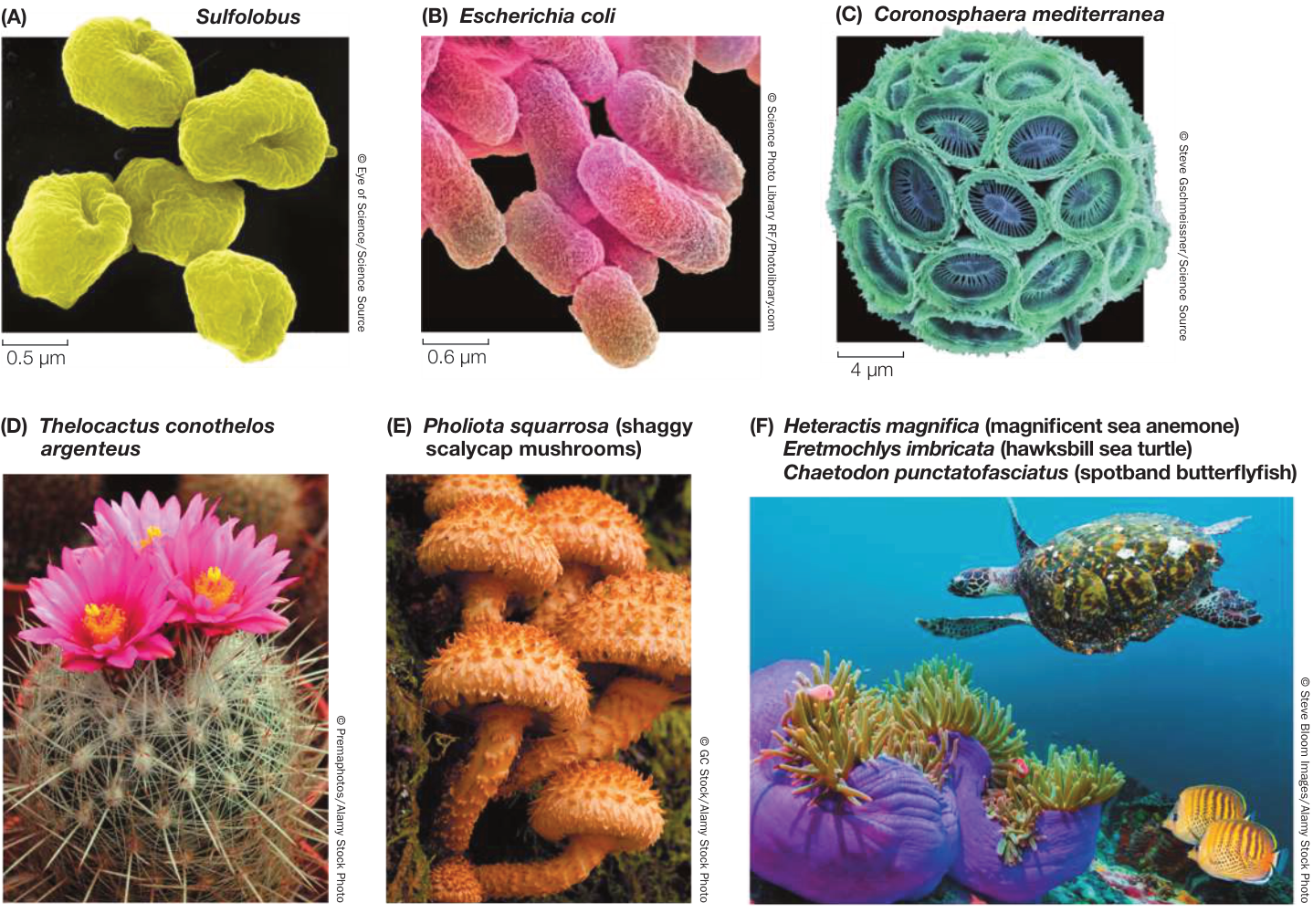
Figure 1.1 The Many Faces of Life The processes of evolution have led to the millions of diverse organisms living on Earth today. Archaea (A) and bacteria (B) are all single-celled organisms, as described in Chapter 24. (C) Many eukaryotes are also unicellular, but as discussed in Chapter 25, their cell structures are more complex than those of archaea and bacteria. This unicellular eukaryote has manufactured “plates” of calcium carbonate that surround and protect its single cell. (D–F) Most of the visible life on Earth is multicellular. Chapters 26 and 27 cover the green plants (D). The other broad groups of multicellular organisms are the fungi (E), discussed in Chapter 28, and the animals (F), covered in Chapters 29–31.
- extract energy from the environment and use it to do work.
- regulate their internal environments.
- contain genetic information—genomes—that enables them to develop, maintain themselves, function, and reproduce.
- use a universal molecular code to build proteins from their genomic information.
- exist in populations that evolve over time.
How do you think all organisms came to have these similarities? If life had multiple origins, we would not expect to see such striking similarities in chemical composition, cell structure, cell functions, and genetic codes across the living world. Instead, these common characteristics logically lead to the conclusion that all life has a common ancestry, and that the diverse organisms alive today all originated from one life form. Organisms from a separate origin of life—say, on another planet—might be similar in superficial ways to life on Earth, but they would not have the same genetic code, chemical composition, or cellular structures and functions that we see widely shared among living organisms on Earth. All evidence points to a common origin of life on our planet about 4 billion years ago.
Some forms of life may not display all the characteristics we have just listed all of the time. For example, the seed of a desert plant may go for many years without extracting energy from the environment, converting molecules, regulating its internal environment, or reproducing; yet the seed is alive. Viruses present a special case as well. Viruses are not composed of cells and cannot carry out physiological functions on their own. Viruses depend on the cells of host organisms to carry out these functions for them. Yet viruses contain genetic information, and their populations evolve over time, as we know from witnessing changes in the flu viruses each flu season. Even though viruses are not independent cellular organisms, their existence depends on cells, and it is highly probable that viruses evolved from cellular life forms. Thus most biologists consider viruses to be a part of life.
As you go through this book, you will explore details of the common characteristics of life, how these characteristics arose, and how they work together so that organisms survive and reproduce. You will also explore the amazing diversity of life on Earth and how that diversity has been produced through the processes of evolution—changes in the genetic makeup of populations through time. Because organisms do not all survive and reproduce with equal success, advantageous variations spread in a population from generation to generation and result in adaptations that better suit individuals to specific environments. The processes of evolution have generated the enormous diversity of life on Earth, and evolution is a central theme of biology.
Life arose from non-life via chemical evolution
Earth formed between 4.6 and 4.5 billion years ago, but at first it was not a place hospitable to life. The cooling of Earth, the formation of surface water, and the evolution of the first life forms took about 600 million years. If we picture the 4.6-billion-year history of Earth as a 30-day month, life first appeared some time around the end of the first week (Figure 1.2).

Figure 1.2 Life’s Timeline Depicting the 4.6 billion years of Earth’s history on the scale of a 30-day month provides a sense of the immensity of evolutionary time.
The composition of Earth in terms of the chemical elements has not changed over its history, but random physical and chemical interactions of those atoms produced an enormous variety of molecules. The young Earth’s atmosphere, oceans, and climate were very different than they are today, influencing how those molecules interacted. Experiments simulating those conditions have confirmed that the generation of complex molecules was inevitable. The critical step for the evolution of life was the appearance of nucleic acids—molecules that could reproduce themselves and serve as templates for the synthesis of proteins, large molecules with complex but stable shapes. The variation in the shapes of these proteins enabled them to participate in increasing numbers and kinds of chemical reactions with other molecules. These subjects are covered in Part One of this book.
Cellular structure evolved in the common ancestor of life
An important step in the evolution of life was the enclosure of complex proteins and other biological molecules by membranes that contained them in a compact internal environment separate from the surrounding (external) environment. Fatty acid molecules played a critical role in membrane evolution because these molecules do not dissolve in water. Think of shaking an oil and vinegar salad dressing. The oil breaks up into small droplets, but the droplets do not dissolve in the vinegar and they rapidly coalesce. Similarly, fatty acids can form membranous films on the surface of water. When these films are agitated, they can form spherical structures called liposomes. Such structures are now used for delivering drugs to cells (Figure 1.3A). In a primordial ocean, such membranous structures could have enveloped assemblages of complex biological molecules. The origin of an internal environment that concentrated reactants and products of chemical reactions led to the first cells with the ability to replicate themselves—the evolution of the first cellular organisms.
For billions of years all the organisms existing on Earth were unicellular and were enclosed by a single outer membrane. Such organisms, like the bacteria that are abundant on you, in you, and all around you, are called prokaryotes (Figure 1.3B). Two main groups diverged early in life’s history: Bacteria and Archaea. The third major category of life on Earth, Eukarya, arose billions of years later, with contributions from both bacteria and archaea. (Note that we use initial capitals when referring to these three main groups, but lowercase when referring to members of the groups.) In addition to its outer membrane, a eukaryotic cell (Figure 1.3C) has internal membranes that enclose specialized internal compartments called organelles. The organelle that gives eukaryotes their name is the nucleus—the organelle that contains the cell’s genetic information. The word “eukaryote” comes from two Greek words meaning “a true kernel.” Other organelles carry out specific functions such as synthesizing biological molecules or providing energy.
How might eukaryotes have arisen from prokaryotes? Infoldings of the prokaryotic cell membrane could have formed internal compartments—the organelles—that isolated cell functions from each other, resulting in greater integration or efficiency of cell functions. Another possibility, similar to that seen in the relationship between corals and dinoflagellates described at the beginning of this chapter, is that close, interdependent relationships may have developed between different prokaryotic cells, leading to a merger of sorts. Suppose a prokaryote good at converting energy was engulfed (but not digested) by a prokaryote good at synthesizing biological molecules. Each would supply a valuable service for the other, but now one would be an organelle inside the other. The structure of prokaryotic and eukaryotic cells, their membranes, and their evolution are the subjects of Part Two.
Photosynthesis allows some organisms to capture energy from the Sun
Living cells require energy to function. The earliest prokaryotes supplied their energy needs—their metabolism—by taking in small molecules from their environment, breaking the chemical bonds of these molecules, and using the energy released from those chemical bonds to do cellular work. Many modern prokaryotes still function this way, and they function very successfully. But about 2.5 billion years ago, the emergence of photosynthesis changed the nature of life on Earth and also changed our planet.
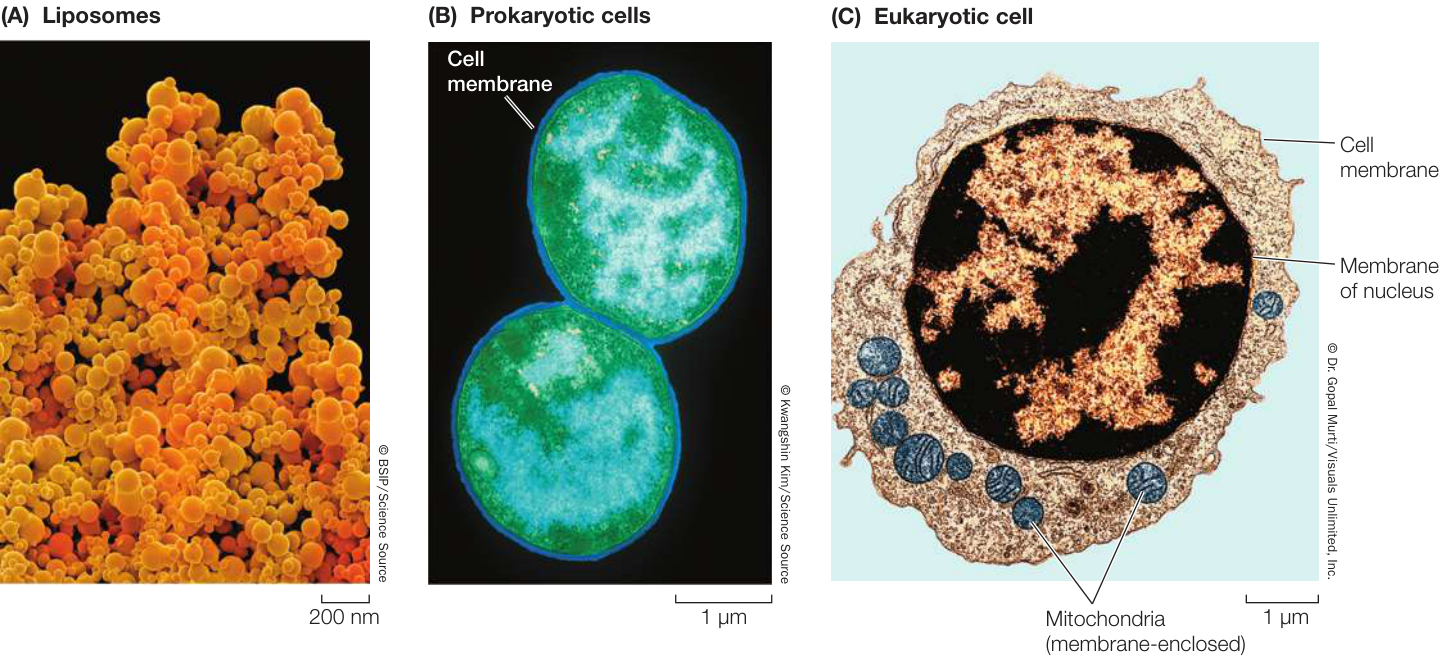
Figure 1.3 Membranes Enclose the Building Blocks of Life These photographs were taken with electron microscopes (see Figure 5.4) and enhanced with added color to highlight details. (A) Liposomes are tiny round bubbles known as vesicles and are made out of the same material as a cell membrane. Liposomes can be filled with drugs and used to deliver drugs to cells. (B) Two prokaryotic cells of an Enterococcus bacterium that lives in the human digestive system. Prokaryotes are unicellular organisms with genetic and biochemical material enclosed inside a single membrane. (C) A human white blood cell (lymphocyte) represents one of the many specialized cell types that make up a multicellular eukaryote. Multiple membranes within the cell-enclosing outer membrane segregate the different biochemical processes of eukaryotic cells.
Photosynthesis transforms the energy of sunlight into a form of chemical energy that can be used to do work such as the synthesis of large molecules. These large molecules can then be used to build cell structures or can be broken down to provide metabolic energy. Photosynthesis is the basis of most of life on Earth today because its energy-capturing processes provide food for other organisms. Early photosynthetic cells were probably similar to present-day prokaryotes called cyanobacteria (Figure 1.4). Over time, photosynthetic prokaryotes became so abundant that vast quantities of oxygen gas (), a by-product of photosynthesis, began to accumulate in the atmosphere.
Connect the Concepts The pathways that harvest chemical energy to do all the kinds of biological work necessary to support metabolism are presented in Chapter 9.
During the early history of prokaryotic life, there was very little in Earth’s atmosphere. In fact, was toxic to many of the prokaryotes living at that time, and its buildup in the atmosphere resulted in a huge mass extinction. But those organisms that could tolerate proliferated. Atmospheric opened up vast new avenues of evolution because aerobic metabolism—a biochemical process that uses to extract energy from nutrient molecules—is far more efficient than anaerobic metabolism (which does not use ). Most organisms today use aerobic metabolism.
Oxygen in the atmosphere also made it possible for life to move onto land. For most of life’s history, ultraviolet (UV) radiation falling on Earth’s surface was so intense that it destroyed any organism that was not shielded by water. The atmospheric accumulation of photosynthetically generated over a period of more than 2 billion years gradually led to the production of a layer of ozone () in the upper atmosphere. By about 500 million years ago, the ozone layer was sufficiently dense and absorbed enough of the Sun’s UV radiation to make it possible for organisms to leave the protection of the water and live on land.
Cellular differentiation and specialization underlie multicellular life
Single-celled organisms were the only forms of life for more than half of the history of life on Earth (see Figure 1.2). However, at some point the cells of some eukaryotes didn’t separate after cell division and instead remained attached to each other. Such colonial aggregations of cells made it possible for some of the associated cells to specialize in certain functions, such as reproduction, while other cells specialized in other functions, such as nutrient absorption or motility. This cellular specialization enabled multicellular eukaryotes to increase in size and become more efficient at gathering resources and adapting to specific environments.
Single-celled organisms must provide for all of their own needs, but the cells of multicellular organisms can evolve specializations to carry out certain functions exclusively and efficiently because they can depend on other cells to carry out other functions. Thus the cells of a multicellular organism can have different developmental fates. Similar cell types can develop together into tissues that accomplish tasks that a single cell cannot. For example, muscle cells develop cellular mechanisms for generating force. A single muscle cell cannot generate much force, but many cells of a muscle tissue can work together to generate considerable force, and working with structural tissues such as bones, they can produce large movements. Different tissue types develop together into organs that accomplish specific functions. The heart, brain, and stomach are each composed of several types of tissues, as are the roots, stems, and leaves of plants. Organs whose functions are interrelated can be grouped into organ systems; the esophagus, stomach, and intestines, for example, are all part of the digestive system. The hierarchy of biological organization from atoms to organisms is shown in Figure 1.5A. The biology of the two major groups of multicellular organisms, plants and animals, is discussed in detail in Parts Seven and Eight, respectively.
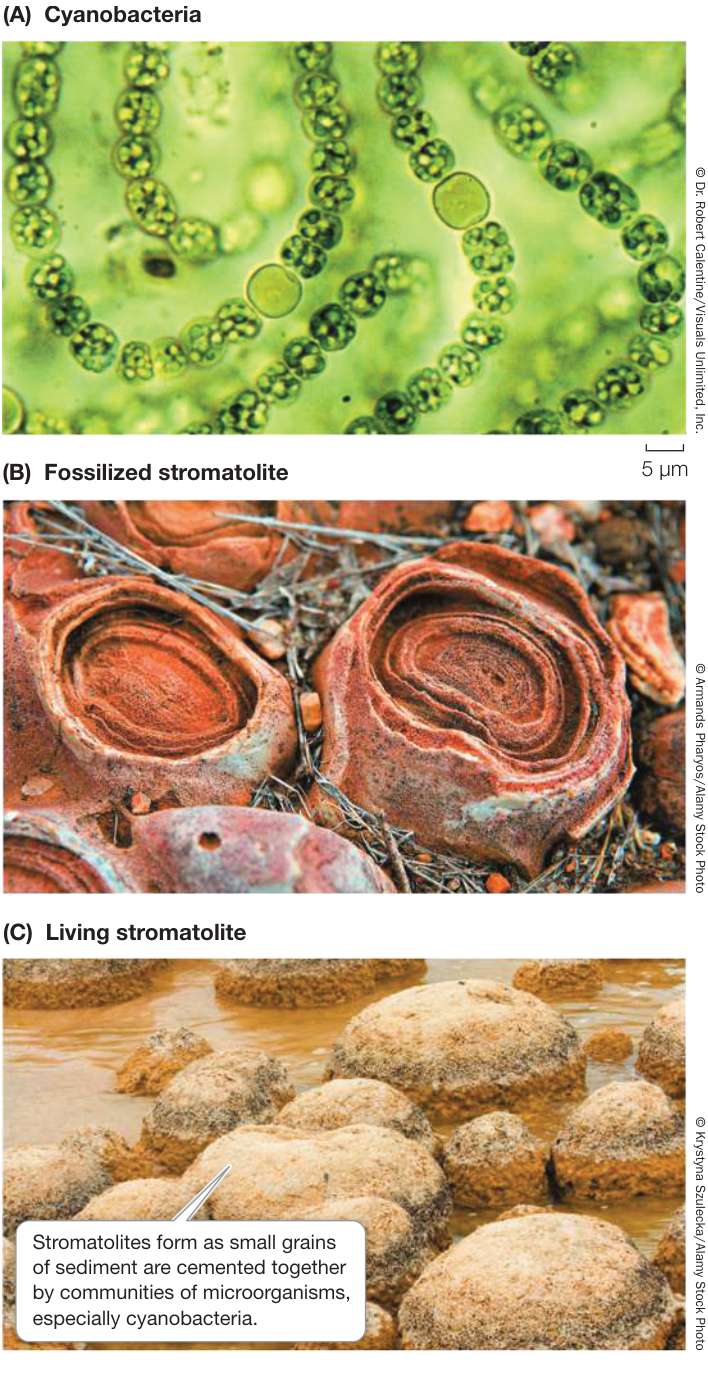
Figure 1.4 Photosynthetic Organisms Changed Earth’s Atmosphere (A) Cyanobacteria are aquatic and photosynthetic: they live in the water and can manufacture their own food. Although they are quite small, they often grow in colonies large enough to see. (B) Colonies of photosynthetic cyanobacteria and other microorganisms produced structures called stromatolites that were preserved in the ancient fossil record. (C) Living stromatolites can still be found in appropriate environments.
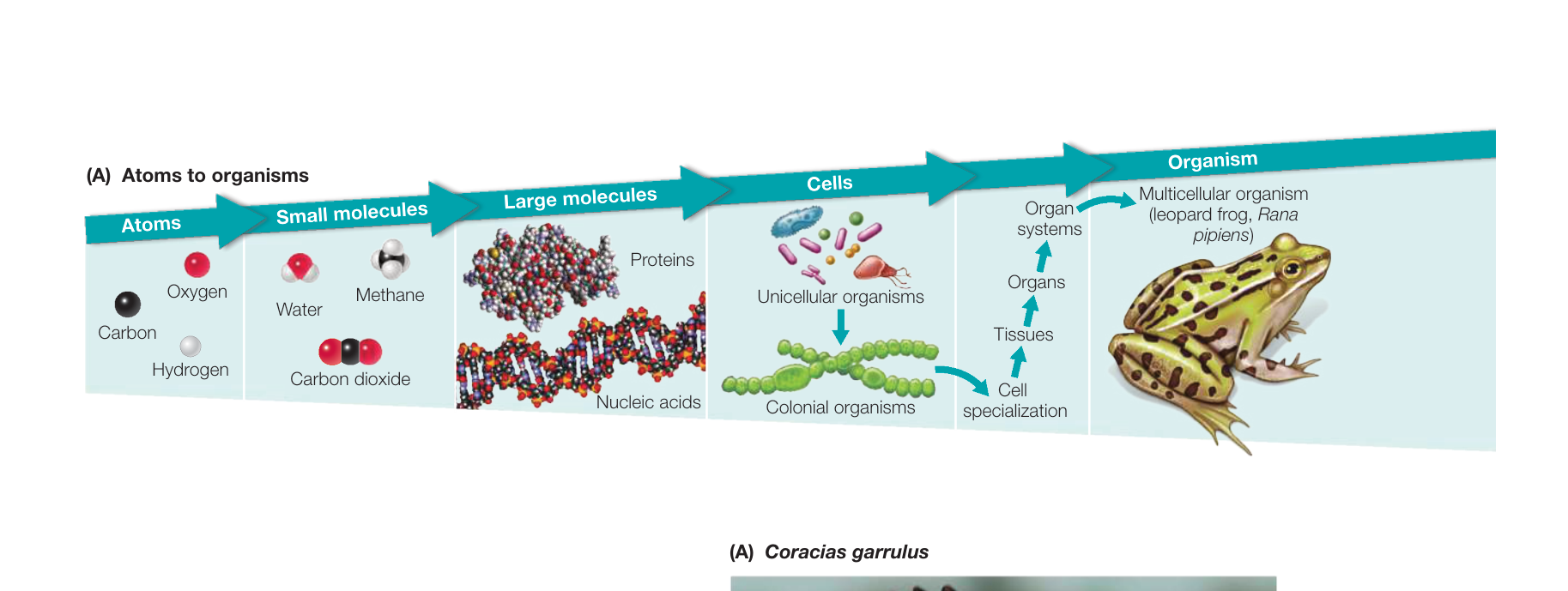
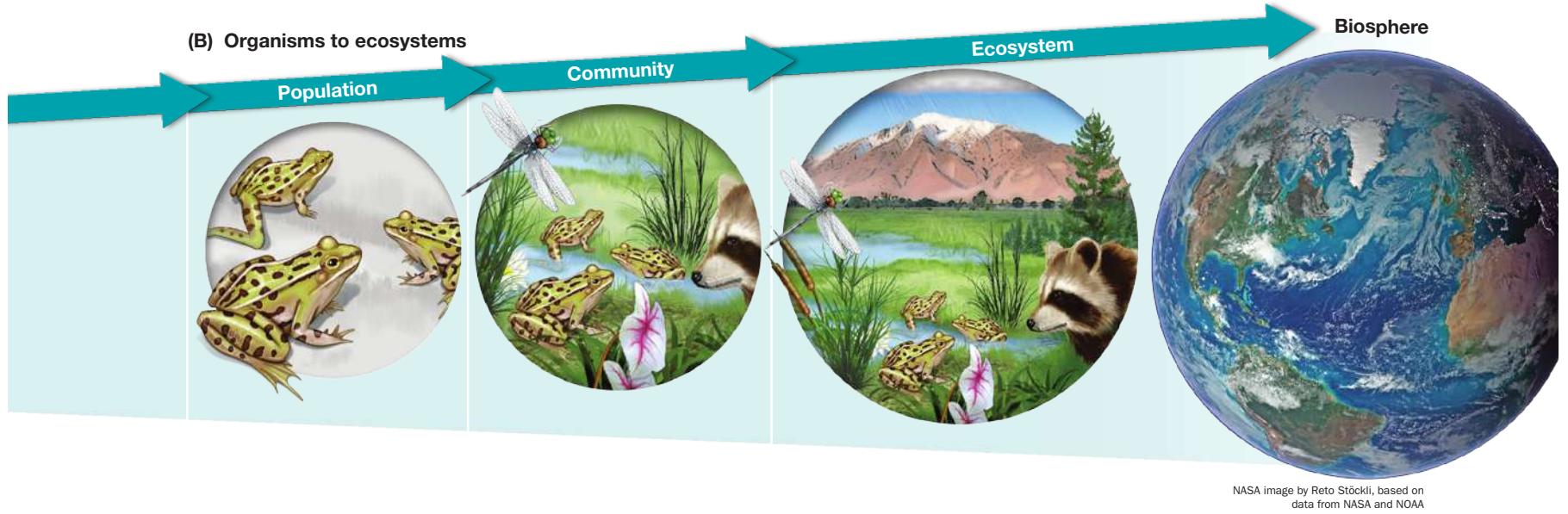
Figure 1.5 Biology Is Studied at Many Levels of Organization (A) Life’s properties emerge when DNA and other molecules are organized in cells, which form building blocks for organisms. (B) Organisms exist in populations and interact with other populations to form communities, which interact with the physical environment to make up the many ecosystems of the biosphere.
Organisms extract energy and raw materials from the environment
Living organisms acquire nutrients from the environment. Biochemical reactions break down complex nutrient molecules into smaller chemical units. Some of those smaller units are used as building blocks for structures the organism requires. The breakdown of nutrient molecules does more than supply raw materials. The breaking of the chemical bonds of nutrient molecules releases energy that the cell transfers to high-energy molecules that it uses to do work.
One kind of work cells do is mechanical—moving molecules from one cellular location to another, moving whole cells or tissues, or even moving the organism itself (Figure 1.6A). The cell also does biochemical work in the building, or synthesis, of new complex molecules and structures from smaller chemical units. For example, we are all familiar with the fact that carbohydrates eaten today may be deposited in the body as fat tomorrow (Figure 1.6B). Still another kind of work is the electrical work that is the essence of information processing in nervous systems.
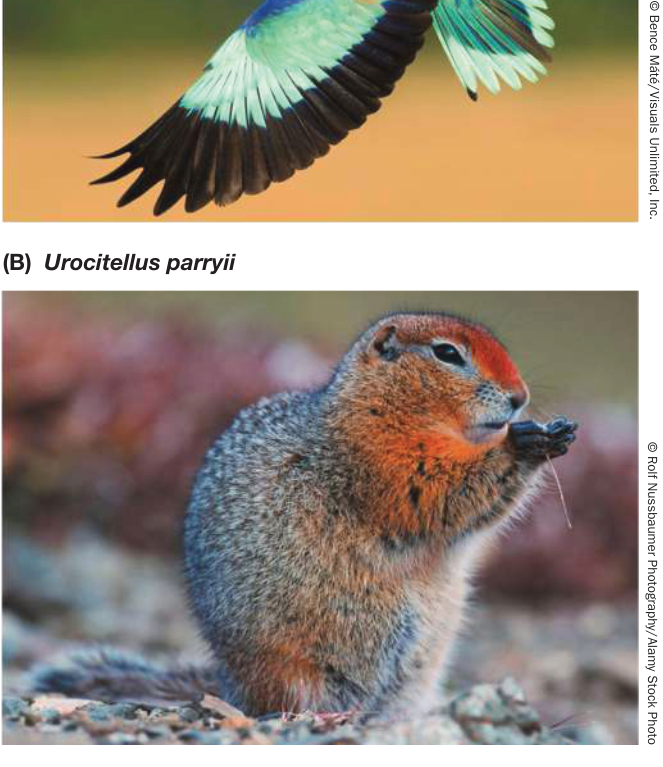
Figure 1.6 Energy Can Be Used Immediately or Stored (A) Animal cells break down food molecules and use the energy contained in the chemical bonds of those molecules to do mechanical work, such as running, flying, and jumping. This image is a European Roller flying with mammal prey in its bill. (B) The cells of this Arctic ground squirrel have broken down the complex carbohydrates in the plants it consumed and converted those molecules into fats. The fats are stored in the animal’s body to provide an energy supply for the cold months.
The many biochemical reactions that take place in cells are integrally linked in that the products of one reaction are the raw materials of the next. These complex networks of reactions must be integrated and precisely controlled; when they are not, the result is malfunction and disease.
Living organisms must regulate their internal environment
If different specialized cells, tissues, and organs provide for different needs of the multicellular organism, how are these specific services shared by the cells of the whole organism? All of the cells of the body share an internal environment that is made up of extracellular fluids. Cells derive their nutrients from these extracellular fluids, and they deposit their wastes into the extracellular fluid. This internal environment serves the needs of all cells of the body, and therefore its physical and chemical composition must be maintained within a narrow range of physiological conditions that support survival and function. The maintenance of this narrow range of conditions is known as homeostasis. A relatively stable internal environment means that cells can function efficiently even when external conditions could not support the lives of individual cells.
Homeostasis requires that the activities of the cells and systems of the body be regulated. Regulation requires information—information about internal conditions, external conditions, and what is optimal. Thus organisms must have sensory mechanisms to monitor conditions, effector mechanisms to alter those conditions, and signaling mechanisms to integrate information and enable communication between sensors and effectors. The major information systems of animals—nervous, hormonal, and immune—use chemical and electric signals to process information.
Connect the Concepts The regulation of body temperature is an important example of homeostasis that is discussed in Chapter 38.
The concept of homeostasis also applies to the intracellular environment. Both unicellular and multicellular organisms must regulate the composition of their intracellular environments within a range that allows those cells to survive and function. Individual cells regulate these properties through actions of their membranes and, in the case of eukaryotes, their organelles. Thus self-regulation to maintain a more or less constant internal environment is a general attribute of all life.
Living organisms interact
Organisms do not live in isolation. Besides the internal hierarchy of the individual organism, there is also an external hierarchy of the biological world (Figure 1.5B). The populations of all the species that live and interact in a defined area are called a community. Communities together with their abiotic, or physical, environment constitute an ecosystem.
Individuals in a population interact in many different ways. Animals eat plants and other animals and compete with other species for food and other resources. Some animals prevent other individuals of their own species from exploiting a resource, be it food, nesting sites, or mates. Animals may also cooperate with members of their own species, forming social units such as a termite colony or a flock of birds. Such interactions have resulted in the evolution of social behaviors such as communication and courtship displays.
Plants also interact with their external biotic and abiotic environment. Plants living on land depend on partnerships with fungi, bacteria, and animals. Some of these partnerships are necessary to obtain nutrients, some to produce fertile seeds, and still others to disperse seeds. Plants compete with each other for light and water and have ongoing evolutionary interactions with the animals that eat them. Through time, many adaptations such as thorns and toxins have evolved that protect plants from predation. Other adaptations such as flowers and fruits help attract the animals that assist in plant reproduction. The interactions of populations of plant and animal species in a community are major evolutionary forces that produce specialized adaptations.
The major ecosystems of Earth that cover broad geographic areas with distinguishing physical features and communities of organisms are known as biomes. Examples of biomes include Arctic tundra, coral reefs, and tropical rainforests. All of the biomes on our planet make up the biosphere. The ways in which species interact with one another and with their environment in populations, communities, and ecosystems is the subject of ecology, covered in Part Nine of this book.
Recap and Assess
All organisms are related by common descent from a single chemical origin of life. That origin involved the enclosure of complex biological molecules within an internal environment and led to the first cells with the ability to replicate themselves. Cells need energy and can extract that energy from the environment and use it to do biological work, including synthesizing complex molecules and structures. A major step in energy extraction was the evolution of photosynthesis, which changed our planet and made life on land possible. The rise of multicellularity enabled cellular specialization and the development of tissues, organs, and organ systems. Cellular specialization made it possible and necessary to have a regulated internal environment that serves the needs of all the cells of the body. Evolution has produced an enormous diversity of organisms that interact with each other, forming the many communities and ecosystems that constitute life on Earth.
- Describe two ways in which the origin of photosynthesis influenced the history of life on Earth.
- If we discovered life on another planet, how could we tell if it had a separate origin from life on Earth?
- Why was maintenance of a regulated internal environment but not extracellular environment necessary for the evolution of large multicellular animals?
- Explain the concept of homeostatic regulation.
This key concept outlined some of the major features of life—features that we will cover in depth in subsequent chapters. But first, to better understand how the enormous diversity of life evolved, we look at two of the central principles of biology: genetics and evolution.
Genetics and Evolution Are Fundamental Principles of Biology
Learning Objectives
- 1.2.1 Describe the relationships among genes, genomes, and genetics.
- 1.2.2 Explain how natural selection can produce evolutionary change.
- 1.2.3 Describe what information can be represented in a phylogenetic tree.
Before there was a science of biology, humans recognized that offspring resemble parents, and this fact was used by plant and animal breeders to produce variants with desirable qualities.
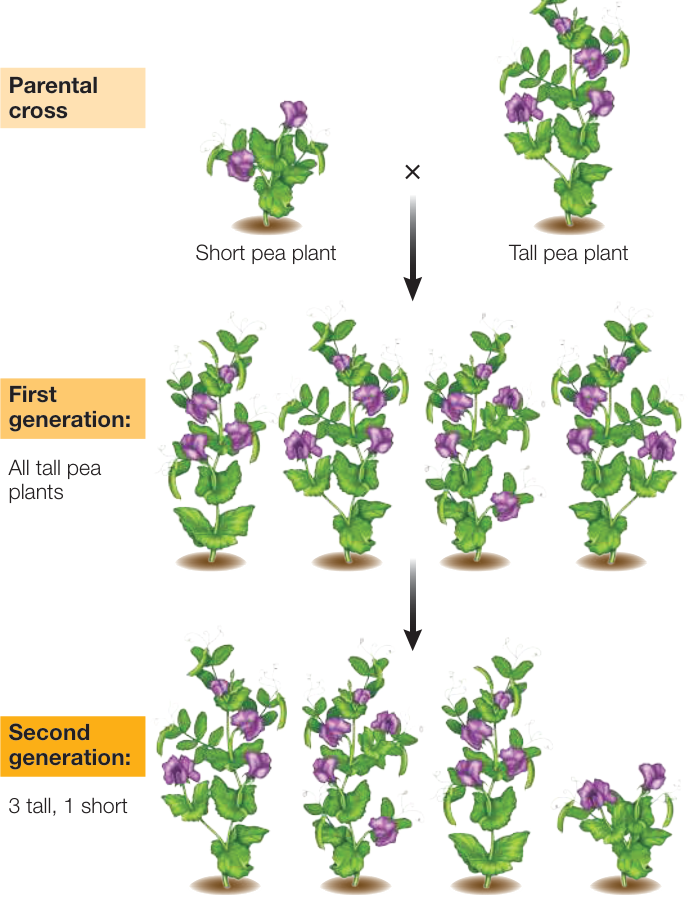
Figure 1.7 Genetics Developed as the Study of Discrete Heritable Traits Gregor Mendel discovered the basics of genetics through breeding experiments with pea plants. When he crossed tall plants with short plants, all of the offspring were tall. Then when he crossed these offspring plants, he got one short plant for every three tall plants. From these experiments Mendel concluded that there was a tall factor and a short factor. Each plant inherited one factor from each parent, and the tall factor was dominant.
However, not until the famous plant breeding experiments of the Austrian monk Gregor Mendel in the mid-1800s was it demonstrated that inherited traits existed in discrete units (Figure 1.7). These discrete units of inheritance were termed genes in the early 1900s, giving rise to the science of genetics.
The science of genetics preceded discovery of the chemical nature of genes
An enormous body of information about traits of organisms represented by single genes was created before the chemical structure of a gene was known, and hence before the nature of the information that is passed from parent to offspring was known. That mystery was solved in the mid-1900s with the discovery that the molecule deoxyribonucleic acid (DNA) is the genetic information that specifies what an organism will look like and how it will function. This “blueprint” for the existence of each individual organism is contained in the sum total of all the DNA molecules contained in each of the organism’s cells—its genome. DNA molecules are long sequences of four different subunits called nucleotides. Genes are specific segments of DNA that encode information about structure and function, including the information the cell uses to build proteins. Therefore each gene is defined by a specific sequence of the four nucleotides. The genetic code spells out how sequences of nucleotides are translated into sequences of amino acids, which are the building blocks of proteins. This translation process involves first transcribing some of the DNA information of a gene into the structure of another smaller molecule called ribonucleic acid (RNA) (Figure 1.8). RNA serves as the template for synthesis of a protein. Protein molecules govern the chemical reactions within cells and form much of an organism’s structure.
Connect the Concepts How the structure of DNA codes for and is translated into proteins is discussed in Key Concept 4.1 and in more detail in Chapters 13 and 14.
By analogy with a book, the nucleotides of DNA are like the letters of an alphabet, and protein molecules are the words. Combinations of proteins that form structures and control specific biochemical processes are the sentences and paragraphs. The structures and processes that are organized into different complex systems with specific tasks (such as digestion or movement) are the chapters of the book, and the complete book is the organism. If you were to write out your own genome using four letters to represent the four nucleotides, you would write more than 3 billion letters. Using the size type you are reading now, your genome would fill about 1,000 books the size of this one. The processes of evolution are the authors and editors of all the books in the library of life.
Even though all the cells of a multicellular organism contain essentially the same genome, different cells of the organism have different functions and form different structures—contractile proteins form in muscle cells, hemoglobin in red blood cells, digestive enzymes in gut cells, and so on. We thus surmise that different types of cells in an organism express different parts of the genome. How cells control gene expression to enable a complex organism to develop and function is a major focus of current biological research.
The genome of an organism consists of thousands of genes. This entire genome must be replicated as new cells are produced. However, the replication process is not perfect, and a few errors, known as mutations, are likely to occur when the genome is replicated. Mutations occur spontaneously and can be induced by environmental factors such as chemicals and radiation. Most mutations are either harmful or have no effect, but occasionally a mutation improves the functioning of the organism under the environmental conditions it encounters.
The discovery of the structure of DNA by James Watson, Francis Crick, and Rosalind Franklin in the middle of the twentieth century, and the subsequent elucidation of the mechanisms by which this material encodes and transmits information, transformed biology. These crucial discoveries are detailed in Part Four of this book.
Populations of all living organisms evolve
A population is a group of individuals of the same type of organism that interbreed. The processes of evolution result in changes in the genetic makeup of populations through time. Evolution is the major unifying principle of biology. Charles Darwin compiled factual evidence for evolution in his 1859 book On the Origin of Species. Darwin argued that differential survival and reproduction among individuals in a population, which he termed natural selection, could account for much of the evolution of biodiversity.
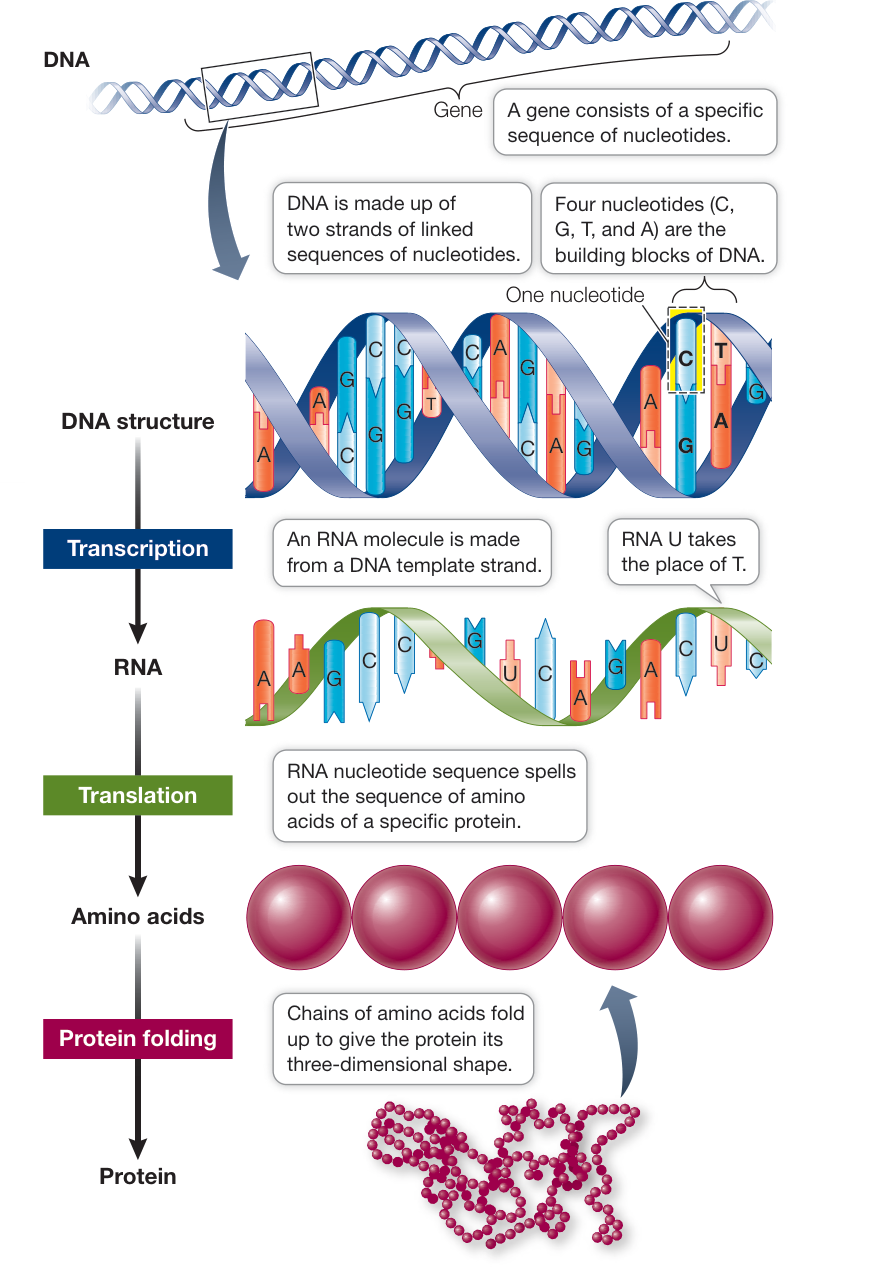
Figure 1.8 DNA Is Life’s Blueprint The instructions for life are contained in the sequences of nucleotides in DNA molecules. Specific DNA nucleotide sequences compose genes. The average length of a single human gene is 16,000 nucleotides. The information in each gene provides the cell with the information it needs to manufacture molecules of a specific protein.
Connect the Concepts The story of Darwin’s formulation of evolution by natural selection is covered in Key Concept 19.1.
Although Darwin proposed that all organisms are descended from a common ancestor and therefore are related to one another, he did not have knowledge of the mechanisms of genetic inheritance. Even so, he understood the process of selective breeding of plants and animals to obtain breeds with desired traits. Darwin himself was a pigeon breeder and knew that he could produce pigeons with different colorations, feather patterns, or tail shapes by selecting mates (see Figure 19.5). The steps in such selective breeding can be described as follows:
- Observe trait variation in a population.
- Selectively breed pairs based on a desired trait to produce that trait in their offspring.
- Repeat such crosses in subsequent generations to amplify the trait.
Darwin realized that if humans could select for specific traits in domesticated plants and animals, the same process could operate in nature; hence the term “natural selection” as opposed to artificial (human-imposed) selection. He reasoned that the reproductive capacity of plants and animals, if unchecked, would result in unlimited growth of populations, but we do not observe such growth in nature. In most species, only a small percentage of an individual’s offspring survive to reproduce. Thus any trait that confers even a small increase in the probability that its possessor will survive and reproduce increases in the population across generations.
Because organisms with certain traits survive and reproduce best under specific sets of conditions, natural selection leads to adaptations: structural, physiological, or behavioral traits that enhance an organism’s chances of survival and reproduction in its environment (Figure 1.9). The opening story of this chapter described experiments aimed at understanding adaptations that might enable corals to survive in a warmer environment. In addition to natural selection, evolutionary processes such as sexual selection (selection due to mate choice) and genetic drift (the random fluctuation of gene frequencies in a population due to chance events) contribute to biodiversity. These processes operating over evolutionary history have contributed to the remarkable diversity of life on Earth. Part Five describes how natural selection and other evolutionary processes are supported and explained by the massive body of genetic and molecular genetic knowledge mostly produced over the past 100 years.
Over most of the history of biology, the diversity of life was described and catalogued based on structural characteristics of organisms. With the rapid development of molecular genetic tools in recent years, it is now possible to obtain the DNA sequences of parts or all of the genomes of organisms. Now it is possible to compare organisms on the basis of their DNA blueprints, which has given rise to the field of genomics. For example, a structural feature that differentiates humans with African or European origins versus East Asian origins is hair. Europeans have fine hair that can be curly, as is the hair of Africans. East Asians have thick hair that is straight. This difference is due to a gene called EDAR and to a single nucleotide substitution in that gene resulting in a single amino acid change in the protein product of that gene (Figure 1.10).
The ability to sequence the billions of letters in genetic codes generates enormous amounts of data, and to manage and analyze that data, the field of bioinformatics has grown in parallel with genomics. Genomics has enormous applications throughout biology, from evolutionary studies to investigations of human health. Advances in genomics and bioinformatics make current initiatives in precision medicine possible.
Biologists trace the evolutionary tree of life
Populations geographically isolated from one another evolve differences. As populations diverge from one another, individuals from one population become less likely to reproduce successfully with individuals of the other populations. Eventually these differences between the populations become so great that they are considered to be different species. Thus species that share a fairly recent evolutionary history are generally more similar to each other than are species that share an ancestor in the more distant past. By identifying, analyzing, and quantifying similarities and differences among species, biologists can construct phylogenetic trees that portray the evolutionary histories of the different groups of organisms. As an example, we can show the evolutionary relationships among humans and our closest living relatives in a branching diagram that shows how they diverged from a common ancestor (Figure 1.11). In this tree, the living species are shown at the tips of the branches, and the branches show when these groups diverged from one another along a time scale. Our convention in this book will be to place phylogenetic trees on their sides, with the oldest lineages on the left and the most recent to the right.
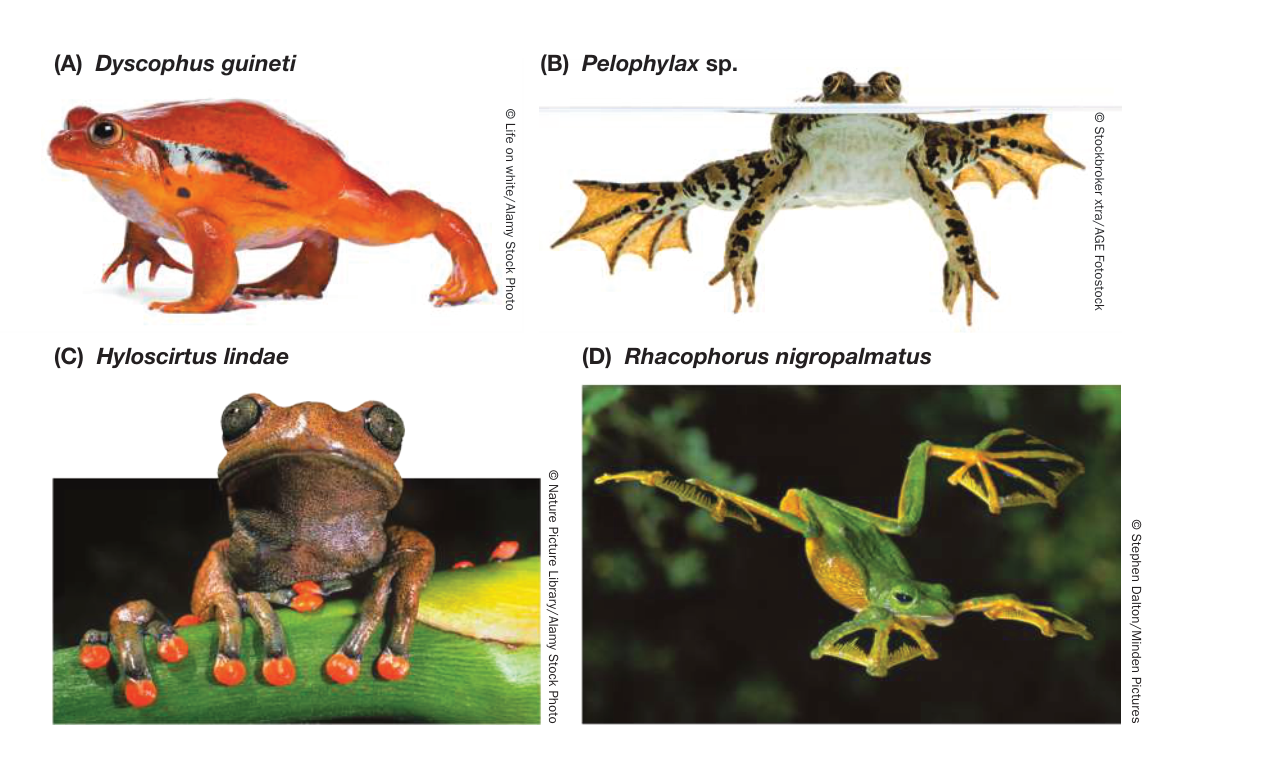
Figure 1.9 Adaptations to the Environment The limbs of frogs show adaptations to the different environments of each species. (A) This terrestrial frog walks across the ground using its short legs and peglike digits (toes). (B) Webbed rear feet are evident in this highly aquatic species of frog. (C) This arboreal species has toe pads, which are adaptations for climbing. (D) A different arboreal species has extended webbing between the toes, which increases surface area and allows the frog to glide from tree to tree. The limbs of frogs show adaptations to the different environments of each species. (A) This terrestrial frog walks across the ground using its short legs and peglike digits (toes). (B) Webbed rear feet are evident in this highly aquatic species of frog. (C) This arboreal species has toe pads, which are adaptations for climbing. (D) A different arboreal species has extended webbing between the toes, which increases surface area and allows the frog to glide from tree to tree.
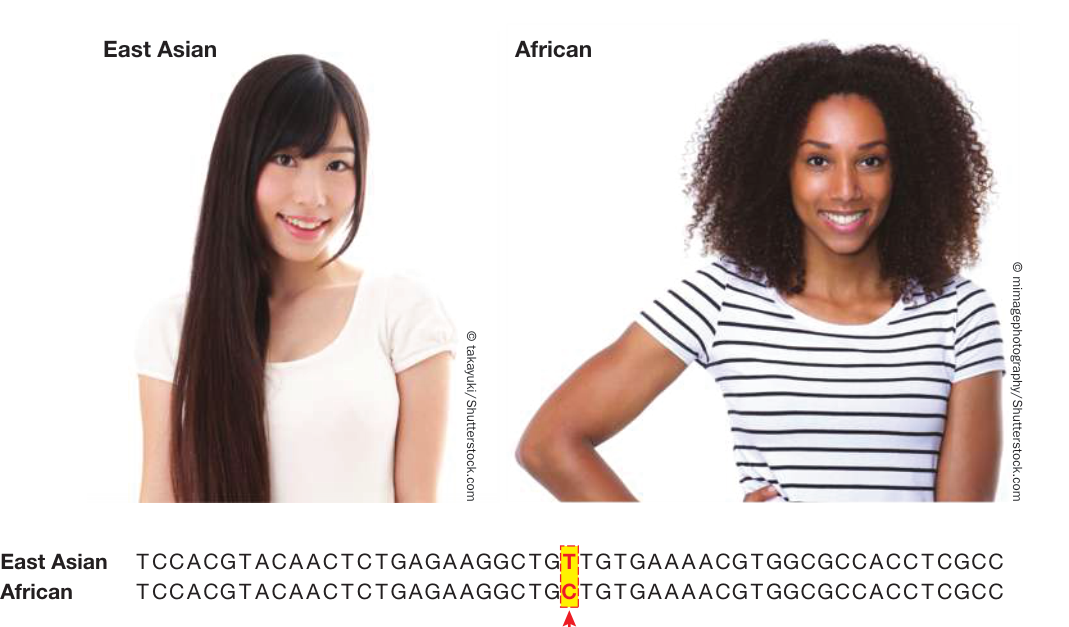
Figure 1.10 The Blueprint of Life Using technologies that reveal the sequence of nucleotides that make up the genome of an organism, we can detect small alterations that are responsible for specific traits. The EDAR gene is involved in hair development, and a single nucleotide substitution results in a single amino acid difference between the EDAR proteins of humans with East Asian origins and those with African or European origins.
Tens of millions of species exist on Earth today; many times that number lived in the past but are now extinct. Biologists give each of these species a distinctive scientific name formed from two Latinized names—a binomial. The first part of the name identifies the species’ genus (plural genera)—a group of species that share a recent common ancestor. The second part of the scientific name identifies a particular species within the genus. For example, the scientific name for modern-day humans is Homo sapiens: Homo is our genus, sapiens refers to our species. Homo is Latin for “man,” and sapiens is from the Latin word for “wise” or “rational.” The binomial for our close but extinct relatives, the Neanderthals, is Homo neanderthalensis. Note that it is conventional to write the binomial in italics with the genus capitalized but the second part not capitalized.
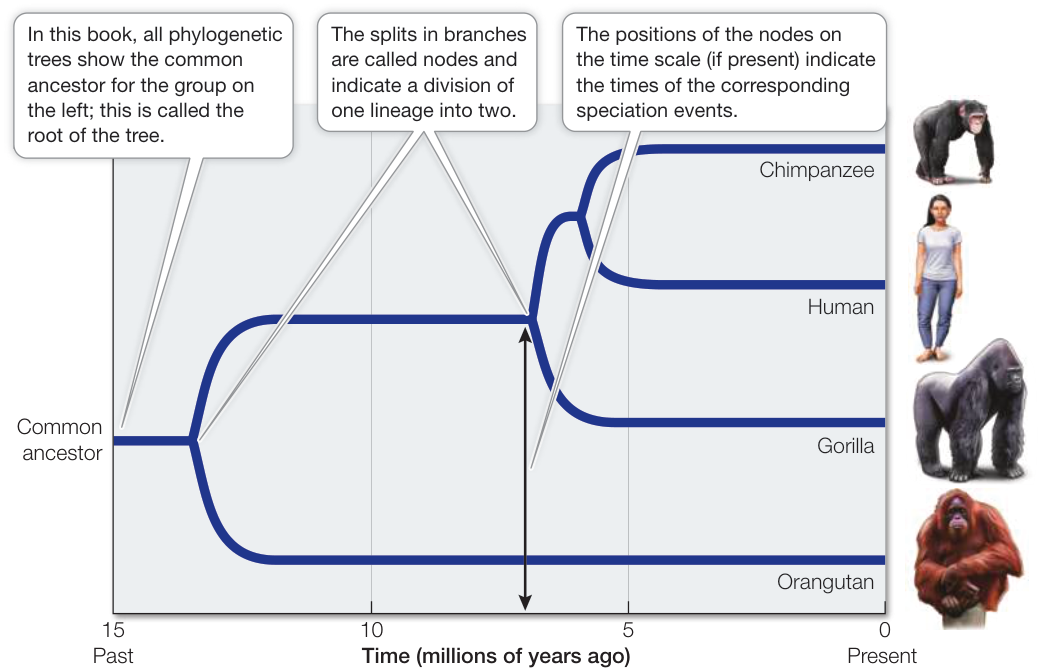
Figure 1.11 Phylogenetic Trees Depict Evolutionary Relationships Biologists use phylogenetic trees to show the evolutionary relationships of genes, populations, and species. As all of life is related through its evolutionary history, these diagrams are important for making comparisons at every level of biological investigation.
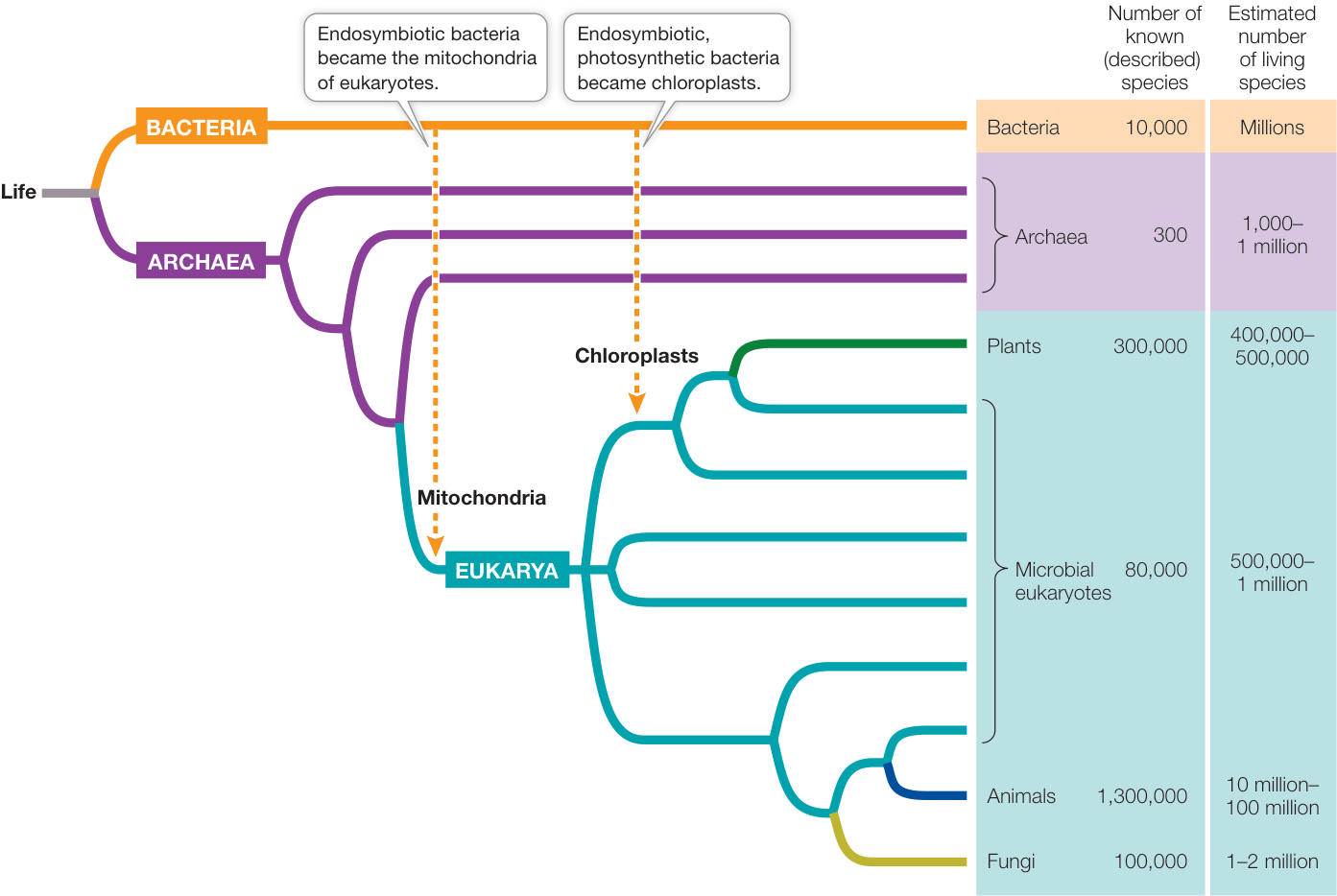
Figure 1.12 The Tree of Life The earliest division of life was between Bacteria and Archaea. Later, one lineage of archaea incorporated specializations (including a cell nucleus) that allowed the repeated evolution of multicellularity; we call this specialized group Eukarya. The aqua branches within Eukarya represent various groups of microbial eukaryotes, sometimes called “protists.” The organisms on any one branch share a common ancestor. Q: According to this phylogenetic tree, are fungi more closely related to plants or to animals?
Much of biology is based on comparisons among species. Meaningful interpretations of those comparisons require an understanding of evolutionary relationships of the respective species. Our ability to reconstruct evolutionary relationships has been greatly enhanced in recent decades by gene sequencing. Genomic sequence analysis and other molecular techniques have enabled biologists to augment evolutionary knowledge based on the fossil record with a vast array of molecular evidence. The result is the ongoing compilation of phylogenetic trees that document and diagram evolutionary relationships. The broadest categories of the tree of life are shown in Figure 1.12, and they will be surveyed in more detail in Part Six. (The tree is expanded in Appendix A, and you can also explore the tree interactively online.)
Although many details remain to be clarified, the broad outlines of the tree of life have been determined. Its branching patterns are based on a rich array of evidence from fossils, structures, metabolic processes, behavior, and molecular analyses of genomes. Recall that the primary division of life—into Archaea and Bacteria—occurred among the early single-celled prokaryotes. Members of these two groups differ so fundamentally that they are believed to have separated into distinct evolutionary lineages early in the history of life. One of the lineages of archaea incorporated a nucleus and internal, membrane-bound organelles and gave rise to the major group Eukarya. Plants, fungi, and animals are examples of familiar multicellular eukaryotes that evolved independently, from different groups of unicellular eukaryotes. We know that plants, fungi, and animals had independent origins of multicellularity because each of these three groups is most closely related to different groups of microbial eukaryotes, as can be seen from the branching pattern of Figure 1.12.
Recap and Assess
All organisms contain genetic information that encodes how they look and how they function. Genomics helps scientists establish the evolutionary relationships between organisms, which can be depicted in phylogenetic trees. Multicellularity evolved multiple times among the eukaryotes.
- What are the relationships among DNA, RNA, amino acids, and proteins?
- How does selective breeding of agricultural species by humans differ from natural selection?
- Assume a population of fish becomes isolated in a dark cave environment, with no access to light from the surface. What major change might you expect in the population over time, and why?
- What information do biologists use to construct phylogenetic trees?
This key concept described two central principles in biology, genetics and evolution—topics we will cover in detail in Parts Four and Five of this book. Throughout the book, you should be asking not just “What do we know about life?” but “How do we know it?” In all areas of biology, it is important to understand how scientists obtain information and how they use that information to broaden our understanding of life and put that understanding to practical use.
Biologists Investigate Life through Experiments That Test Hypotheses
Learning Objectives
- 1.3.1 Diagram the relationships among the steps in the scientific method and describe the roles played by inductive and deductive logic.
- 1.3.2 Differentiate between controlled and comparative experiments and describe their respective advantages and disadvantages.
- 1.3.3 Formulate a null hypothesis for a scientific question and explain its role in statistical analysis of data.
- 1.3.4 Explain why experiments on different kinds of animals may have relevance for understanding human biology.
Scientific investigations are based on observation, experimentation, data analysis, and logic. Scientists use many different tools and methods in making observations, collecting data, experimenting, analyzing data, and applying logic.
Observing and quantifying are important skills
Biologists observe the world around them. Our ability to observe has been greatly enhanced by technologies such as electron microscopes, rapid genome sequencing, magnetic resonance imaging, and global positioning satellites. These technologies allow us to observe everything from the distribution of molecules in the body to the movement of animals across continents and oceans.
Observation is a basic tool of biology, but as scientists we must be able to quantify the information, or data, we collect and observe. Whether we are testing a new drug or mapping the migrations of whales, it is essential to apply mathematical and statistical methods to the data we collect. In our opening discussion of the responses of corals to temperature, it was essential for Bay to measure temperatures accurately and to have a physical measure of bleaching so she could compare the responses of her corals to different conditions and conclude that the differences were more than just random variation.
Scientific methods combine observation, experimentation, and logic
Textbooks often describe “the scientific method,” as if there were a single, simple flow chart that all scientists follow. This is an oversimplification. Although flow charts such as the one shown in Figure 1.13 incorporate much of what scientists do, you should not conclude that scientists necessarily progress through the steps of the process in one prescribed, linear order.
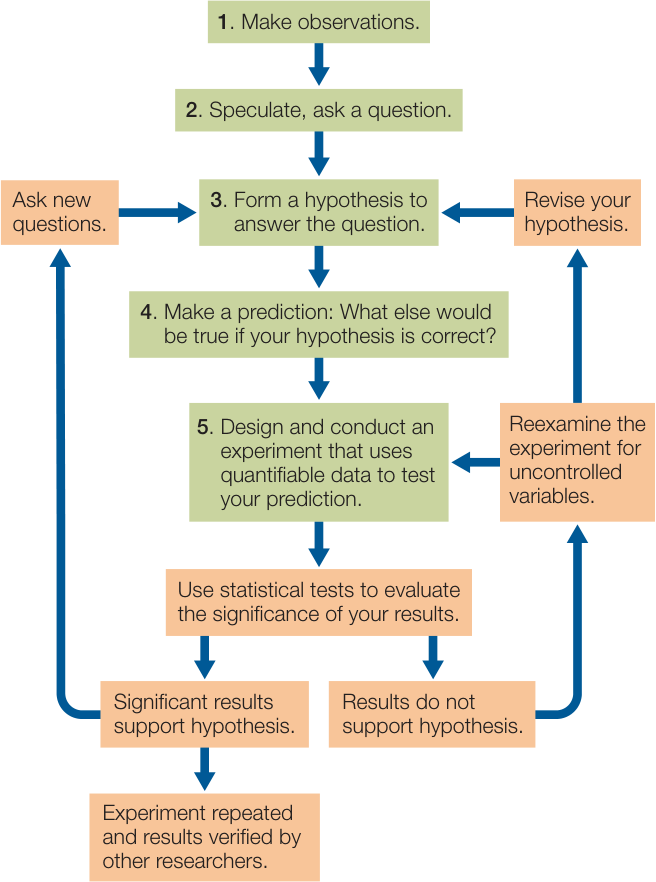
Figure 1.13 Scientific Methodology The process of observation, speculation and questioning, hypothesis formation, prediction, and experimentation is a cornerstone of modern science, although scientists may initiate their research at several different points. Answers gleaned through experimentation lead to new questions, more hypotheses, further experiments, and expanding knowledge.
Observations lead to questions. To answer those questions, scientists make additional observations, formulate possible answers, and do experiments to test those possibilities. This investigative approach traditionally has five steps: (1) making observations; (2) asking questions; (3) forming hypotheses, which are tentative answers to the questions; (4) making predictions based on the hypotheses; and (5) testing the predictions by making additional observations or conducting experiments.
After posing a question, a scientist often uses inductive logic to propose a tentative answer. Inductive logic involves taking observations or facts and formulating a new proposition that is compatible with those observations or facts. Such a tentative proposition is a hypothesis (plural hypotheses). For example, in the opener to this chapter you learned that Rachael Bay observed corals growing in pools that reached temperatures known to kill corals. She formulated two hypotheses:
- The populations of corals in the warm pools have evolved genetic differences that enable them to survive heat stress (adaptations), or
- Individual corals have the ability to adjust physiologically to different thermal conditions (acclimation).
Bay and her colleagues conducted experiments and made observations to test these hypotheses. How do scientists design experiments to test hypotheses?
The next step in the scientific method is to apply a different form of logic—deductive logic—that starts with a statement believed to be true (the hypothesis) and then goes on to predict what facts would also have to be true to be compatible with that statement. Bay’s team tested their hypotheses by measuring how corals from the warm and cool pools responded to laboratory experiments that simulated the heat-stress conditions that occurred sometimes in the warm pools. They predicted that the cool-pool corals would bleach at higher rates under the experimental conditions than the warm-pool corals would. That experiment revealed differences between the two populations, but did not reveal whether the differences were a result of long-term evolutionary changes in the populations (adaptations) or short-term acclimation of individuals to their current environments. The researchers therefore looked for genetic differences in the corals living in the warm and cool pools (adaptations). They also looked for differences in gene expression patterns when the corals were transplanted to different environments (acclimation). Did the two populations have fundamental genetic differences, or did the environments they lived in stimulate different patterns of gene expression and therefore physiological acclimation?
Good experiments have the potential to falsify hypotheses
Once predictions are made from a hypothesis, experiments can be designed to test those predictions. The most informative experiments are those that have the ability to show that the prediction is wrong. If the prediction is wrong, the hypothesis must be questioned, modified, or rejected.
There are two general types of experiments, both of which compare data from different groups or samples:
- Controlled experiments manipulate one factor of interest while holding other variables constant as a means of testing the influence of the manipulated variable.
- Comparative experiments compare data gathered from different populations that differ in multiple, unknown ways.
Bay and her colleagues conducted both types of experiments, to reveal genetic differences between the coral populations as well as their abilities to acclimate to different temperature environments.
In a controlled experiment, we predict on the basis of our hypothesis that some critical factor, or variable, has an effect on the phenomenon we are investigating. We devise some method to manipulate only that variable in an “experimental” group and compare the resulting data with data from an unmanipulated “control” group. If the predicted difference occurs, we then apply statistical tests to ascertain the probability that the manipulation caused the difference (as opposed to the difference being the result of random chance). Investigating Life: Corals in Hot Water
Investigating Life: Corals in Hot Water
Experiment
Original Paper: S. R. Palumbi et al. 2014. Mechanisms of reef coral resistance to future climate change. Science 344: 895–898.
Rachael Bay and her colleagues did a controlled experiment by bringing corals from the warm and the cool tidal pools into the laboratory and then subjecting them to cycles of heat stress that simulated the conditions that sometimes occurred in the warm tidal pools. The outcome measure was bleaching—the loss of photosynthetic symbionts (dinoflagellates) from the coral bodies.
HYPOTHESIS Heat stress results in coral bleaching, but corals from warm pools are less subject to bleaching under heat stress than are corals from cool pools.
METHOD
- Transplant corals from warm and cool pools into laboratory aquariums maintained at a safe temperature.
- Subject experimental corals to heat stress (the experimental condition) by simulating the daily temperature cycle in the warm pools.
- Measure coral bleaching (the dependent variable) as the ratio of chlorophyll (the photosynthetic pigment of the symbionts) in the corals exposed to heat stress versus in the controls in non-stressed conditions. A ratio of less than 1.0 indicates higher bleaching in the heat-stressed corals than in the controls.
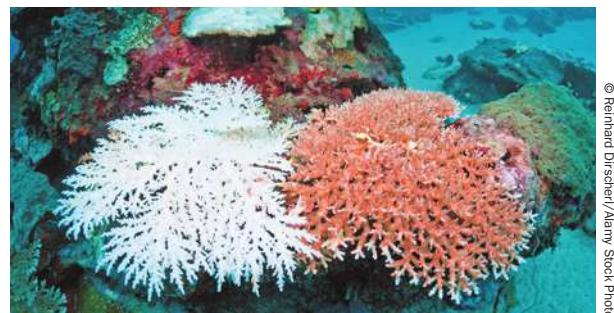
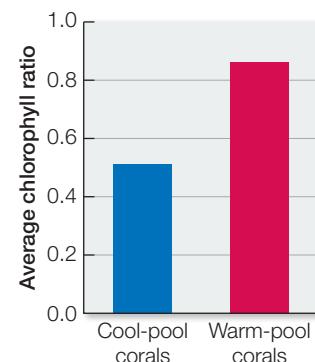
RESULTS Corals from both cool pools and warm pools exhibited higher bleaching under heat stress than controls did, but the cool-pool corals showed higher average levels of bleaching than the warm-pool corals did. (You will calculate the statistical significance of this difference in the following Work with the Data exercise.)
CONCLUSION The warm-pool corals showed lower effects of heat stress than the cool-pool corals did, although both populations showed increased bleaching under heat stress. The difference in the populations could be explained either by genetic adaptation to heat stress in the populations of warm-pool corals or by physiological acclimation of individuals exposed to warm-pool conditions, or by some combination of the two.
Work with the Data
The bar graph in the Results section of the experiment shows that both cool-pool corals and warm-pool corals showed increased levels of bleaching under heat stress, relative to controls. It also shows that the cool-pool corals showed greater relative bleaching under heat stress than did the warm-pool corals. But how do we know that these differences are greater than would be expected if the variation within and between samples represents nothing more than random variation? Here we will use some simple tests to see if the differences measured are significant (unlikely to be due to random variation).
| Average chlorophyll ratio | Cool-pool corals | Warm-pool corals |
|---|---|---|
| 0.0 | 0 | 0 |
| 0.1 | 0 | 0 |
| 0.2 | 1 | 0 |
| 0.3 | 1 | 0 |
| 0.4 | 4 | 0 |
| 0.5 | 7 | 0 |
| 0.6 | 1 | 0 |
| 0.7 | 1 | 1 |
| 0.8 | 2 | 3 |
| 0.9 | 0 | 3 |
| 1.0 | 0 | 1 |
QUESTIONS►
Prepare a bar graph based on these data. Show the chlorophyll ratios on the x axis and the number of corals that exhibited each ratio on the y axis.
First, let’s consider if there is a significant effect of heat stress in each of the two groups. At the outset we assume that there is no effect of heat stress in either group—this is called our null hypothesis (). We use statistical tests to decide if we can reject the null hypothesis and conclude that there is an effect of heat stress. If the null hypothesis is true, then we would expect that any differences in chlorophyll levels between control and experimental populations are due to random variation, and so we would expect the chlorophyll ratios to be greater than 1.0 as often as they are less than 1.0. In other words, the expected distribution of values and is like the expected distribution of heads and tails in a coin toss. Let’s first consider the cool-pool corals. There are 17 samples, and all 17 had chlorophyll ratios . The probability of this happening at random is the same as getting 17 heads in 17 flips of a fair coin (by a “fair coin” we mean the probability of heads in one flip = 0.5). Using this criterion, calculate the probability of the null hypothesis ( : no effect of heat stress on bleaching) for each of the two populations.
- Now let’s consider if there is a significant difference in the level of bleaching in the cool-pool versus the warm-pool corals. Our null hypothesis in this case is that the levels of bleaching are the same in both groups. If the null hypothesis is true, then we would expect (on average) the same distribution of chlorophyll ratios in the samples of both groups. From the Results section in the experiment, we see that the average chlorophyll ratio observed in the cool-pool samples is 0.5, and the average chlorophyll ratio observed in the warm-pool samples is 0.85. Would we expect a difference this great if the distributions of the two samples were drawn from the same underlying distribution of values? To find out, write each of the 25 observed chlorophyll ratios (from both groups) on an index card. Thoroughly mix and shuffle the cards to randomize their order, and then deal them into two groups of the same size as the cool-pool samples (17) and warm-pool samples (8). Calculate the average ratios in these randomized samples. Repeat this procedure or combine the results of your randomization test with those of other students in your class. How often do you see a difference as great as the observed difference in the two samples (0.85–0.5, or a difference of 0.35)?
- What do these results suggest about the possible response of coral populations in different environments to ocean warming?
describes a controlled experiment examining the effect of pool of origin on the response of corals to heat stress done by Rachael Bay and other members of the Palumbi laboratory. A good controlled experiment is not easy to design because biological variables are so interrelated that it is sometimes difficult to alter just one. In this experiment the controlled variable was whether the experimental corals came from the cool-pool or the warm-pool environment. They were then subjected to the same thermal stresses and their responses measured as extent of bleaching. The control groups were corals not exposed to the thermal stress protocol.
A comparative experiment starts with the prediction that there will be a difference between samples or groups based on the hypothesis. Unlike in a controlled experiment, we cannot control all the variables in a comparative experiment; often we cannot even identify all the variables involved. We are simply gathering and comparing data from different sample groups. Bay and her colleagues did a comparative experiment in addition to the controlled experiment shown in Investigating Life: Corals in Hot Water. They analyzed and compared the genetic makeup of corals taken from the warm and cool pools.
Statistical methods are essential scientific tools
Whether we do comparative or controlled experiments, we have to decide whether there is a real difference between the samples, individuals, groups, or populations in the study. How do we decide whether a measured difference is enough to support or falsify a hypothesis? In other words, how do we decide in an unbiased, objective way that the measured difference is significant?
Significance is measured with statistical methods. Random variation is almost always present in any set of measurements. Statistical tests calculate the probability that the differences observed in an experiment could be due to random variation. The results of statistical tests are therefore probabilities. A statistical test starts with a null hypothesis—the premise that observed differences are the result of random variation that arises from drawing two finite samples from the same population. When quantified observations, or data, are collected, statistical methods are applied to those data to see if there is sufficient evidence to reject the null hypothesis.
More specifically, statistical methods tell us the probability of obtaining the same results by chance even if the null hypothesis were true. We need to eliminate, insofar as possible, the chance that any differences showing up in the data are merely the result of random variation in the samples tested. Scientists generally conclude that the differences they measure are significant if statistical tests show that the probability of error (that is, the probability that a difference as large as the one observed could be obtained by mere chance) is 5% or lower. They often use more stringent criteria for rejecting the null hypothesis, however, depending on the consequences of accepting a wrong hypothesis. Appendix B of this book offers a short primer on statistical methods to which you can refer as you analyze data that will be presented throughout the text.
Discoveries in biology can be generalized
All life is related by descent from a common ancestor, shares a genetic code, and consists of similar biochemical building blocks. Therefore knowledge gained from investigations of one type of organism can, with thought and care, be generalized to other organisms. Biologists use model systems for research, knowing that they can extend their findings from such systems to other organisms. For example, our basic understanding of the chemical reactions in cells came from research on bacteria but is applicable to all cells, including those of humans. Similarly, the biochemistry of photosynthesis—the process by which all green plants use sunlight to produce biological molecules—was worked out largely from experiments on Chlorella, a unicellular green alga. Much of what we know about the genes that control plant development is the result of work on Arabidopsis thaliana, a relative of the mustard plant. Knowledge about how animals, including humans, develop has come from work on sea urchins, frogs, chickens, roundworms, mice, and fruit flies. Being able to generalize from model systems is a powerful tool in biology.
Not all forms of inquiry are scientific
Science is a unique human endeavor that has certain standards of practice. Other areas of scholarship share with science the practice of making observations and asking questions, but scientists are distinguished by what they do with their observations, how they frame their questions, and how they determine their answers. Quantifiable data, subjected to appropriate statistical analysis, are critical in evaluating hypotheses. The Investigating Life boxes and the Work with the Data exercises you will find throughout this book are intended to reinforce this way of thinking. Scientific observation, hypothesis generation, and experimental testing constitute the most powerful approach humans have devised for learning about the world and how it works.
Scientific explanations for natural processes are objective and reliable because a hypothesis must be testable and a hypothesis must have the potential of being rejected by direct observations and experiments. Scientists must clearly describe the methods they use to test hypotheses so that other scientists can repeat their results. Not all experiments are repeated, but surprising or controversial results are always subjected to independent verification. Scientists worldwide share this process of testing and rejecting hypotheses, contributing to a common body of scientific knowledge.
If you understand the methods of science, you can distinguish science from non-science. Art, music, and literature all contribute to the quality of human life, but they are not science. They do not use scientific methods to establish what is fact. Religion is not science, although religions have historically attempted to explain natural events ranging from unusual weather patterns to crop failures to human diseases. Most such phenomena that at one time were mysterious can now be explained in terms of scientific principles. Fundamental tenets of religious faith, such as the existence of a supreme deity or deities, cannot be confirmed or refuted by experimentation and are thus outside the realm of science.
The power of science derives from strict objectivity and absolute dependence on evidence based on reproducible and quantifiable observations. A religious or spiritual explanation of a natural phenomenon may be coherent and satisfying for the person holding that view, but it is not testable and therefore it is not science. To invoke a supernatural explanation (such as a “creator” or “intelligent designer” with no known bounds) is to depart from the world of science. Science does not necessarily say that religious beliefs are wrong; they are simply not part of the world of science and are untestable using scientific methods.
Science describes how the world works. It is silent on the question of how the world “ought to be.” Many scientific advances that contribute to human welfare also raise major ethical issues. Recent developments in genetics and developmental biology may enable us to select the sex of our children, to use stem cells to repair our bodies, and to modify the human genome. Although scientific knowledge may enable us to do these things, science cannot tell us whether or not we should do so, or if we choose to do them, how we should regulate them. Such issues are as crucial to human society as the science itself, and a responsible scientist does not lose sight of these questions or neglect the contributions of the humanities and social sciences in attempting to come to grips with them.
Recap and Assess
Scientific methods of inquiry start with the formulation of hypotheses based on observations and data. Comparative and controlled experiments are carried out to test hypotheses. Statistics are essential for drawing conclusions from the data obtained in experiments. Because organisms can be compared through their evolutionary relationships, the results of experiments can frequently be generalized to apply to other species. Science is built from provable facts, whereas religion is based on beliefs.
- What is the relationship between a hypothesis and an experiment?
- What is controlled in a controlled experiment?
- What features characterize questions that can and must be answered using a comparative approach rather than a controlled experiment?
- Why is it often possible to generalize the results of biological research on one species to very different species?
The vast body of scientific knowledge accumulated over centuries of human civilization allows us to understand and manipulate aspects of the natural world in ways that no other species can. These abilities present us with challenges, opportunities, and above all, responsibilities.
Understanding Biology Is Important for Health, Well-Being, and Public-Policy Decisions
Learning Objectives
- 1.4.1 Describe an example of how biology contributes to improvements in agriculture.
- 1.4.2 Explain how research in different areas of biology informs medical science.
- 1.4.3 Discuss an example of how knowledge of biology can be used to develop wise public policy.
Human beings exist in and depend on a world of living organisms. The oxygen we breathe is produced by the photosynthetic activity of countless billions of individual organisms. The food that fuels our bodies comes from the tissues of other living organisms. The fuels that power our cars, trucks, and planes are carbon molecules produced by living organisms—mostly millions of years ago. Inside and out, our bodies are covered in complex communities of living unicellular organisms. Some help us be healthy, but others can invade our bodies and cause mild to serious diseases, or even death. These interactions with other species are not limited to humans. Ecosystems depend on thousands of complex interactions among the millions of species that inhabit Earth. Understanding biological principles is essential for us to lead healthy, productive lives and to be good stewards of our planet.
Modern agriculture depends on biology
Agriculture represents some of the earliest human applications of biological principles. Beginning about 10,000 years ago, humans began to cultivate and harvest grains. It is probable that even in those early times farmers selected the most productive or otherwise favorable plants and animals to use as seed stock for propagation, and over generations farmers continued and refined these practices. By 1960 the worldwide yield of food grains reached a billion tons, but human population growth outpaced agricultural productivity and starvation was common in developing countries. Catastrophic famine was predicted for the 1970s. In response to those predictions, developed countries initiated huge efforts to produce genetically improved, higher-yielding food grain varieties. These highly successful research programs resulted in what has been called the Green Revolution, and by the year 2000 the worldwide yield of food grains, which make up about 50% of the calories in the human diet, had reached 2 billion tons. In 2018 it reached 2.4 billion tons. Increasing knowledge of plant and animal biology has transformed agriculture in many ways and has resulted in huge boosts in food production.
A new threat to agriculture and the world food supply is global climate change. Some regions are becoming wetter and others drier, and those changes affect traditional agricultures. An example is rice, which normally grows in shallow water in rice paddies (Figure 1.14). But common rice varieties cannot survive complete submergence for more than a few days, and are therefore killed by flooding caused by too much rain. In India and Bangladesh alone, annual flooding can destroy about 4 million tons of rice, enough to feed 30 million people. In recent years plant geneticists Pam Ronald, David Mackill, and their colleagues at the University of California at Davis have discovered a single gene from an ancient variety of rice that when genetically engineered into the current rice varieties makes them capable of surviving total submergence for many days. Advances such as this may help save the benefits of the Green Revolution from the new problems generated by global climate change.
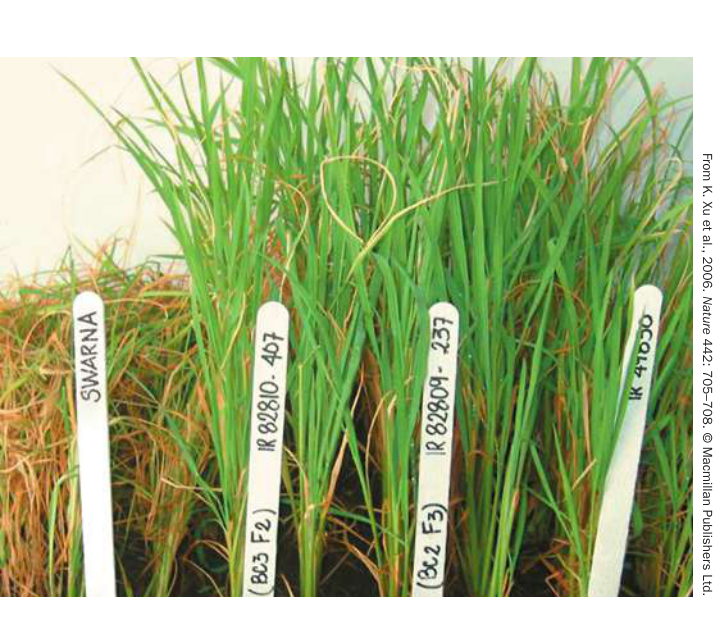
Figure 1.14 A Green Revolution Advances in agricultural plant genetics have vastly increased yields and nutritional value of crops such as the food grains that make up about 50% of calories in the human diet. New molecular genetic technologies make even greater advances possible. The strains of rice on the right have been modified to increase resistance to prolonged flooding; the rice plants on the left are unmodified, and have died from overexposure to flood conditions.
Over the past few decades, detailed knowledge of the genomes of many domestic species and the development of technology for directly recombining genes have allowed biologists to develop new breeds and strains of animals, plants, and fungi of agricultural interest. New strains of crop plants are being developed that are resistant to pests or tolerant of drought or, in the case of rice, flooding. Moreover, understanding evolutionary theory allows biologists to devise strategies for the application of pesticides that minimize the evolution of pest resistance. And better understanding of plant–fungus relationships results in better plant health and higher productivity. These are just a few of the many ways that biology continues to inform and improve agricultural practice.
Biology is the basis of medical practice
People have speculated about the causes of diseases and searched for methods to combat them since ancient times. Long before the microbial causes of many diseases were known, people recognized that infections could be passed from one person to another, and the isolation of infected persons has been practiced as long as written records have been available.
Modern biological research informs us about how living organisms work, and about why they develop the problems and infections that we call disease. In addition to knowing about diseases caused by infectious organisms, we now know that many diseases are genetic—meaning that variants of genes in our genomes cause particular problems in the way we function. Developing appropriate treatments or cures for diseases depends on understanding the origin, basis, and effects of these diseases, as well as understanding the consequences of any changes we make. For example, the recent resurgence of tuberculosis is the result of the evolution of bacteria that are resistant to antibiotics. Dealing with future tuberculosis epidemics will require understanding aspects of molecular biology, physiology, microbial ecology, and evolution—in other words, many of the general principles of modern biology.
Many of the microbial organisms that are periodically epidemic in human populations have short generation times and high mutation rates. For example, we need yearly vaccines for flu because of the high rate of evolution of influenza viruses, the causative agent of flu. Evolutionary principles help us understand how influenza viruses are changing, and can even help us predict which strains of influenza virus are likely to lead to future flu epidemics. This medical understanding—which combines an application of molecular biology, evolutionary theory, and basic principles of ecology—allows medical researchers to develop effective vaccines and other strategies for the control of major epidemics (Figure 1.15).

Figure 1.15 Medical Applications of Biology Improve Human Health Vaccination to prevent disease is a biologically based medical practice that began in the eighteenth century. Today evolutionary biology and genomics provide the basis for constant updates to vaccines that protect humans from virus-borne diseases such as flu and measles. In the developed world, vaccinations are so commonplace that some are offered on a “drive-through” basis.
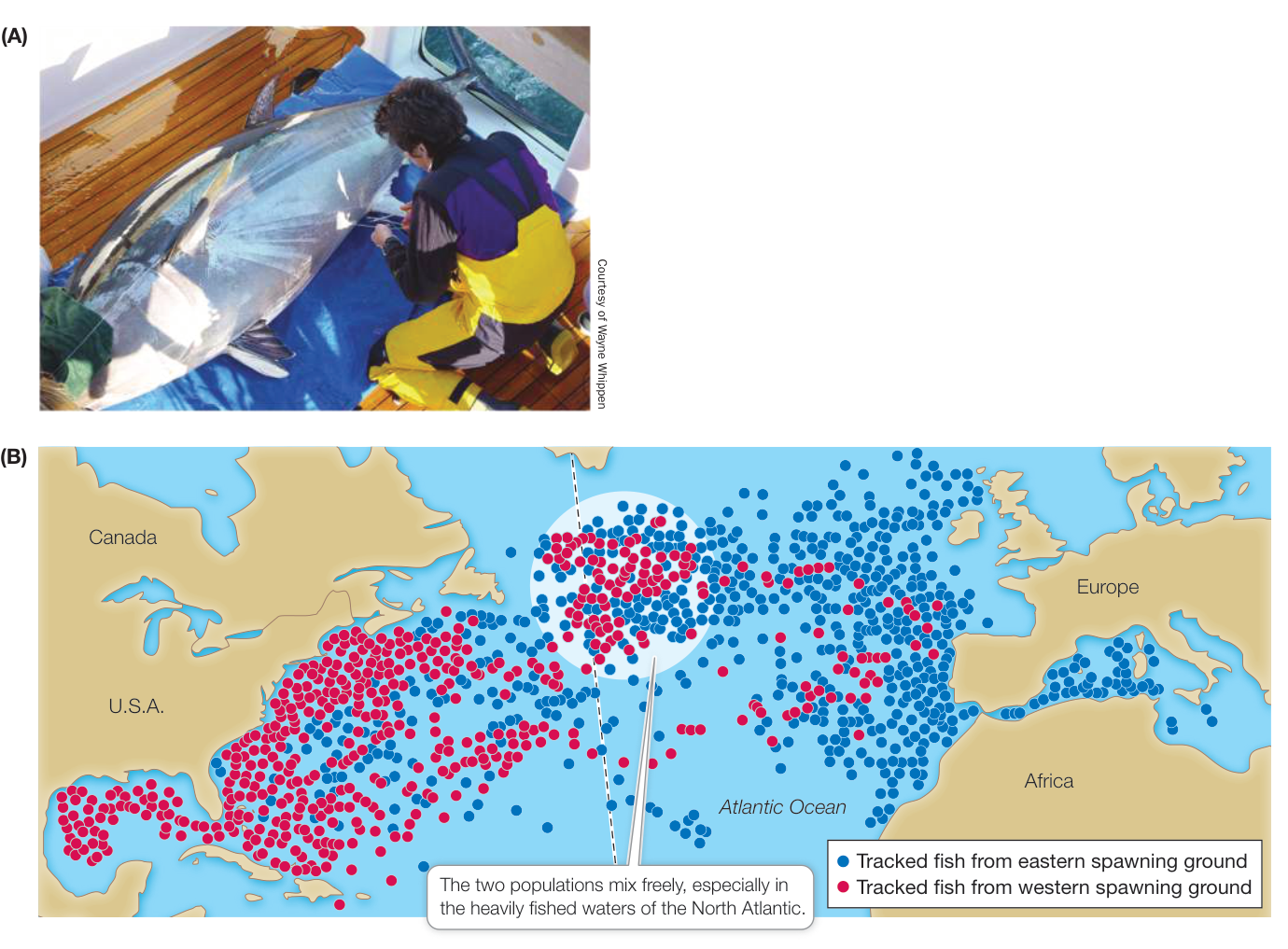
Figure 1.16 Bluefin Tunas Do Not Recognize Boundaries (A) Marine biologist Barbara Block attaches computerized data-recording tracking tags to a live bluefin tuna before returning it to the Atlantic Ocean, where its travels will be monitored. (B) Tracking data from eastern (Mediterranean) and western (Gulf of Mexico) breeding populations of bluefin tunas. At one time commercial fishing regulatory agencies assumed that bluefins from western- and eastern-breeding populations fed on their respective sides of the Atlantic. To speed recovery of the endangered western population, fishing quotas were created for each side of the mid-Atlantic Ocean (dashed line). (B after J. R. Rooker et al. 2007. Rev Fish Sci 15: 265–310; B. A. Block et al. 2005. Nature 434: 1121–1127.) Q: Based on Dr. Block’s data, does it seem likely that fishing quotas based on the mid-Atlantic boundary line would protect the western-breeding population of bluefin tunas?
Biology can inform public policy
Thanks to the deciphering of genomes and our newfound ability to manipulate them, vast new possibilities now exist for controlling human diseases and increasing agricultural productivity—but these capabilities raise ethical and policy issues. How much and in what ways should we tinker with the genes of humans and other species? Does it matter whether the genomes of our crop plants and domesticated animals are changed by traditional methods of controlled breeding or by the biotechnology of gene transfer? What rules should govern the release of genetically modified organisms into the environment? Science alone cannot provide all the answers, but wise policy decisions must be based on accurate scientific information.
Biologists are increasingly called on to advise government agencies concerning the laws, rules, and regulations by which society deals with the increasing number of challenges that have a biological basis. As an example of the value of scientific knowledge for the assessment and formulation of public policy, consider a management problem. Scientists and fishermen have long known that Atlantic bluefin tunas (Thunnus thynnus) have a western breeding ground in the Gulf of Mexico and an eastern breeding ground in the Mediterranean Sea (Figure 1.16). Overfishing led to declining numbers of bluefin tunas, especially in the western-breeding populations, to the point of these populations being endangered.
Initially it was assumed by scientists, fishermen, and policy makers alike that the eastern and western populations had geographically separate feeding grounds as well as separate breeding grounds. Acting on this assumption, an international commission drew a line down the middle of the Atlantic Ocean and established strict fishing quotas on the western side of the line, with the intent of allowing the western population to recover. Modern tracking data, however, revealed that in fact the eastern and western bluefin populations mix freely on their feeding grounds across the entire North Atlantic—a swath of ocean that includes the most heavily fished waters in the world. Tunas caught on the eastern side of the line could just as likely be from the western-breeding population as from the eastern; thus the established policy could not achieve its intended goal.
Scientific knowledge can make significant contributions to the formulation of wise public policy, but economic and political factors frequently outweigh scientific recommendations. It is particularly lamentable when solid scientific evidence is discounted or ignored because it is inconvenient. An example is the rejection by many policy makers of strong evidence for and scientific consensus on global climate change.
Biology is crucial for understanding ecosystems
Earth has been changing since its formation and continues to change. Human activity, however, is resulting in an unprecedented rate of change in the world’s ecosystems. For example, the mining and consumption of fossil fuels are releasing massive quantities of carbon dioxide into Earth’s atmosphere. This anthropogenic (human-generated) increase in atmospheric carbon dioxide is largely responsible for the rapid rate of global climate warming recorded over the last six decades (Figure 1.17).
Our use of natural resources is putting stress on the ability of Earth’s ecosystems to continue to produce the goods and services on which our society depends. Human activities are changing global climates at an unprecedented rate and are leading to the extinctions of large numbers of species (such as the reef-building corals featured in this chapter). The modern, warmer world is also experiencing the spread of new diseases and the resurgence of old ones. Biological knowledge is vital for determining the causes of these changes and for devising policies to deal with them.
Biodiversity helps us understand, enjoy, and appreciate our world
Beyond issues of policy and pragmatism lies the human “need to know.” Most people are fascinated by the richness and diversity of life and want to know more about organisms, how they function, and how they interact (Figure 1.18). For the biologist, biodiversity offers an inexhaustible source of new questions and opportunities for new investigations and experiments. New discoveries and greater knowledge generate questions no one thought to ask before. Science is a never-ending quest.
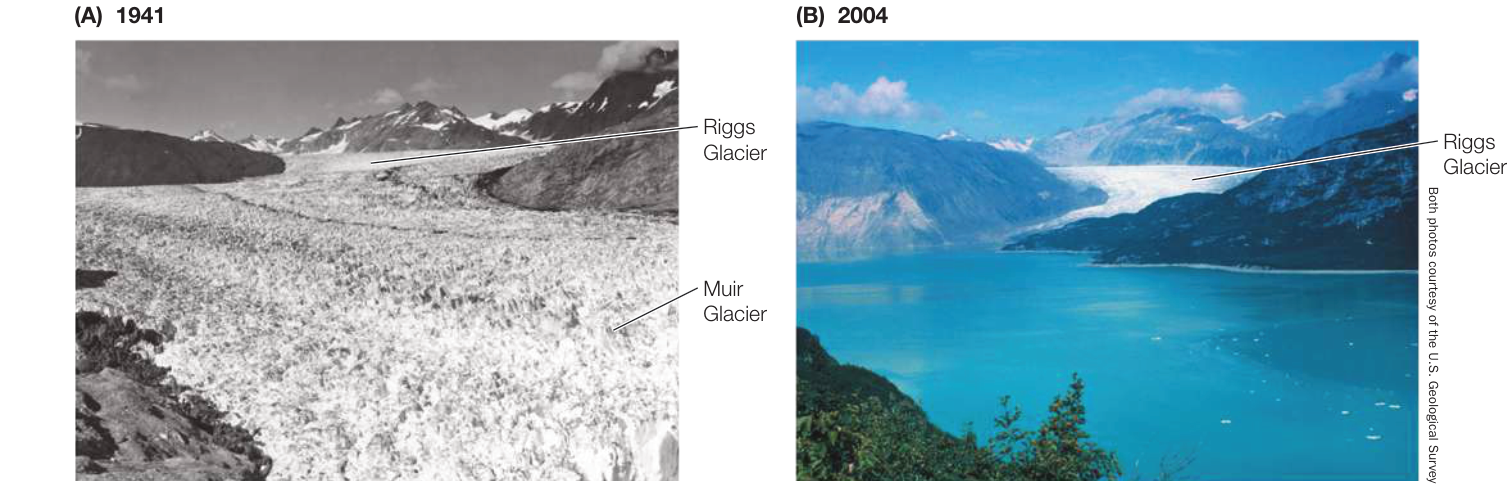
Figure 1.17 A Warmer World Earth’s climate has been steadily warming for the last 150 years. The rate of this warming trend has also steadily increased, resulting in the rapid melting of polar ice caps, glaciers, and alpine (mountaintop) snow and ice. (A, B) These photographs show the effects of 63 years of climate change on two ancient, longstanding glaciers in Alaska. Over that time, Muir Glacier retreated some 7 kilometers and can no longer be seen from the original vantage point. Understanding how biological populations respond to such change requires integration of biological principles from molecular biology to ecosystem ecology.
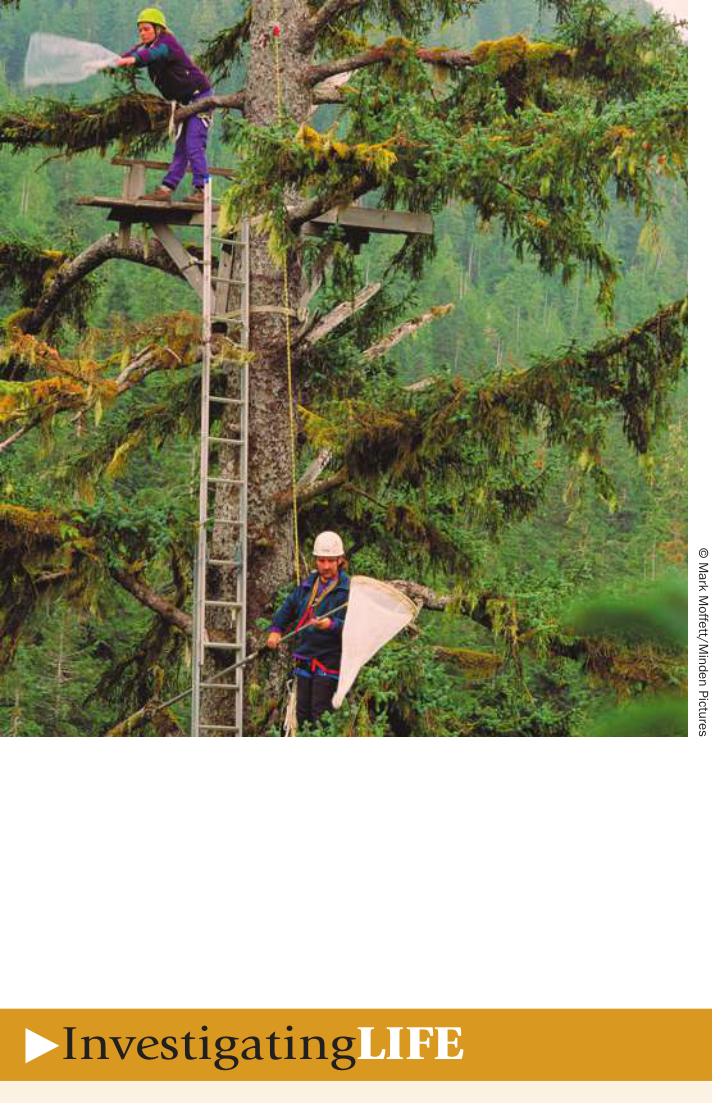
Figure 1.18 Exploring Life on Earth These biologists are collecting insects in the top boughs of a spruce tree in the Carmanah Valley of Vancouver, Canada. Biologists estimate that the number of species discovered to date is only a small percentage of the species that inhabit Earth. To fill this gap in our knowledge, biologists around the world are applying thorough sampling techniques and new genetic tools to document and understand Earth’s biodiversity.
Apart from scientific endeavors, biodiversity enriches our lives. You may be an avid birdwatcher, or enjoy gardening, or seek out particular species if you hunt or fish. Some people observe or collect butterflies, or mushrooms, or other groups of plants and animals. Displays of spring wildflowers bring out throngs of human viewers. Hiking and camping in natural areas full of diverse species are activities enjoyed by millions. Learning about biology greatly increases our enjoyment of the world around us.
Recap and Assess
Biology informs us about the structure, processes, and interactions of the living organisms that make up our world. Informed decisions about food and energy production, health, and our environment depend on biological knowledge. Biology also addresses the human need to understand the world around us, and helps us appreciate the diverse planet we call home.
- Describe an example of how modern biology is applied to agriculture.
- Discuss an example of a biological problem that is directly related to global climate change.
- Explain why excessive use of antibiotics can be a problem.
This chapter has provided a brief roadmap of the rest of the book. Thinking about the principles outlined here may help you clarify and make sense of the pages of detailed description to come.
Investigating Life
QA How might experiments on heat stress in corals be used to predict the response of corals to global warming?
How can we put studies like the one conducted by Rachael Bay and her colleagues to use? One way is to use the information to make predictions. As we’ve noted in this chapter, abundant evidence shows that Earth’s climate is warming as a result of increased levels of in our atmosphere. Can corals survive this global warming, or will they all lose their photosynthetic dinoflagellates and die? The experiments and observations done by Bay’s team suggest that higher temperatures will lead to increased coral bleaching, but that some short-term acclimation of individuals can occur. If global warming is slowed sufficiently, longer-term processes of evolution will act on the surviving corals that have genetic adaptations that increase their tolerance to warmer waters. This selection process should result in genetic changes in populations, which will allow more corals to survive. How well acclimation and adaptation can work to ensure the survival of corals depends on many factors, including the average life span of individual coral colonies, the rate of global warming, and the availability of alternative heat-resistant dinoflagellates. The basic research conducted by Bay’s team is a first, but critical, step in predicting the future response of corals to global warming.
Future directions
As we have described, the corals in Bay’s study have certain species of dinoflagellates growing within their cells. The corals provide a suitable environment for the dinoflagellates, and the dinoflagellates provide nutrients for the corals. Such a mutually beneficial relationship is called symbiosis. The bleaching response to high temperature implies dysfunction in the dinoflagellates, leading to their expulsion from the corals. Understanding thermal tolerance of the corals therefore requires greater understanding of genetic changes and acclimation of the symbiotic dinoflagellates. Other studies have shown that some corals contain multiple strains of dinoflagellates, and these strains change in abundance when the corals are grown at different temperatures, perhaps contributing to thermal tolerance. There are many species and strains of dinoflagellates, but coral species usually are associated with specific species. Future research could focus on thermal tolerance of dinoflagellates to identify genes that confer thermal tolerance. Additional research could be to find ways of transferring those genes into other species of dinoflagellates or to find ways of infecting corals endangered by rising temperatures with strains of temperature-tolerant symbionts.
Visual Summary

© National Geographic Image Collection/Alamy Stock Photo
You should be able to relate each summary to the adjacent figures. If you go to this visual summary in Achieve, you can follow links to figures, animations, activities, and simulations that will help you consolidate the material.
Living Organisms Have a Common Origin and Share Similarities
- All living organisms are related to one another through common descent.
- Cells evolved early in the history of life. Cellular specialization enabled the evolution of multicellular organisms.
- Photosynthesis provided a means of capturing energy directly from sunlight, and over time changed Earth’s atmosphere.
- Life can be studied at different levels of organization.
- Living organisms, whether unicellular or multicellular, must regulate their internal environment to maintain homeostasis, the range of physical and chemical conditions necessary for survival and function.
- Individual organisms form populations and interact with other organisms of their own and other species.

Figure 1.2 Questions
- What is the evidence that all life on Earth has a common origin?
- How did photosynthesis make life on land possible?
- What is the relationship between a population and an ecosystem?
Genetics and Evolution Are Fundamental Principles of Biology
- Genetic information consists of genes, which are sequences of deoxyribonucleic acid (DNA) that can code for proteins. All of the genetic information of an individual is its genome.
- Evolution is change in the genetic makeup of biological populations through time due to natural selection that produces adaptations.
- Phylogenetic trees show evolutionary relationships among biological lineages and help biologists make comparisons among genes, organisms, populations, and species.
Questions
- What is a mutation, and what determines whether it contributes to evolutionary change?
- What are two possible explanations for why very similar genes can be found in bacteria and plants?
- Explain the molecular genetics meaning of transcription and translation.
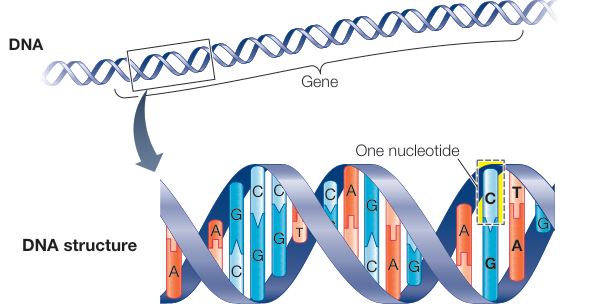
Figure 1.8
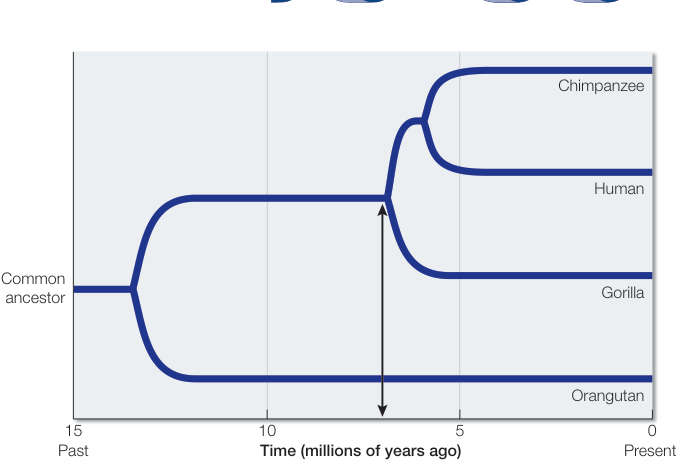
Figure 1.11
- ■ Scientific methodology combines observation, the gathering of information (data), experimentation, and the application of logic.
- ■ Hypotheses are tentative explanations of observations or answers to questions. Predictions made on the basis of a hypothesis are tested with additional observations and experiments and the use of statistical methods.
- ■ Statistical methods are applied to quantitative data to establish whether the differences observed could be the result of chance.
- What is the role of inductive logic in forming a hypothesis?
- Give an example of a controlled experiment and a comparative experiment.
- Why do biologists use statistical tests to analyze their data?
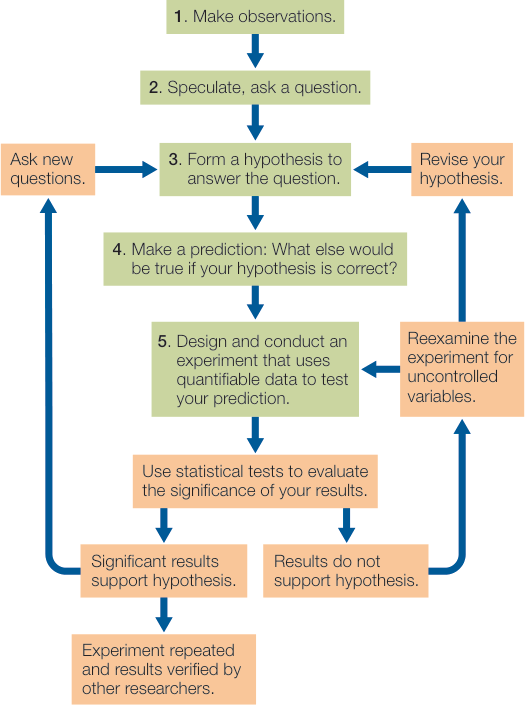
Figure 1.13
Understanding Biology Is Important for Health, Well-Being, and Public-Policy Decisions
- ■ Biological knowledge is important for advancing agriculture and medicine.
- ■ Biological knowledge is important for the formulation of effective public policy.
- ■ Biology is increasingly important for understanding how organisms interact with each other and with the environment in a rapidly changing world.
- Describe one way in which global climate change threatens agriculture.
- Why is it wise to get a flu shot each year?
- Describe an ecosystem service that can be threatened by human activities.
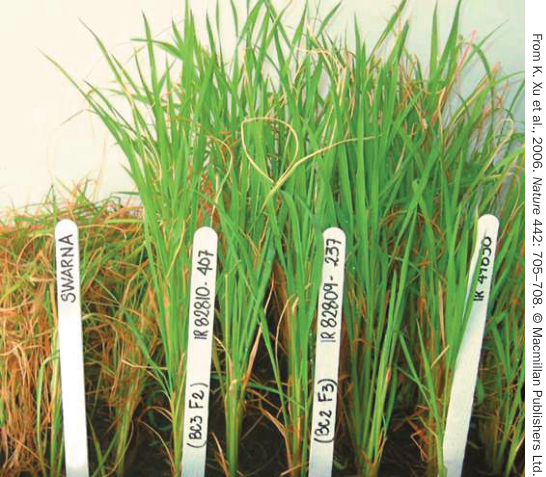
Figure 1.14