Chapter 17Genomes
Key Concepts
17.1 Genomes Can Be Sequenced Rapidly
17.2 Prokaryotic Genomes Are Compact
17.3 Eukaryotic Genomes Contain Many Types of Sequences
17.4 Human Biology Is Revealed through the Genome
17.5 Proteomics and Metabolomics Can Provide Insights beyond the Genome
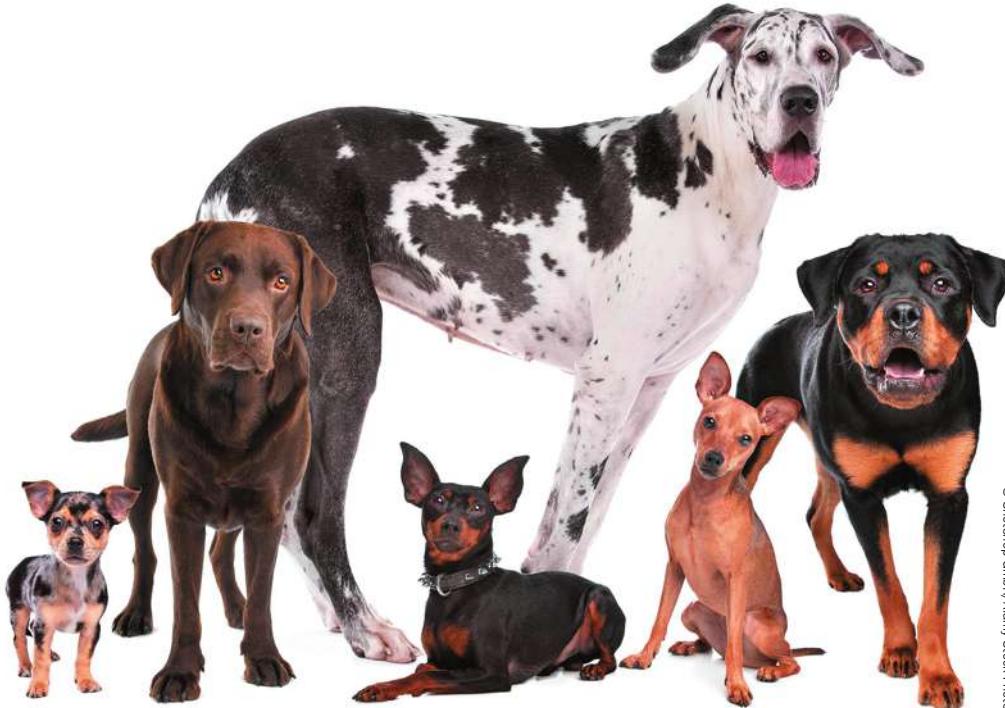
Genome sequencing has revealed insights into how size is controlled by genes.
Investigating Life: The Dog Genome Project
Canis lupus familiaris, the dog, was domesticated from gray wolves by humans thousands of years ago. Dogs and wolves are canids, a mammalian family that includes coyotes, foxes, jackals, and dingoes. Dogs show substantially more variation in size (and in several other characters) compared with other canids. The American Kennel Club recognizes about 195 different breeds, including the Chihuahua, with an adult weight of just 1.5 kilograms (3.3 pounds), and the Scottish deerhound, with an adult mass of 70 kilograms (154 pounds). In addition, there are hundreds of genetic diseases in dogs, many of which tend to be common in particular breeds and have counterparts in humans. To study the genes behind the enormous phenotypic variation, and to elucidate the relationships between genes and diseases, the Dog Genome Project was started in the late 1990s.
Two dogs—a boxer and a poodle—were the first to have their entire genomes sequenced. The dog genome contains 2.8 billion base pairs of DNA in 39 pairs of chromosomes. There are 19,000 protein-coding genes, most with close counterparts in other mammals, including humans. Given the whole genome sequence, researchers began to map genetic markers—specific nucleotides or short sequences of DNA—at particular locations on the genome that differ among individual dogs or breeds.
Genetic markers can be used to map the locations of (and thus identify) genes that control particular traits. For example, Dr. Elaine Ostrander and her colleagues at the National Institutes of Health studied Portuguese water dogs to identify genes that control size. Samples of cells for DNA isolation were obtained by sweeping a cotton swab over the inside of the cheek. It turned out that the gene for insulin-like growth factor 1 (IGF-1) is important in determining size: large breeds have an allele that codes for an active IGF-1, and small breeds have a different allele that codes for a less active IGF-1.
Inevitably, some scientists set up companies to validate the “purebred” status of dogs, or determine the mix of breeds in mongrels, using DNA supplied by owners. Not to be outdone, cat fanciers have sequenced the genomes of domestic and wild cats. Identifying genetic differences across dog breeds and comparing them with phenotypic differences across breeds has allowed certain genes to be associated with certain phenotypes. As a result, genes for size, coat colors, behaviors, certain cancers, and other genetic diseases have been identified. Many of these genes cause similar phenotypes in other mammals, including humans.
Q&A What have we learned from sequencing animal genomes? (Find the answer on page 396.)
Genomes Can Be Sequenced Rapidly
Learning Objectives
- 17.1.1 Arrange a series of overlapping DNA sequence reads to give a contiguous sequence of DNA.
- 17.1.2 Explain how RNA sequencing differs from genome sequencing.
- 17.1.3 Identify the characteristics of open reading frames.
- 17.1.4 Explain what is meant by genome annotation and why it is harder to do in eukaryotes than in prokaryotes.
- 17.1.5 Describe examples of comparative genomics.
Genome sequencing involves determining the nucleotide base sequence of the entire genome of an organism. For a prokaryotic organism with a single chromosome, the genome sequence is one continuous series of base pairs (bp). In the case of a diploid, sexually reproducing species with multiple autosomes and a pair of sex chromosomes (see Key Concept 12.4), the “sequenced genome” usually means the sequence of all the bases in one set of autosomes, in each of the two sex chromosomes, and in the mitochondrial (and other organelle) genomes.
With advances in the technology for DNA sequencing, there has been an explosion of genetic information that scientists can use in a variety of ways:
- The genomes of different species can be compared to find out how they differ at the DNA level, and this information can be used to trace evolutionary relationships.
- The sequences of individuals within a species can be compared to identify mutations that affect particular phenotypes.
- Sequence information can be used to identify genes for particular traits, such as genes associated with diseases.
The base sequence of a short DNA fragment can be determined quickly
The notion of sequencing the entire genome of a complex organism was not contemplated until 1986. The Nobel laureate Renato Dulbecco and others proposed at that time that the world scientific community be mobilized to undertake the sequencing of the entire human genome. One motive was to detect DNA damage in people who had survived the atomic bomb attacks and been exposed to radiation in Japan during World War II. But in order to detect changes in the human genome, scientists first needed to know its sequence.
The result was the publicly funded Human Genome Project, an enormous undertaking that was successfully completed in 2003. This effort was aided and complemented by privately funded groups. The genome project benefited from the development of many new methods that were first developed to sequence smaller genomes—those of prokaryotes and simple eukaryotes, the model organisms you have encountered in earlier chapters of this book. Many of these methods are still applied widely, and powerful new methods for sequencing genomes have emerged. These methods are complemented by new ways to examine phenotypic diversity in a cell’s proteins and in the metabolic products of the cell’s enzymes.
Many prokaryotes have a single chromosome, whereas eukaryotes have many. Because of their differing sizes, chromosomes are easy to separate from one another. You might think that the straightforward way to sequence a chromosome would be to start at one end and simply sequence the DNA molecule one nucleotide at a time. But sequencing a DNA molecule millions of bp long from one end to the other is just not possible using current methods. At most, only a few thousand bp can be sequenced at a time, and the least expensive methods sequence only a few hundred bp at a time. To determine a genome sequence, long chromosomes must be broken into millions of smaller DNA fragments that are sequenced individually at the same time.
In the 1970s Frederick Sanger and his colleagues invented a way to sequence DNA by using chemically modified nucleotides that were originally developed to stop cell division in cancer. This method, or a variation of it, was used to obtain the first human genome sequence as well as those of several model organisms. However, it was relatively slow, very expensive at the genome scale, and labor-intensive. The first decade of the new millennium saw the development of faster and less expensive methods, often referred to under the general term high-throughput sequencing. These methods use miniaturization techniques first developed for the electronics industry, as well as the principles of DNA replication, often in combination with the polymerase chain reaction (PCR).
Connect the Concepts PCR can be automated and is a key to sequencing small amounts of DNA. Learn about PCR in Key Concept 13.5.
High-throughput sequencing methods are rapidly improving. Just one of the many approaches is outlined here and illustrated in Figure 17.1. First the DNA is prepared for sequencing by attaching it to a solid surface and amplifying the DNA by PCR (see Figure 17.1A):
- A large molecule of DNA is cut into small fragments of a few hundred bp each. This can be done physically, using mechanical forces to shear (break up) the DNA, or by using enzymes that hydrolyze the phosphodiester bonds between nucleotides at intervals in the DNA backbone.
- The DNA is denatured by heat, breaking the hydrogen bonds that hold the two strands together. Short, synthetic oligonucleotides (adapter sequences) are attached to each end of each single-stranded DNA fragment.
- Single fragments are attached to the surface of a solid support, leaving a small amount of space between each molecule.
- Each DNA fragment is amplified by PCR using primers complementary to the adapter sequences at the ends of each DNA fragment. The multiple (approximately 1,000) copies of the DNA at a single location allow for easy detection of added nucleotides during the sequencing steps.
(A) Amplification of DNA fragments by PCR
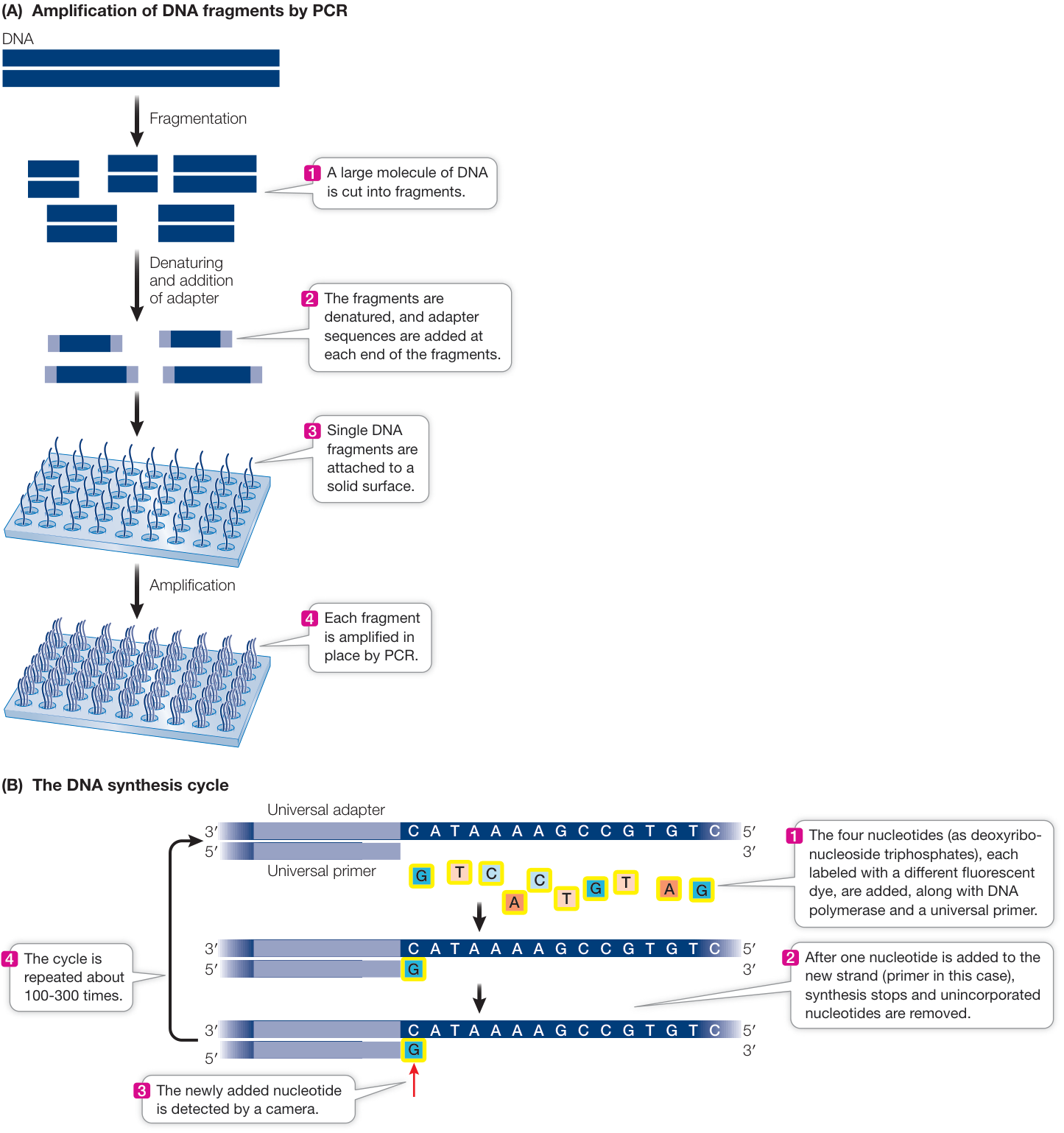
Figure 17.1 High-Throughput DNA Sequencing (A) PCR amplification of individual single-stranded DNA fragments produces clusters of template molecules, half of which are identical and half of which are complementary to the original molecule. (B) The strand complementary to only one of the two templates is sequenced one color-labeled nucleotide at a time, and a microscopic camera detects the color (and hence the identity) of the added nucleotide. Each cluster produces a sequence that is 100–300 bp long.
Once the DNA has been amplified, it is ready for sequencing. First, the fragments are heated to denature them and then a universal primer (complementary to one of the adapter sequences used for the PCR amplification step) is added. Then the DNA synthesis cycle begins (see Figure 17.1B):
- At the beginning of each cycle, a solution containing DNA polymerase and the four deoxyribonucleoside triphosphates (dNTPs: dATP, dGTP, dCTP, and dTTP) is added to the DNA. Recall that dNTPs are the substrates that the DNA polymerase uses in DNA synthesis (see Key Concept 13.3).
Each of the four kinds of dNTPs is tagged with a different colored fluorescent dye.
- The DNA synthesis reaction is set up so that only one nucleotide is added to the new DNA strand in each synthesis cycle. After each addition, the unincorporated dNTPs are removed.
- The fluorescence of the new nucleotide at each location is detected with a camera. The color of the fluorescence indicates which of the four nucleotides was added.
- The fluorescent tag is removed from the nucleotide that is already attached, and then the DNA synthesis cycle is repeated 100–300 times. Images are captured after each nucleotide is added. The series of colors at each location indicates the sequence of nucleotides in the growing DNA strand at that location.
The power of this method derives from the fact that:
- it is fully automated and miniaturized.
- millions of different fragments are sequenced at the same time.
- it is an inexpensive way to sequence large genomes. For example, at the time of this writing, a complete human genome can be sequenced in less than a day for less than $1,000. This is in stark contrast to the Human Genome Project, which took 13 years and $2.7 billion to sequence one genome!
Sequencing millions of short DNA fragments is only part of the process of constructing the genome. Once these fragments have been determined, they need to be put together in the correct order.
That is, they need to be arranged to reflect the contiguous sequence of the chromosomes from which they came. As shown in Figure 17.2, it is critical that the sequence fragments, or “reads,” overlap one another; otherwise it would not be possible to align them. Of course, the problem of ordering hundreds of millions of fragments, each 100–300 bp long, from a human genome is more challenging than the 77 bp example in Figure 17.2! The field of bioinformatics was developed to analyze DNA sequences using sophisticated mathematics and computer programs to handle the large amounts of data generated in genome sequencing.
Transcriptomics identifies expressed genes
In addition to being able to sequence the entire genome of an organism, it is also possible to sequence the transcriptome, which is the subset of the genome that is expressed as RNA in a particular cell or tissue at a particular time. In many cases it is the transcriptome that is of most interest, because expressed genes are likely to affect phenotype. As we discussed in Chapter 16, the genomes of every somatic cell in the body are identical, but the DNA sequences that are expressed differ from cell to cell and from tissue to tissue. The determination of which genes are expressed in what amounts can be made by RNA sequencing (RNA-seq).
RNA sequencing is essentially the same as DNA sequencing except for the initial steps. With RNA, it is necessary first to synthesize DNA copies of the RNAs. As you might remember from Chapter 16, some RNA viruses possess a reverse transcriptase that they use to synthesize a double-stranded DNA molecule from an RNA molecule (see Figure 16.16). Biologists use this enzyme to generate DNA from fragmented cellular RNA, then sequence the complementary DNA (cDNA) using high-throughput sequencing. When these sequences are aligned with one another by computer (see Figure 17.2), each of the resulting contiguous sequences represents a single RNA molecule. In addition, the cDNA sequences can be aligned to the genome to determine which genomic regions are expressed (Figure 17.3). Comparing transcriptomes across cell types allows researchers to determine similarities and differences in the RNAs being expressed. If a genomic DNA sequence appears in a transcriptome (as RNA), it is substantially more likely to be functional than if it is seen only in the genome and not in the transcriptome.
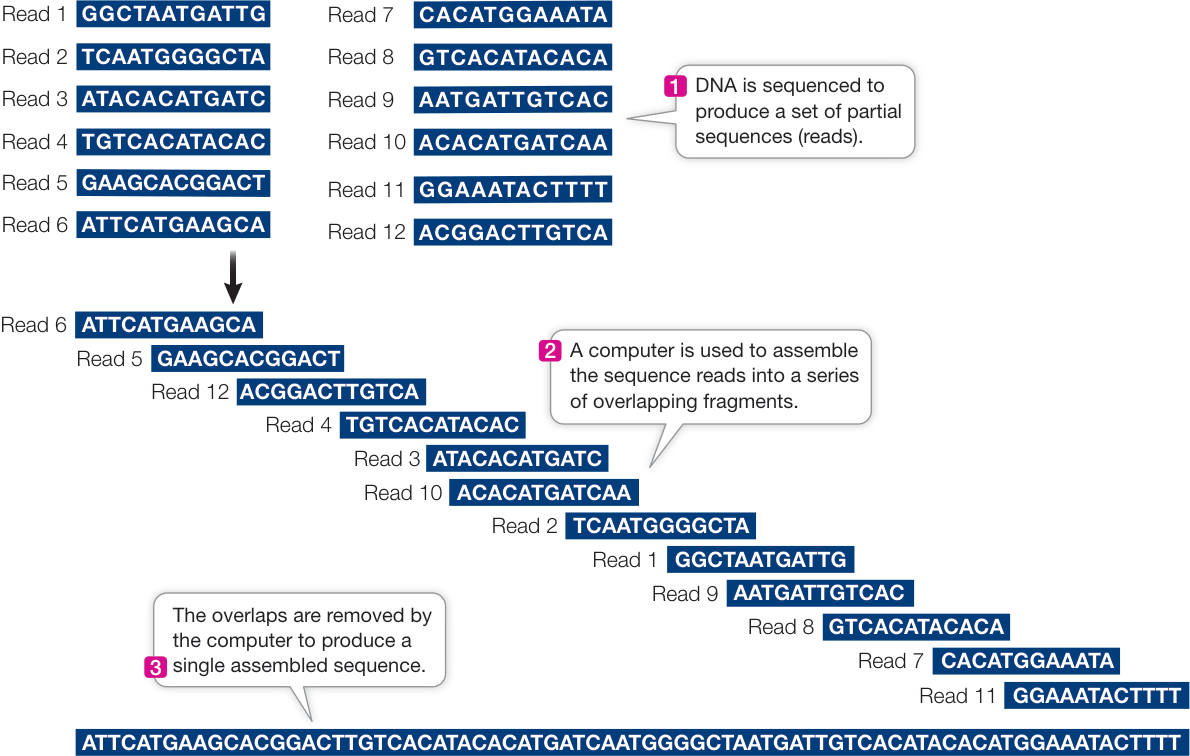
Figure 17.2 Arranging DNA Fragments A series of overlapping DNA reads is obtained from DNA sequencing. The reads are arranged in order by a computer to generate contiguous sequences. Millions of short segments are arranged in this way to generate the complete sequence of each chromosome and thus the entire genome. Q: If read 12 were not present, would it be possible to know that the sequences on reads 4 and 5 were adjacent on the chromosome?
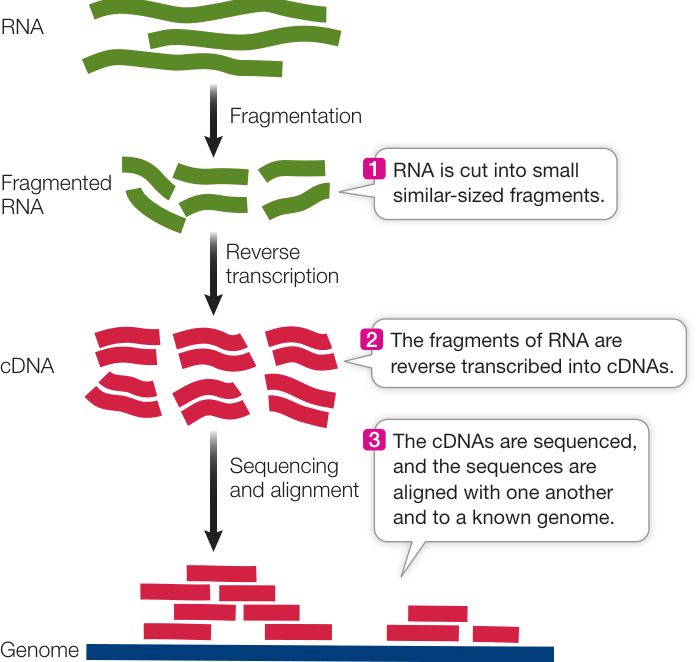
Figure 17.3 RNA Sequencing RNA is extracted from a sample, fragmented, and reverse transcribed into DNA, which is then sequenced. The sequences are aligned with one another and to a known genome if it is available. A gene with more fragments (per base) is expressed at a higher level than a gene with fewer fragments.
Genome sequences yield several kinds of information
New genome sequences are being published at an accelerating pace, creating a torrent of biological information. This information is used in two related fields of research, both focused on studying genomes. In functional genomics, biologists use sequence information to identify various parts of genomes and their functions. In particular, biologists seek to identify all of the protein-coding genes, RNA genes, regulatory sequences, and other functional sequences such as telomeres and centromeres. Identifying the various functional regions of the genome is termed genome annotation. Finding these sequences can be challenging, since most genes in most genomes have never been studied. The search for protein-coding genes leverages what is known about gene structure in prokaryotes and eukaryotes, the genetic code, and results from RNA sequencing.
To find a protein-coding gene, biologists look for open reading frames—sequences of DNA that encode a reasonably long sequence of amino acids before reaching a stop codon. Some open reading frames (essentially all in prokaryotes) represent the entire coding region for a gene, beginning with a start codon and ending with a stop codon. However, because of the widespread occurrence of introns, many open reading frames in eukaryotes represent only part of a protein coding region (an exon).
Once a protein-coding gene has been identified, the next step is to determine its function. Predicting the function of an encoded protein can be done using computational methods. Computer algorithms can scan the protein sequence and find motifs—regions of amino acids—that can be predicted to fold in certain ways or have enzyme activity. If a similar nucleotide or protein sequence has been discovered previously in another organism, it probably has a similar or identical function in the newly sequenced organism. For example, one might correctly guess that the RNA polymerase genes in humans and mice encode proteins with similar sequences and functions. An experimental approach to determine a gene’s function is to insert it along with a promoter into a recipient cell or organism and look for a new phenotype. Conversely, knocking out the unidentified gene by mutation or deletion and looking for phenotypic changes may indicate the gene’s normal function (see Chapter 18).
Regulatory sequences for genes, such as promoters and terminators for transcription, can be identified by characteristic consensus sequences (see Key Concept 14.4) in the vicinity of protein-coding regions. These regulatory regions are easier to find in prokaryotes because they occur in a more predictable location than in eukaryotes. Finding enhancers and silencers (see Key Concept 16.2) is especially difficult in eukaryotes because they may not be adjacent to the coding region of the gene.
In addition to functional genes, several other types of DNA sequences can be identified. These include centromere sequences (see Key Concept 11.3), telomere sequences (see Key Concept 13.3), transposons (see Key Concept 17.2), and other repetitive sequences.
Once genomes from different organisms were available, it allowed for development of the field of comparative genomics, which compares genomes both within and across species. Comparative genomics addresses several kinds of questions, including what genes are present in all species, how rapidly nucleotide and amino acid sequences change for different regions of the genome, how and how often new genes arise or old genes are lost from genomes, how gene order changes because of chromosomal rearrangements or other processes, and how species are related to one another. Investigating Life: Comparative Analysis of the Tiger Genome describes the recent sequencing of the tiger genome and how it relates to the genomes of other cats and other mammals.
Connect the Concepts The application of DNA sequencing to reconstructing phylogenies (evolutionary histories of organisms or their genes) is described in Chapter 20.
▶ Investigating LIFE Comparative Analysis of the Tiger Genome
Experiment
Original Paper: Y. S. Cho et al. 2013. The tiger genome and comparative analysis with lion and snow leopard genomes. Nat Commun 4: 1–7.
Panthera tigris, the tiger, is possibly the most famous endangered species. Fewer than 4,000 individuals remain in the wild. While a century ago there were nine recognized genetically distinct subspecies, four have become extinct. The five extant subspecies include the Bengal tiger seen at zoos and the white Amur tiger that lives in snowy regions of Russia, China, and North Korea. While the genomes of other cats, such as the lion, snow leopard, and domestic cat, had already been sequenced, that of the tiger had not until this study.
HYPOTHESIS Sequencing the genomes of big cats will reveal that the adaptive phenotypic variation seen among cats is due to genetic variation.
METHOD
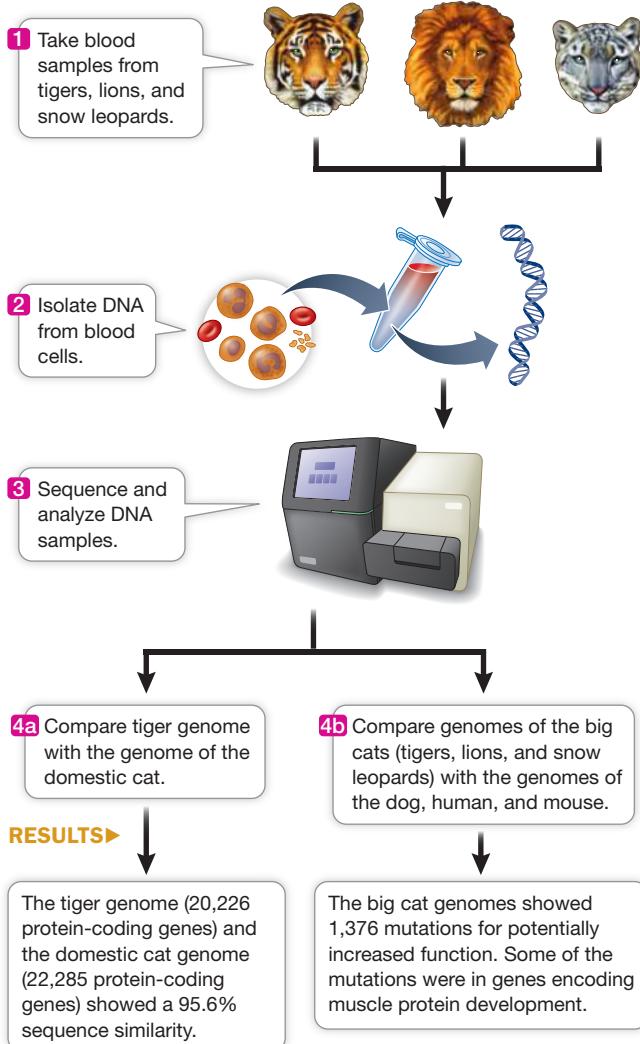
CONCLUSION What would you conclude about the phenotype of big cats? Explore the possibilities in the following Work with the Data.
Work with the Data
An international team led by Jong Bhak at the Genome Research Foundation in Suwon, South Korea, determined the sequence of tiger DNA and compared it with lion and snow leopard DNA, as well as that of the domestic cat.
QUESTIONS
- The overall sequence of tiger DNA was compared with that of the domestic cat. For reference, a comparison between the human and gorilla genomes was included. The time since the last common ancestor was also estimated. The results are shown in the table. What can you conclude about the rate of evolutionary change between the two cat genomes and between the human and gorilla genomes?
| Comparison groups | Last common ancestor (millions of years ago) | Genome sequence similarity (%) |
|---|---|---|
| Domestic cat and tiger | 10.8 | 95.6 |
| Human and gorilla | 8.8 | 94.8 |
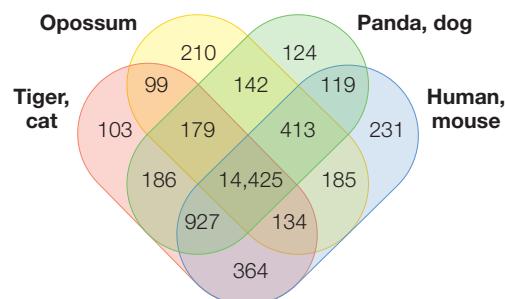
- While there are 20,226 protein-coding genes in the tiger genome,
some of them are in gene families. That is, some genes are highly
similar to one another and have the same function, and arose recently by
gene duplication. Ignoring duplicates, there are 14,528 protein-coding
genes in the tiger genome. The research team was interested in comparing
the genomes of cats with those of other mammals. So they asked whether
the gene families identified in the tiger and domestic cat genomes are
also present in other mammals. Tigers and cats together have 16,417
protein-coding genes. The Venn diagram shows these and the 15,787
protein-coding genes in the opossum, the 16,515 in pandas and dogs, and
the 16,798 in humans and mice. The number in an overlapping region
represents the number of protein-coding genes shared with the
overlapping genome(s). For example, the tiger and domestic cat genomes
share 99 unique protein-coding genes with the opossum genome that are
not found in the panda, dog, human, or mouse genomes.
- Looking at the Venn diagram, how many protein-coding genes are common to all of the mammalian genomes examined?
- How many protein-coding genes are found only in the tiger and domestic cat genomes? How many are found only in the human and mouse genomes?
- What do these data indicate about the basic mammalian genome?
Recap and Assess
The sequencing of genomes involves randomly cutting chromosomes into short, overlapping fragments, sequencing 100–300 bp of each fragment, and then assembling the resulting overlapping reads into contiguous sequences for entire chromosomes. Current sequencing methods use miniaturization, automation, and powerful computers. Genome sequences are used in functional and comparative genomics.
- When sequencing genomes, why are overlapping reads needed, and how are they arranged to produce the final sequence?
- How are open reading frames recognized in a genome sequence? How can RNA sequencing data help identify open reading frames? What kind of information can be derived from an open reading frame?
- What is comparative genomics? Give an example of how it is used.
The first genomes to be fully sequenced were those of viruses and prokaryotes. Next we discuss the information provided by the relatively simple prokaryotic genomes.
Prokaryotic Genomes Are Compact
Learning Objectives
- 17.2.1 Describe the characteristics of prokaryotic genomes.
- 17.2.2 Propose how one might determine the identity and abundance of microbes in a particular environment, such as the human gut.
- 17.2.3 Define a transposable element and describe how copy and paste transposition differs from cut and paste transposition.
In 1968 Robert W. Holley was awarded the Nobel Prize for the first sequencing of a nucleic acid—a tRNA with just 80 bases. It took Holley and his team 5 years to discover the sequence. A few years later the first genome was sequenced, that of a 5,386-bp bacteriophage. As methods gradually improved, the genome of a prokaryote was sequenced in the 1990s. With the new automated sequencing techniques we just described, we now have genome sequences for many prokaryotes, to the great benefit of microbiology and medicine.
Prokaryotic genomes have distinctive features
Bacterial and archaeal genomes have several notable features:
They are relatively small. Prokaryotic genomes range from about 160,000 to 12 million bp and are usually organized into a single chromosome.
They are compact. Typically, more than 85% of the DNA is in protein-coding sequences or RNA genes, with only short sequences between genes.
Prokaryotic gene sequences usually are not interrupted by introns. An exception is the rRNA and tRNA genes of archaea, which frequently contain introns.
In addition to having a main chromosome, prokaryotes often have smaller, circular molecules of DNA called plasmids, which may be transferred between cells (see Key Concept 12.6).
Beyond these similarities, there is great diversity among these single-celled organisms, reflecting the huge variety of environments in which they are found (described in Chapter 24). Let’s examine prokaryotic genomes in terms of functional and comparative genomics.
FUNCTIONAL GENOMICS As we described in Key Concept 17.1, functional genomics is the biological discipline that assigns functions to the products of gene sequences. You can see the various functions encoded by the protein-coding genes of three bacteria in Table 17.1. As an example, look at the first bacterial genome sequenced, that of Haemophilus influenzae, which lives in the human respiratory tract and can cause ear infections or, more seriously, meningitis in children. Its single, circular chromosome has 1,830,138 bp. In addition to its origin of replication and the genes coding for rRNAs and tRNAs, this bacterial chromosome has 1,656 protein-coding genes.
When the H. influenzae sequence was first announced 20 years ago, only 1,007 of the open reading frames coded for proteins with known functions. Since then, scientists have identified the functions of the rest of the encoded proteins. All of the major biochemical pathways and molecular functions are represented. For example, the genes that encode enzymes involved in glycolysis, fermentation, and electron transport have been identified. Gene sequences that code for membrane proteins have been identified as well, including those involved in active transport. An important
Table 17.1 Functions of Protein-Coding Genes in Three Bacteria
| Category | Number of genes in: | ||
|---|---|---|---|
| E. coli | H. influenzae | M. genitalium | |
| Total protein-coding genes | 4,140 | 1,656 | 483 |
| Biosynthesis of amino acids | 131 | 68 | 1 |
| Biosynthesis of cofactors | 103 | 54 | 5 |
| Biosynthesis of nucleotides | 58 | 53 | 19 |
| Cell envelope proteins | 237 | 84 | 17 |
| Energy metabolism | 243 | 112 | 31 |
| Intermediary metabolism | 188 | 30 | 6 |
| Lipid metabolism | 48 | 25 | 6 |
| DNA replication, recombination, and repair | 115 | 87 | 32 |
| Protein folding | 9 | 6 | 7 |
| Regulatory proteins | 178 | 64 | 7 |
| Transcription | 55 | 27 | 12 |
| Translation | 182 | 141 | 101 |
| Uptake of molecules from the environment | 427 | 123 | 34 |
| Other functions (including unknown) | 2,166 | 782 | 205 |
Source: Data from R. D. Fleischmann et al. 1995. Science 269: 496–512; C. M. Fraser et al. 1995. Science 270: 397–404; F. R. Blattner et al. 1997. Science 227: 1453–1462.
finding was that highly infective strains of H. influenzae—but not noninfective strains—have genes for surface proteins that attach the bacterium to the human respiratory tract. These surface proteins are now a focus of research on possible treatments for H. influenzae infections.
COMPARATIVE GENOMICS Soon after the sequence of H. influenzae was announced, smaller (Mycoplasma genitalium: 580,073 bp) and larger (E. coli: 4,639,221 bp) bacterial sequences were completed. Thus began the era of comparative genomics. Scientists can identify genes that are present in one bacterium and missing in another, allowing them to relate these genes to bacterial function.
M. genitalium, for example, lacks enzymes needed to synthesize amino acids, whereas E. coli and H. influenzae both possess such enzymes. This finding reveals that M. genitalium must obtain all its amino acids from its environment (usually the human urogenital tract). Furthermore, E. coli has 55 genes that encode transcriptional activators, whereas M. genitalium has only 12. This relative lack of control over gene expression suggests that the biochemical flexibility of M. genitalium must be limited compared with that of E. coli.
The sequencing of prokaryotic and viral genomes has many potential benefits
Prokaryotic genome sequencing is providing insights into microorganisms that are important for agriculture and medicine. Scientists who analyze the sequences have discovered previously unknown genes and proteins that can be targeted for isolation and functional study. They have also discovered surprising relationships between some organisms, suggesting that genes may be transferred between different groups.
Rhizobium species are bacteria that form symbiotic associations with plants, living inside the roots of legumes such as beans, peas, and clover. The bacteria fix atmospheric nitrogen from the air and convert it into forms usable by the plants, reducing the need for nitrogen-containing fertilizers. Genome sequences from several Rhizobium species have been used to identify the genes involved in successful symbiosis, and this knowledge is being used both to improve the efficiency of this process and to broaden the range of plants that can form these beneficial associations.
E. coli strain O157:H7 causes illness (sometimes severe) in at least 70,000 people a year in the United States. Its genome has 5,416 genes, of which 1,387 are different from those in the familiar (and harmless) laboratory strains of this bacterium. Many of these unique genes are also present in other pathogenic bacteria, such as Salmonella and Shigella. This finding suggests that there is extensive genetic exchange among these species, and indeed, “superbugs” that have acquired multiple genes for antibiotic resistance are already a major problem. Sequencing of a particular strain of E. coli causing food-borne illness, and comparisons of that sequence with the bacterium in different lots of meat, for example, can allow scientists to pinpoint the processing plant or farm that is the source of the infection.
Severe acute respiratory syndrome (SARS) was first detected in southern China in 2002 and rapidly spread in 2003. There is no effective treatment, and 10% of infected people die. Isolation of the causative agent, a virus, and the rapid sequencing of its genome revealed several novel proteins that are possible targets for antiviral drugs or vaccines. Research is under way on both fronts, since further outbreaks of this and other newly revealed pathogens are anticipated.
Some archaea, such as Methanobrevibacter, produce methane gas () in the stomachs of cows and other ruminants. By contrast, certain bacteria, such as Methylococcus, remove methane from the air and use it as an energy source. The genomes of both of these prokaryotes have been sequenced. Understanding the genes involved in methane production and consumption is stimulating thinking about ways to slow the progress of global warming, given that methane is the second most prevalent greenhouse gas emitted in the United States and a significant contributor to climate change (see Key Concept 52.2).
Metagenomics allows us to describe new organisms and ecosystems
If you take a microbiology laboratory course, you’ll learn how to identify various prokaryotes on the basis of their growth on particular artificial media. For example, staphylococci are a group of bacteria that infect skin and nasal passages. When grown on a medium called blood agar, they form round, raised colonies. Microorganisms can also be identified by their nutritional requirements or the conditions under which they will grow (for example, aerobic vs. anaerobic). Such culture methods have been the mainstay of microbial identification for more than a century and are still useful and important. However, scientists can now use PCR and DNA sequencing to identify microbes without culturing them in the laboratory.
In 1985 Norman Pace, then at Indiana University, came up with the idea of isolating DNA directly from environmental samples. He used PCR to amplify specific rRNA-coding sequences from the samples to determine whether particular microbes were present. The PCR products were sequenced to explore their diversity. The term metagenomics was coined to describe this approach of analyzing genes without isolating the intact organism. It is now possible to sequence DNA samples from almost any environment. The sequences can be used to detect the presence of both known microbes and heretofore unidentified organisms (Figure 17.4). For example:
- Sequencing of DNA from 200 liters of seawater indicated that it contained 5,000 different viruses and 2,000 different bacteria, many of which had not been described previously.
- One kilogram of marine sediment contained 1 million different viruses, most of them new.
- Water runoff from a mine contained many previously unknown species of prokaryotes thriving in what was previously thought of as an inhospitable environment. Some of these organisms exhibited metabolic pathways that were previously unknown to biologists. These organisms may be useful in cleaning up pollutants from the water.
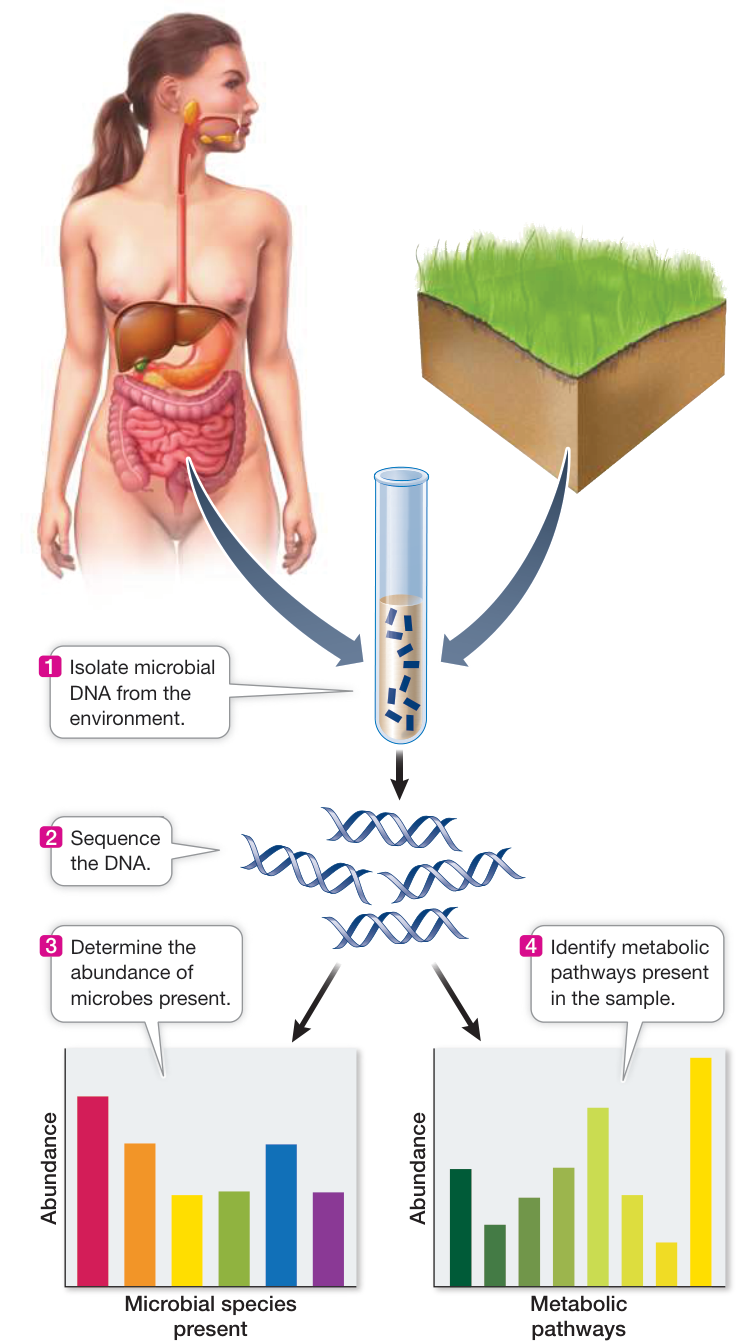
Figure 17.4 Metagenomics Microbial DNA extracted from the environment can be sequenced and analyzed. This has led to the description of many new genes, metabolic pathways, and species. (After X. C. Morgan and C. Huttenhower. 2012. PLOS Comput Biol 8: e1002808; X. C. Morgan et al. 2013. Trends Genet 29: 51–58.)
- Gut samples from 124 Europeans revealed that each person harbored at least 160 species of bacteria (making up their gut microflora, or microbiome). Many of these species were found in all individuals, but the presence of other bacteria varied from person to person. Such variations may be associated with obesity or with bowel diseases.
Connect the Concepts Learn more about how disruptions of the human gut microbiome are associated with various autoimmune diseases in Key Concept 24.3.
These and other discoveries are truly extraordinary and potentially very important. It is estimated that 90% of the microbial world has been invisible to biologists and is only now being revealed by metagenomics. Entirely new ecosystems of bacteria and viruses are being discovered in which, for example, one species produces a molecule that another species metabolizes. It is hard to overemphasize the importance of such an increase in our knowledge of the hidden world of microbes. This knowledge will help us understand natural ecological processes and has the potential to help us find better ways to manage environmental catastrophes such as oil spills, or to remove toxic heavy metals from soil.
Some sequences of DNA can move about the genome
As we mentioned in Key Concept 15.1, transposable elements (or transposons) are segments of DNA that can move from place to place in the genome. Genome sequencing has allowed scientists to study these elements more broadly, and they are now known to be widespread in both prokaryotes and especially eukaryotes. Prokaryotic transposable elements are often short sequences of 1,000–2,000 bp, and they can be found both in chromosomes and in plasmids. A transposable element might be at one location in the genome of one E. coli strain, and at a different location in another strain. The insertion of this movable DNA sequence from elsewhere in the genome into the middle of a protein-coding gene can disrupt that gene (Figure 17.5A,B). The mRNA transcribed from the disrupted gene will contain the extra sequence. In prokaryotes that lack introns the extra sequence will also be translated and the resulting protein will be substantially altered and almost certainly nonfunctional. Sometimes, two transposable elements located near one another (within a few thousand bp) will transpose together and carry the intervening DNA sequence with them, creating what is called a composite transposon (Figure 17.5C). Composite transposons have been important in spreading antibiotic resistance within and across prokaryotic species. Composite transposons carrying genes for antibiotic resistance can transpose from a chromosome to a plasmid that then moves between prokaryotic cells by conjugation (see Figure 12.25).
As you saw in Chapter 15, there are two ways in which different transposable elements move around the genome. A transposable element might splice out of one location and move to another location: the “cut and paste” mode (see Figure 17.5A). Or the element may be replicated, and the copy inserted into another site in the genome: the “copy and paste” mode (see Figure 17.5B). Transposable elements usually carry genes for enzymes such as transposases, which catalyze the reactions needed for transposition. Often the elements are flanked by inverted repeat DNA sequences that are recognized by these enzymes.
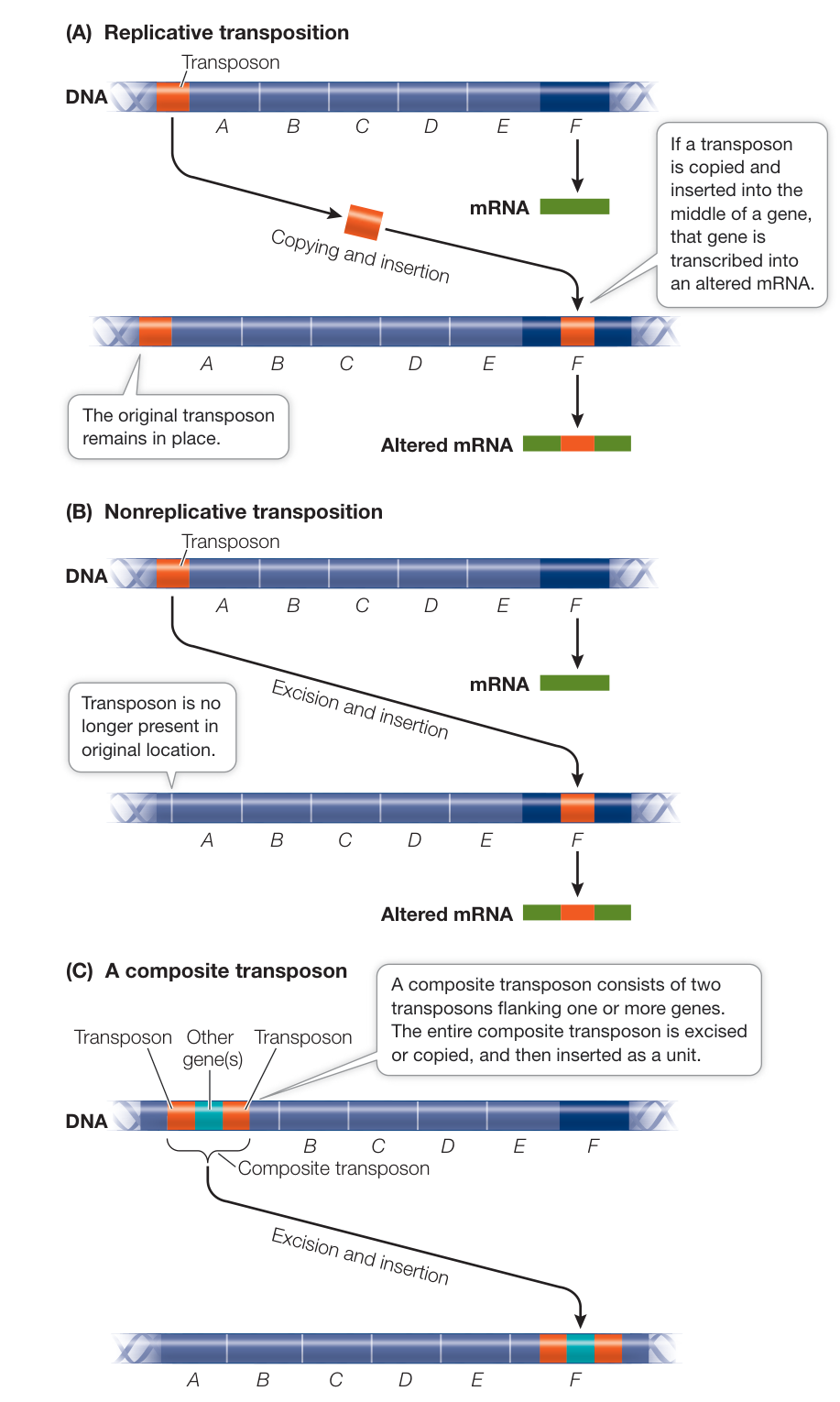
Figure 17.5 DNA Sequences That Move Transposable elements are DNA sequences that move from one location to another. (A) In the “copy and paste” method of transposition, the DNA sequence is replicated and the copy inserts elsewhere in the genome. (B) In the “cut and paste” method, the DNA sequence splices out of one location and inserts elsewhere in the genome. (C) Composite transposons contain one or more additional genes flanked by two transposable elements that move as a unit. Composite transposons can move either by the cut and paste method or by the copy and paste method. Q: What type of movement is shown for the composite transposon in (C)?
Will defining the genes required for cellular life lead to artificial life?
When we compare the genomes of prokaryotes and eukaryotes, a striking conclusion arises: certain genes are present in all organisms (universal genes). Not surprisingly, these include genes whose products are involved in DNA replication, transcription, and RNA translation to form proteins. There are also some (nearly) universal gene segments that are present in many genes in many organisms; for example, the sequence that codes for an ATP binding site in a protein. These findings suggest that there is some ancient, minimal set of DNA sequences that is common to all cells. One way to identify these sequences is to look for them in computer analyses of sequenced genomes.
Another way to begin to determine the minimal genome is to take an organism (preferably with a small genome) and deliberately mutate one gene at a time to identify essential genes. M. genitalium has one of the smallest known genomes—only 483 protein-coding genes. Even so, some of its genes are dispensable under some circumstances. For example, M. genitalium has genes for metabolizing both glucose and fructose, but it can survive in the laboratory on a medium containing only one of these sugars. Under such conditions it doesn’t need the genes for metabolizing the other sugar.
What about other genes? A team led by Craig Venter has addressed this question with experiments involving the use of transposons as mutagens. When transposons in the bacterium are activated, they insert themselves into genes at random, mutating and inactivating them (Figure 17.6). The mutated bacteria are tested for growth and survival, and DNA from interesting mutants is sequenced to find out which genes contain transposons. Using this method, the team showed that only 382 genes are essential for growth of M. genitalium in the laboratory! The number of essential genes is not much greater in eukaryotic microbes: in yeast, only about 17% of the nearly 7,000 protein-coding genes are essential. Even in multicellular eukaryotes, the number of essential genes is a modest proportion of the total number of genes: about 30% of the 20,222 genes in the nematode Caenorhabditis elegans are essential for growth and reproduction.
One goal of identifying essential genes is to design new life forms with specific purposes, such as bacteria that will clean up oil spills. You’ll learn about this approach, called synthetic genetics, in the next chapter.
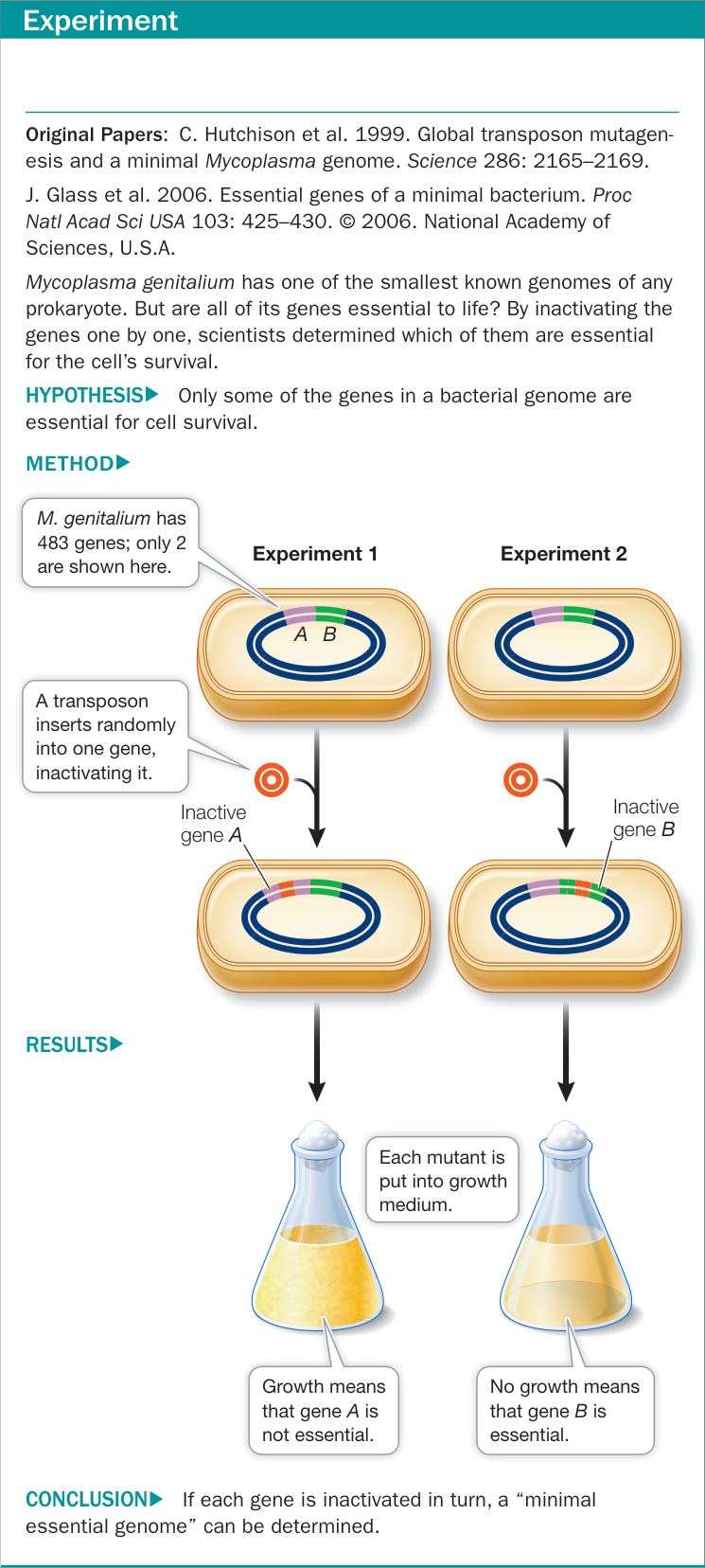
Figure 17.6 Using Transposon Mutagenesis to Determine the Minimal Genome
Recap and Assess
Comparative genomics of prokaryotes indicates that they have small, compact genomes, with genes that usually do not have introns, and sometimes they contain plasmids. Metagenomics involves sampling environmental DNA and has resulted in the identification of many new prokaryotic species, genes, and metabolic pathways. Transposable elements, including composite transposons, move from one place to another in the genome using either the cut and paste method or the copy and paste method. Identifying essential genes may lead to the creation of artificial species.
- Prokaryotic genomes are often described as having a “need for speed,” meaning fast replication. What characteristics of their genome make prokaryotes rapid replicators?
- How do transposons move about the genome?
- There are many bacterial species in your belly button. How would you use metagenomics to determine how many species are shared with other individuals and how many are unique to you?
Advances in DNA sequencing and sequence analysis have also led to sequencing of many eukaryotic genomes. We now look at some of the new insights that have come from these studies.
Eukaryotic Genomes Contain Many Types of Sequences
Learning Objectives
- 17.3.1 Explain why the genomes of eukaryotes are larger than those of prokaryotes.
- 17.3.2 Explain why larger eukaryotic genomes do not necessarily contain more protein-coding genes.
- 17.3.3 Provide an evolutionary explanation for how gene duplication might promote the evolution of new gene functions.
- 17.3.4 Summarize why the rRNA and tRNA genes involved in protein synthesis are present in multiple copies.
Eukaryotic and prokaryotic genomes differ in significant ways. Consider, for example, how the bacterial genomes in Table 17.2 compare with those of yeasts, plants, and animals—all eukaryotes. Key differences include the following:
- Eukaryotic genomes are larger than prokaryotic genomes, and they have more protein-coding genes. This difference is greatest for multicellular eukaryotes that have many cell types with specialized functions. As you can see in Table 17.2, the simple bacterium Mycoplasma has several hundred protein-coding genes in a genome of 0.58 million bp. A rice plant, in contrast, has almost 36,000 genes in a genome of 375 million bp!
Table 17.2 Representative Sequenced Genomes
| Organism | Haploid genome size (Mb) a | Number of protein-coding genes | Percent of genome that codes for proteins | Notable attributes |
|---|---|---|---|---|
| BACTERIA | ||||
| Mycoplasma genitalium | 0.58 | 483 | 88 | Minimal genome |
| Haemophilus influenzae | 1.83 | 1,656 | 89 | |
| Escherichia coli | 4.6 | 4,140 | 88 | Well-studied enteric bacterium |
| YEAST | ||||
| Saccharomyces cerevisiae | 12.2 | 6,692 | 70 | Protein targeting; cell organelles |
| PLANTS | ||||
| Arabidopsis thaliana | 136 | 27,655 | 25 | Small plant genome |
| Oryza sativa (rice) | 375 | 35,825 | 12 | Water tolerance for roots |
| Glycine max (soybean) | 978 | 56,679 | 7 | Lipid synthesis, storage |
| Zea mays (corn) | 2,135 | 39,498 | 2.5 | Transposable elements |
| ANIMALS | ||||
| Caenorhabditis elegans (nematode) | 100 | 20,222 | 25 | Tissue formation |
| Drosophila melanogaster (fruit fly) | 144 | 13,931 | 13 | Embryonic development |
| Homo sapiens (human) | 3,100 | 20,454 | 1.2 | Language |
aMb = Millions of base pairs.
Source: Data from Ensembl release 94 - October 2018. © EMBL-EBI and https://www.ncbi.nlm.nih.gov
- Eukaryotic genomes have more regulatory sequences—and encode many more regulatory proteins—than prokaryotic genomes. The greater complexity of eukaryotes requires much more regulation, which is evident in the many points of control associated with the expression of eukaryotic genes (see Key Concept 16.2 and Figure 16.8).
- Much of eukaryotic DNA is noncoding. Distributed throughout many eukaryotic genomes are various kinds of DNA sequences that are not transcribed into mature mRNAs, most notably introns and gene control sequences. As we discussed in Chapter 16, some noncoding sequences are transcribed into microRNAs. In addition, eukaryotic genomes contain various kinds of repeated sequences, sometimes in enormous abundance. Prokaryotes, in contrast, seldom contain long noncoding and repeated sequences.
- Eukaryotes have multiple chromosomes, whereas prokaryotes usually have a single, circular chromosome. As we have described in previous chapters, each eukaryotic chromosome has multiple origins of replication, a centromere region that holds the replicated chromosomes together and is the site of spindle attachment, and telomere sequences at each end of the chromosome that maintain chromosome integrity (Figure 17.7).
Genome sequences of model organisms provide important information
Most of our information about eukaryotic genomes has come from model organisms that have been studied extensively: the yeast Saccharomyces cerevisiae, the nematode (roundworm) Caenorhabditis elegans, the fruit fly Drosophila melanogaster, and the plant Arabidopsis thaliana. Model organisms have been chosen because they are relatively easy to grow and study in a laboratory, their genetics are well studied, and they exhibit characteristics that represent a larger group of organisms.
© Science Photo Library/Alamy Stock Photo
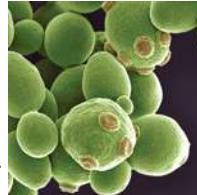
YEAST: THE BASIC EUKARYOTIC MODEL Yeasts are single-celled eukaryotes with a sexual life cycle that alternates between haploid and diploid stages. In nature they have a diplotic life cycle, while in the lab they have been mutated to become haplotic (see Figure 11.14). Like most eukaryotes, yeasts have membrane-enclosed organelles, such as the nucleus and endoplasmic reticulum. So it is not surprising that a single-celled yeast has a larger genome with more protein-coding genes than a single-celled bacterium (see Table 17.2). Gene inactivation studies similar to those carried out with M. genitalium (see Figure 17.6) indicate that only about 17% of the yeast’s genes are essential for survival. The most striking difference between the yeast genome and that of E. coli is the number of genes for targeting proteins to organelles (Table 17.3). Both of these single-celled organisms appear to use about the same number of genes to perform the basic functions of cell survival. It is the compartmentalization of the eukaryotic yeast cell into organelles that requires it to have many more genes. This finding is direct, quantitative confirmation of something we have known for a century: the eukaryotic cell is structurally more complex than the prokaryotic cell.
© Science Photo Library/Alamy Stock Photo
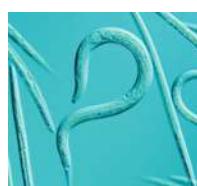
THE NEMATODE: UNDERSTANDING EUKARYOTIC DEVELOPMENT A simple organism in which to study multicellularity is Caenorhabditis elegans, a 1-mm-long nematode (roundworm) that normally lives in the soil. It can also live in the laboratory, where
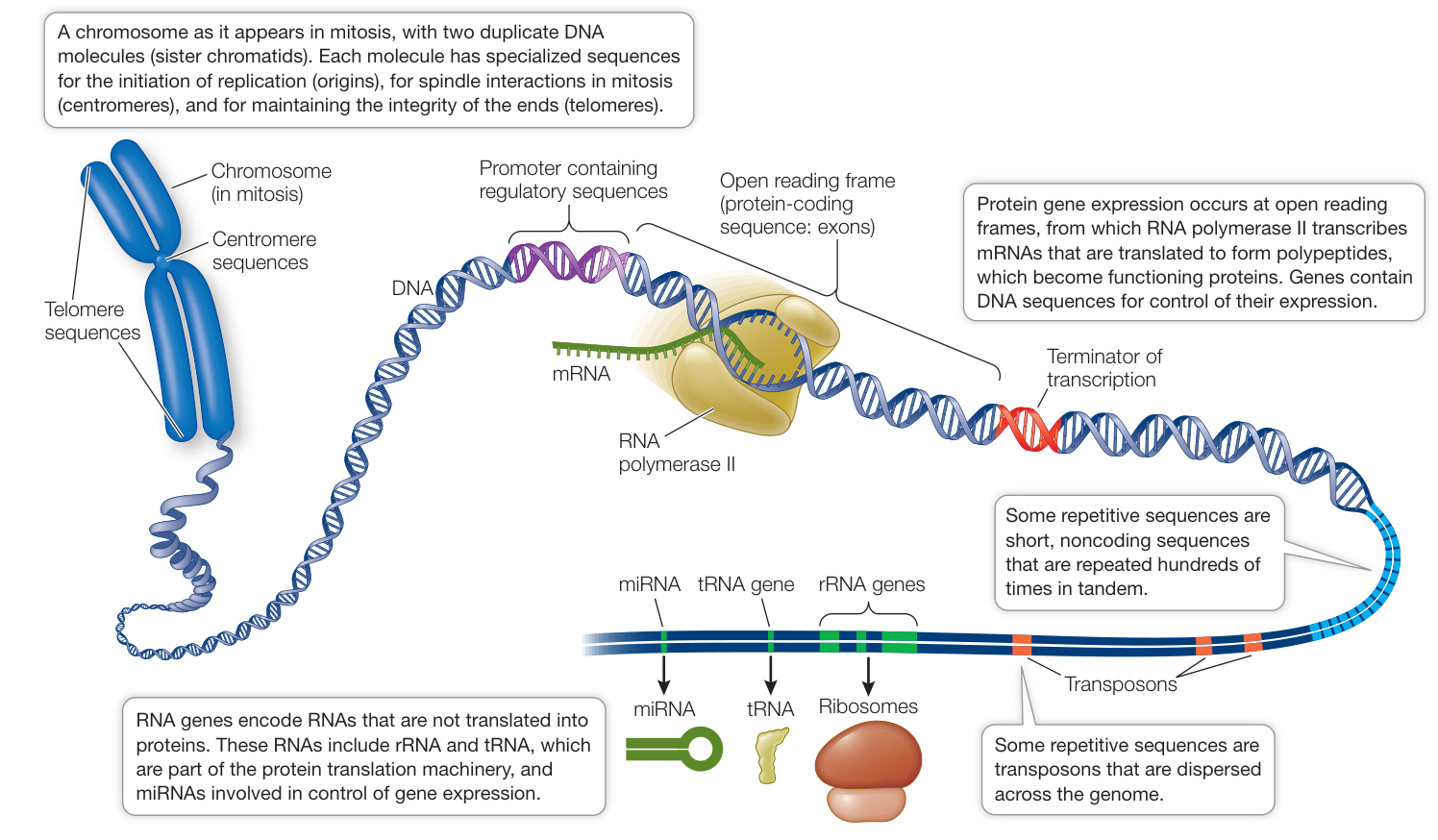
Figure 17.7 Features of Eukaryotic Genomes Eukaryotic genome sequences contain many features, some of which are summarized in this overview. Sifting through all the information contained in a genome sequence can help us understand how an organism functions and what its evolutionary history might be.
Q: Does increasing genome size necessarily mean there are more protein-coding genes?
it has become a favorite model organism of developmental biologists. The nematode has a transparent body that develops over 3 days from a fertilized egg to an adult worm made up of nearly 1,000 cells. In spite of its small number of cells, the nematode has a nervous system, digests food, reproduces sexually, and ages. So it is not surprising that an intense effort was made to sequence the genome of this model organism.
The C. elegans genome (100 million bp) is eight times larger than that of the yeast Saccharomyces cerevisiae and has three times as many protein-coding genes (see Table 17.2). Gene inactivation studies have shown that only about 30% of these genes are essential for worm growth and reproduction. So the number of essential genes in the worm (about 6,000 genes) is about five times greater than in yeast (about 1,100 genes). Why are there so many more essential genes in the worm? All cells must have genes for survival, growth, and division. However, the cells of multicellular organisms must also have genes for holding cells together to form tissues, for cell differentiation, and for intercellular communication, all of which must occur correctly to produce a viable, fertile individual.
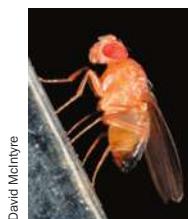
DROSOPHILA MELANOGASTER: RELATING GENETICS TO GENOMICS The fruit fly Drosophila melanogaster is a famous model organism. Studies of fruit flies resulted in the formulation of many basic principles of genetics (see Key Concept 12.4). More than 2,500 genes of D. melanogaster had been characterized by the end of the last century, and this fact alone was a good reason for sequencing the fruit fly’s DNA. The fruit fly is a much larger organism than C. elegans, both in size (it has ten times more cells) and complexity, and it undergoes complicated developmental transformations from egg to larva to pupa to adult. Figure 17.8 summarizes the functions of the Drosophila genes that have been characterized so far; this distribution is typical of complex eukaryotes.
Table 17.3 Comparison of the Genomes of E. coli and *S. cerevisiae
David Marinyre (from seed provided by Tobias Baskin)
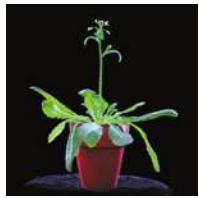
ARABIDOPSIS: STUDYING THE GENOMES OF PLANTS About 250,000 species of flowering plants dominate the land and fresh water. But in the context of the history of life, the flowering plants are fairly young, having evolved only about 200 million years ago. The genomes of some plants are huge—for example, the genome of corn is more than 2 billion bp, and that of wheat is 17 billion bp. Although we are naturally most interested in the genomes of plants we use as food and fiber, it is not surprising that scientists first chose to sequence a simpler flowering plant.
Arabidopsis thaliana is a member of the mustard family and has long been a favorite model organism of plant biologists. It is small (hundreds could grow and reproduce in the space occupied by this page), easy to manipulate, has a short generation time (about 2 months), and has a relatively small genome of 136 million bp. The Arabidopsis genome has almost 28,000 protein-coding genes (see Table 17.2), but remarkably, many of these genes are duplicates and probably originated by chromosomal rearrangements. When these duplicate genes are subtracted from the total, about 15,000 unique genes are left—similar to the number found in fruit flies. Indeed, many of the genes found in fruit flies have homologs (related genes) in Arabidopsis and other plants, suggesting that plants and animals have a common ancestor.
Arabidopsis does, of course, have some genes that distinguish it as a plant (Table 17.4). From what you know about plants, you can guess what these are: genes involved in photosynthesis, in the transport of water into the root and throughout the plant, in the assembly of the cell wall, in the uptake and metabolism of inorganic substances from the environment, and in the synthesis of specific molecules used for defense against microbes and herbivores (organisms that eat plants). The plant-specific genes in Arabidopsis are also found in the genomes of other plants, including rice (Oryza sativa), the first major crop plant whose sequence was determined. Rice is the world’s most important crop; it is a staple in the diet of 3 billion people. Despite its larger genome, rice has a set of genes remarkably similar to those of Arabidopsis. More recently the genome of the poplar tree Populus trichocarpa was sequenced. This rapidly growing tree is widely used for manufacturing paper and is a potential source of fixed carbon for making fuel. A comparison of the genomes of four flowering plants shows about 12,000 genes in common, comprising the minimal plant genome (Figure 17.9).
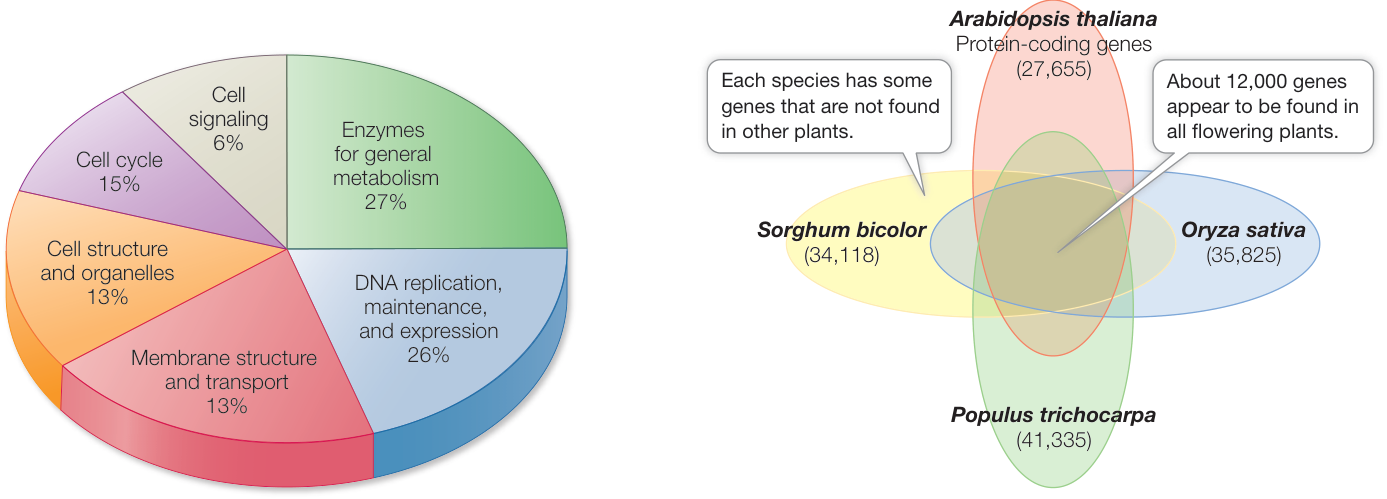
Figure 17.8 Functions of a Typical Eukaryotic Genome The distribution of gene functions in Drosophila melanogaster shows a pattern that is typical of many complex organisms. (After M. D. Adams et al. 2000. Science 287: 2185–2195.) Figure 17.9 Plant Genomes The genomes of four flowering plants share a common set of approximately 12,000 genes that appear to comprise the minimal plant genome. (Data from Ensembl release 94 - October 2018. © EMBL-EBI.)
Table 17.4 Arabidopsis Genes Unique to Plants
Eukaryotes have gene families
For about half of all eukaryotic protein-coding genes, only a single copy will be found in the haploid genome (two copies in somatic cells). But there are multiple copies of most other protein-coding genes, a phenomenon resulting from gene duplications. In some cases, over evolutionary time different copies of duplicated genes have undergone separate mutations, giving rise to groups of closely related genes, often with similar functions, called gene
families. Some gene families, such as those encoding the globin proteins that make up hemoglobin, contain only a few members. Other families, such as the genes encoding the immunoglobulins that make up antibodies, have hundreds of members. In the human genome there are about 20,500 protein-coding genes, but 16,000 of these are members of gene families. So only about one-quarter of human genes are unique.
The DNA sequences in a gene family are usually different from one another. As long as at least one member encodes a functional protein, the other members may mutate in ways that change the functions of the proteins they encode. During evolution, the availability of multiple copies of a gene allows for selection of mutations that provide advantages under certain circumstances. If a mutated gene is useful, it may be selected for in succeeding generations. If the mutated gene is a total loss, the functional copy is still there to carry out its role.
Let’s take a look at one gene family, the globin genes in vertebrates. The globins are components of hemoglobin and myoglobin (an oxygen-binding protein present in muscle). The globin genes all arose long ago from a single common ancestral gene. In humans there are three functional members of the -globin cluster and five in the -globin cluster (Figure 17.10). In adults, each hemoglobin molecule is a tetramer containing two identical -globin subunits, two identical -globin subunits, and four heme pigments (see Figure 3.12).
During human development, different members of the globin gene cluster are expressed at different times and in different tissues. This differential gene expression has great physiological significance. For example, hemoglobin that contains -globin, a subunit found in the hemoglobin of the human fetus, binds more tightly than adult hemoglobin does. This specialized form of hemoglobin ensures that in the placenta, is transferred from the mother’s blood to the developing fetus’s blood. Just before birth the liver stops synthesizing fetal hemoglobin and the bone marrow cells take over, making the adult form (two and two ). Thus hemoglobins with different binding affinities for are provided at different stages of human development.
In addition to genes that encode proteins, many gene families include nonfunctional pseudogenes, which are designated with the Greek letter psi () (see Figure 17.10). Pseudogenes result from mutations that cause a loss of function rather than an enhanced or new function. The DNA sequence of a pseudogene may not differ greatly from that of other family members. It may simply lack a promoter, for example, and thus fail to be transcribed. Or it may lack a recognition site needed for the removal of an intron, so that the transcript it makes is not correctly processed into a useful mature mRNA. In some gene families pseudogenes outnumber functional genes. In such cases there appears to be no evolutionary advantage for the deletion of the pseudogenes, even though they have no apparent function.
Eukaryotic genomes contain repetitive sequences
In many eukaryotic genomes, the single-copy genes represent a small percentage of the DNA. Numerous repetitive DNA sequences that do not code for polypeptides make up the majority of the genome. These include highly repetitive sequences, and moderately repetitive sequences, including transposons. Table 17.5 summarizes the types of sequences found in eukaryotes, including the major types of repetitive sequences.
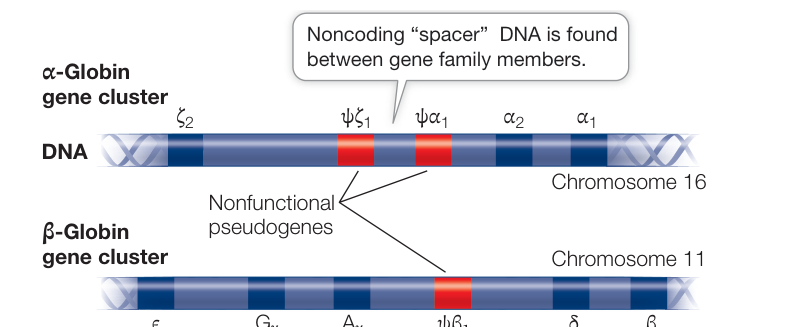
Figure 17.10 The Globin Gene Family The -globin and -globin clusters of the human globin gene family are located on different chromosomes. The genes of each cluster are separated by noncoding “spacer” DNA. The nonfunctional pseudogenes are indicated by the Greek letter psi ( ). The gene has two variants, and .
Highly repetitive sequences are short (less than 100 bp) sequences that are repeated thousands of times in tandem (side-by-side) arrangements in the genome. They are not usually transcribed. Their proportion in eukaryotic genomes varies, from 10% in humans to about 50% in some species of fruit flies. Often they are associated with heterochromatin, the densely packed, transcriptionally inactive part of the genome. Other highly repetitive sequences are scattered around the genome. For example, short tandem repeats (STRs) of 1–5 bp can be repeated up to 100 times at a particular chromosomal location. The copy number of an STR at a particular location varies among individuals.
Connect the Concepts Key Concept 15.3 described how STRs can be used in the identification of individuals (DNA fingerprinting).
Moderately repetitive sequences are repeated 10–1,000 times in eukaryotic genomes. These sequences include the genes that
Table 17.5 Types of Sequences in Eukaryotic Genomes
| Category | Transcribed | Translated |
|---|---|---|
| SINGLE-COPY GENES | ||
| Promoters and expression control sequences | No | No |
| Introns | Yes | No |
| Exons | Yes | Yes |
| MODERATELY REPETITIVE SEQUENCES | ||
| rRNA and tRNA genes | Yes | No |
| Transposons | ||
| I. Retrotransposons | ||
| LTRs | Yes | No |
| SINEs | Yes | No |
| LINEs | Yes | Yes |
| II. DNA transposons | Yes | Yes |
| HIGHLY REPETITIVE SHORT SEQUENCES | No | No |
are transcribed to produce tRNAs and rRNAs, which are used in protein synthesis. The cell makes tRNAs and rRNAs constantly, but even at the maximum rate of transcription, single copies of the tRNA and rRNA genes would be inadequate to supply the large amounts of these molecules needed by most cells. Thus the genome has multiple copies of these genes.
In mammals, four different rRNA molecules make up the ribosome: the 18S, 5.8S, 28S, and 5S rRNAs. (The S stands for Svedberg unit, which is a measure of size.) The 18S, 5.8S, and 28S rRNAs are transcribed together as a single precursor RNA molecule (Figure 17.11). As a result of several posttranscriptional steps, the precursor is cut into the final three rRNA products, and the noncoding “spacer” RNA is discarded. The sequence encoding these RNAs is moderately repetitive in humans: a total of 280 copies of the sequence are located in clusters on five different chromosomes.
Apart from the RNA genes, most moderately repetitive sequences are transposons, which, like the prokaryotic transposons we discussed earlier, can move about in the genome. Transposons make up more than 40% of the human genome and about 50% of the corn genome, but in many other eukaryotes the percentage is smaller (3%–10%).
Retrotransposons fall into three groups (see Table 17.5), based on the types of repetitive sequences they contain: long terminal repeats (LTRs), long interspersed elements (LINEs), and short interspersed elements (SINEs). Retrotransposons move about the genome in a distinctive way: they are transcribed into RNA, which then acts as a template for new DNA. The new DNA becomes inserted at a new location in the genome. This “copy and paste” method results in two copies of the transposon: one at the original location and the other at a new location. A single type of SINE retrotransposon, the 300-bp Alu element, accounts for 11% of the human genome; it is present in a million copies!
Transposons of the fourth type, the DNA transposons, do not use RNA intermediates. Like some prokaryotic transposable elements, they are excised from the original location and become inserted at a new location without being replicated (the “cut and paste” method).
What role do these moving sequences play in the cell? The best answer so far seems to be that transposons are simply molecular parasites that can be replicated. The insertion of a transposon at a new location can have important consequences. For example, the insertion of a transposon into the coding region of a gene results in a mutation (see Figure 17.6). This phenomenon accounts for rare forms of several genetic diseases in humans, including hemophilia and muscular dystrophy. If the insertion of a transposon takes place in the germ line, a gamete with a new mutation results. If the insertion takes place in a somatic cell, cancer may result.
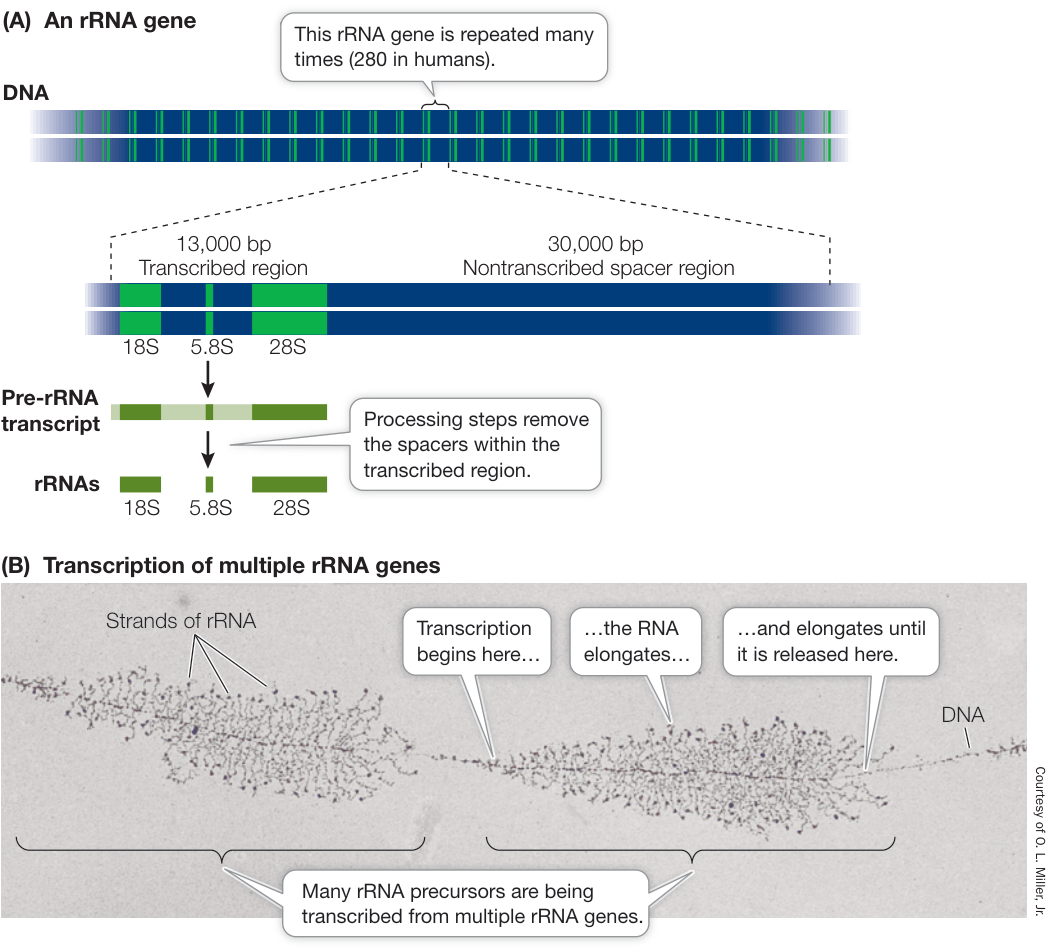
Figure 17.11 A Moderately Repetitive Sequence Codes for rRNA (A) This rRNA gene, along with its nontranscribed spacer region, is repeated 280 times in the human genome, with clusters on five chromosomes. (B) This electron micrograph shows transcription of multiple rRNA genes. Q: Are there similarities between the process depicted in the photo here and the process of translation via polysomes shown in Figure 14.18?
Sometimes an adjacent gene can be replicated along with a transposon, resulting in a gene duplication. A transposon can carry a gene, or a part of it, to a new location in the genome, shuffling the genetic material and creating new genes. Clearly, transposition stirs the genetic pot in eukaryotic genomes and thus contributes to genetic variation.
Recap and Assess
The genomes of eukaryotes contain many more genes than those of prokaryotes. Some of these “additional” genes encode functions associated with the compartmentalization of eukaryotic cells; others are needed to support multicellularity. The genome sequences of model organisms have been compared to identify common features of eukaryotic genomes, including the presence of abundant regulatory sequences, repetitive sequences, and noncoding DNA. Some eukaryotic genes make up gene families, which may include members that are mutated and nonfunctional. Many eukaryotic genomes contain enormous quantities of repetitive DNA and very little protein-coding DNA.
- What kinds of genes found in Caenorhabditis elegans are expected to have few counterparts in yeasts?
- What is the importance of gene duplication for evolution?
- Why are there multiple copies of sequences coding for rRNA in the mammalian genome?
- The genomes of rice, wheat, and corn are similar to one another and to that of Arabidopsis. What processes might explain why these four plants are nevertheless distinguished by unique proteins?
The analysis of eukaryotic genomes has resulted in an enormous amount of useful information, as we have seen. In the next key concept we look more closely at the human genome.
Human Biology Is Revealed through the Genome
Learning Objectives
- 17.4.1 Describe the characteristics of the human genome and its genes.
- 17.4.2 Use SNP genotype data to determine whether a SNP is associated with a phenotypic characteristic.
- 17.4.3 Explain how SNP genotypes are used to determine ancestry and identify individuals.
- 17.4.4 Explain how SNP genotypes are used in pharmacogenomics and personalized medicine.
Since the first human genome sequences were completed early in the first decade of this millennium, the genomes of many other individuals have been sequenced and published. With the rapid development of sequencing technologies, a human genome can be sequenced for less than $1,000.
The following are just some of the interesting facts that sequencing of the human genome has brought to light:
- The human genome contains about 20,500 protein-coding genes. About 40% of the genome is gene-related: 30% is introns, and 9% is regulatory or encodes functional RNAs that are not mRNAs. Of the 3.1 billion bp in the haploid genome, only an estimated 1.2% encodes proteins. The low number of protein-coding genes was a surprise. Before sequencing began, the diversity of human proteins suggested there might be 80,000–150,000 genes in the human genome. The actual number of genes—about the same as in the nematode C. elegans—means that posttranscriptional mechanisms (such as alternative splicing) must account for the observed number of proteins in humans. That is, the average human gene must code for several different proteins.
- The average human gene has 27,000 bp. Gene sizes vary greatly, from about 1,000 bp to 2.4 million bp. Some variation in gene size was expected given that human proteins (and their mRNAs) vary in size, from 100 to about 5,000 amino acids per polypeptide chain.
- Most human genes have many introns. The “average” human gene has eight of them, each with an average length of 3,300 bp.
- About half of the genome is made up of transposons (see Table 17.5) and other repetitive sequences.
- When the genomes of two unrelated individuals are compared, most of the sequence—about 99.9%—is identical. Before you jump to the conclusion that we are all the same, remember that we have 6.2 billion bp in our diploid genome, so that 0.1% difference represents 6.2 million bp that differ between you and an unrelated person! The main differences are in copy number variations of short repeated sequences and single base pair differences, termed single nucleotide polymorphisms (SNPs; see Key Concept 15.3). And don’t forget epigenetic differences as well (see Key Concept 16.4).
- Protein-coding genes are not evenly distributed over the genome. Chromosome 19 is packed densely with genes (1 gene per 40 kb), whereas chromosome 18 has long stretches without coding regions (1 gene per 300 kb). The Y chromosome has the fewest genes (fewer than 100), and chromosome 1 has the most (about 2,000).
Comparative genomics reveals the evolution of the human genome
Comparisons among sequenced genomes from prokaryotes and eukaryotes have revealed some of the evolutionary relationships among genes. About 20% of human genes are found across the tree of life, about 30% are shared by most eukaryotes but are absent in prokaryotes, about 25% are shared with most animals but are absent in single-celled eukaryotes, and about 25% are found only in vertebrates.
The genomes of various other primates, including all of the great apes, have now been sequenced. The search is on for a set of human genes that differ from those found in other primates and that make us unique. Chimpanzees are our closest living relatives, sharing about 96% of our DNA sequence, and for those sequences that are shared, they are nearly 99% identical. About 500 protein-coding genes have undergone accelerated evolution in humans and chimpanzees, including genes involved in hearing and brain development. Further analyses of these sequences may reveal genes that distinguish us from other apes, and that “make humans human.”
Connect the Concepts Key Concept 31.5 discusses how comparisons of human and other primate genomes have refined our understanding of human evolution.
Other clues about “human” genes have come from sequencing the genomes of ancient human relatives. An international team of scientists led by Svante Pääbo at the Max Planck Institute for Evolutionary Anthropology in Germany has extracted and sequenced DNA from the bones of Neanderthals, who lived in Europe until about 40,000 years ago. The entire Neanderthal genome has been sequenced. It is more than 99% identical to our human DNA, justifying the classification of Neanderthals as part of the same genus, Homo.
Comparisons of the human and Neanderthal genomes are ongoing and have already revealed several interesting facts:
- The gene MC1R is involved in skin and hair pigmentation. A point mutation found in Neanderthals but not in humans caused lower activity of the MC1R protein when it was introduced into cell cultures. Such lower activity of MC1R is known to result in fair skin and red hair in humans. So it appears that at least some Neanderthals may have had pale skin and red hair.
- The gene FOXP2 is involved in vocalization in many organisms, including birds and mammals. In humans, mutations in this gene result in severe speech impairment. The Neanderthal FOXP2 gene is identical to that of humans, whereas that of chimpanzees is slightly different. This has led to speculation that Neanderthals were capable of speech.
- While the human and Neanderthal genome sequences are very similar, there are differences in many point mutations and larger chromosomal arrangements. There are distinctive “human” DNA sequences and also distinctive “Neanderthal” sequences. Analysis of genomes from modern humans indicates that humans and Neanderthals interbred in the past, with transfer of DNA between the two species.
Human genomics can determine ancestry, identify individuals, and improve medicine
About 1 bp out of 1,330 in the human genome contains a SNP. For most SNPs, only two alleles are present in a population (G-C versus T-A, for example). When discussing SNP alleles, usually only one of the two nucleotide identities is written, so this SNP would be called a G/T (or a C/A) SNP (Figure 17.12A). At a G/T SNP, an individual could be a GG homozygote, a GT heterozygote, or a TT homozygote. SNP variation across individuals can be used in a variety of ways.
ANCESTRY AND IDENTIFICATION Some SNP alleles are common in certain human populations but rare in others, allowing
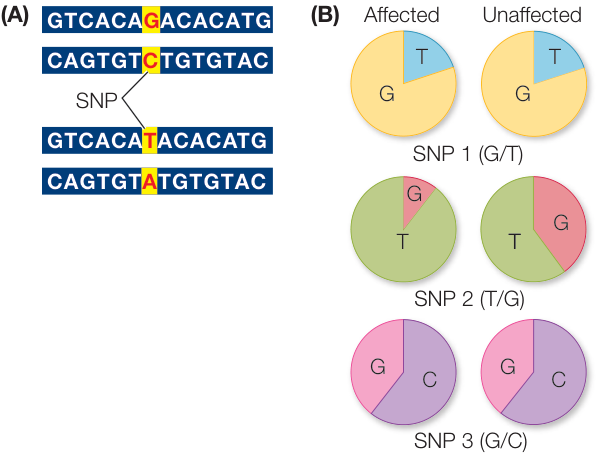
Figure 17.12 SNP Genotype and Phenotype (A) A single base-pair position in the genome that varies at the population level is a SNP. In this example we see a site that can be G-C or T-A, meaning it is a G/T, or equivalently a C/A, SNP. (B) The frequencies of two alleles (base pairs), shown using pie charts, at each of three SNPs in affected and unaffected individuals reveal that the G allele at SNP 2 is associated with the unaffected phenotype, whereas the G allele at SNPs 1 and 3 is not associated with either phenotype.
SNPs to be used to determine ancestry. For example, if an individual has alleles at several SNPs that are common only in East Asian populations, then that indicates the individual’s ancestors are from that region. In addition, SNPs can be used to determine relatedness among people. Identical twins obviously will have identical SNP genotypes. However, other relatives, such as siblings or first cousins, will also have more similar SNP genotypes than expected for unrelated individuals. This allows relatives to be found simply by comparing SNP genotypes at many loci. It also means that if DNA is left at a crime scene, it can be genotyped at many SNP loci to identify the suspect who left the sample (an exact match) or a relative, who could then be used to help find the suspect.
COMPLEX TRAITS SNPs can also be used to determine genetic causes of quantitative traits, which has great potential in medicine. Quantitative traits are determined not by single genes but by multiple genes interacting with the environment (see Key Concept 12.3). Several common diseases such as diabetes, heart disease, and Alzheimer’s disease are quantitative traits. A considerable amount of research involves attempting to identify the genes affecting such diseases. To find the causal genes, biologists genotype many SNPs across the genome and look for associations between the presence of a particular allele at a SNP and the disease. Examining multiple SNPs in multiple individuals, both with and without a disease of interest, to find an association between a particular SNP allele and the phenotype is termed a genome-wide association study (Figure 17.12B).
Association studies have revealed particular SNP alleles that are associated with increased risks for diseases. For example, a particular SNP allele on chromosome 10 is associated with a 65% increased risk for adult-onset diabetes when heterozygous, and an almost three-fold risk when homozygous. This information can have predictive value in counseling and treating patients. Private companies can now scan a human genome for these variants—and the price for this service keeps getting lower. However, at this point it is unclear what a person without symptoms should do with the information, since multiple genes and environmental influences contribute to the development of these diseases.
SNP GENOTYPING Given the usefulness of SNPs, being able to score an individual’s genotype at multiple SNPs inexpensively is important. One approach that can target a few hundred thousand SNPs uses DNA microarrays. A DNA microarray is a grid of microscopic spots of different oligonucleotides (short single-stranded DNA sequences) arrayed on a solid surface. It can be “probed” with an individual’s DNA (after denaturation) or RNA; if the individual’s DNA contains a sequence that is complementary to one of the oligonucleotides, the sequence will hybridize to (base-pair with) the DNA at that spot, a process called nucleic acid hybridization (which you have already seen in Figures 14.7 and 15.19). Colored fluorescent dyes are used to detect spots that hybridize with a sequence in an individual’s DNA. Often, adjacent spots have oligonucleotides that correspond to the two alleles at a particular SNP. For example, for an A/G SNP, one spot has the A allele oligonucleotide and the other has the G allele oligonucleotide. Extracting DNA from an individual, cutting it up, labeling it with a dye, and then hybridizing it to the microarray will yield different patterns depending on the genotype (Figure 17.13).
Of course, the most comprehensive way to analyze a person’s genome is by actually sequencing it. As the cost of genome sequencing and analysis goes down, SNP microarrays will be superseded. In 2015 the U.S. government announced a plan to sequence the genomes of 1 million Americans and link the sequences to medical records. This approach is not new, but the large scale of it is. The goal is to relate genome changes to diseases such as cancer and diabetes, and to use these changes for diagnosis and, if they lead to changes in encoded proteins, to therapies targeted at the altered proteins.
PHARMACOGENOMICS Genetic variation can affect how an individual responds to a particular drug. For example, a drug may be chemically modified in the liver to make it more or less active. Consider an enzyme that catalyzes the following reaction:
A mutation in the gene that encodes this enzyme may make the enzyme less active. For a given dose of the drug, a person with the mutation would have more active drug in the bloodstream than a person without the mutation. So the effective dose of the drug would be lower in the person with the mutation.
Now consider a different case, in which the liver enzyme is needed to make the drug active:
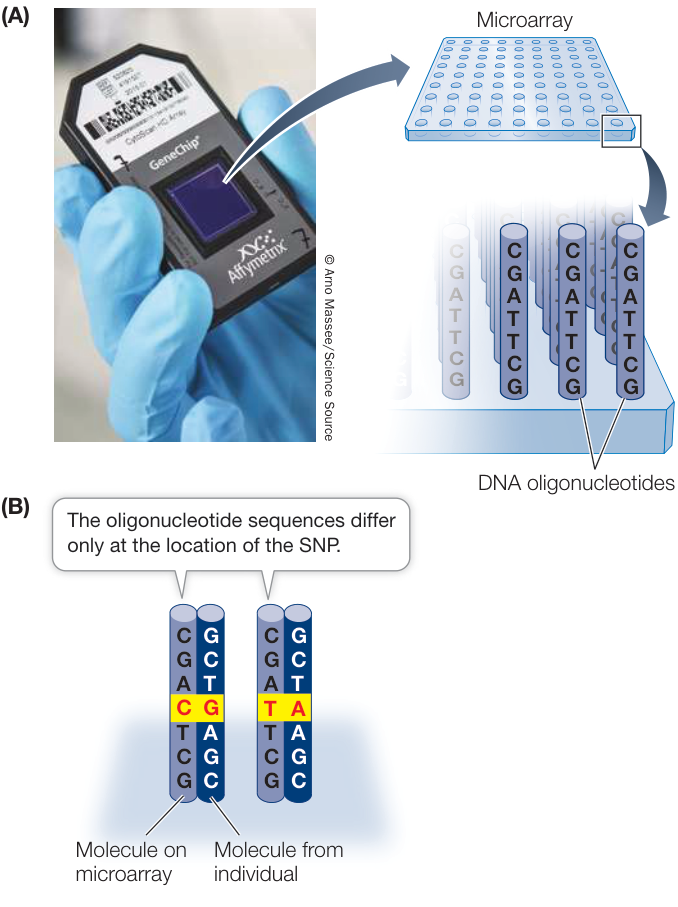
Figure 17.13 A DNA Microarray (A) a microarray chip contains hundreds of thousands of spots, each having a cluster of identical, single-stranded oligonucleotides. (B) For genotyping, two spots contain oligonucleotides that are identical, and complementary to the region of the genome containing the SNP, except at the location of the SNP, where each spot corresponds to one of the alleles (in reality, oligonucleotides are 25 bases in length). In this example, if DNA from an individual binds only to the left spot, that identifies the individual as a CC homozygote. If DNA binds only to the right spot, the individual is a TT homozygote. A heterozygous individual will have DNA binding equally to both spots.
A person carrying a mutation in the gene encoding this liver enzyme would not be affected by the drug, since the activating enzyme is not present.
The study of how an individual’s genome affects his or her response to drugs or other outside agents is called pharmacogenomics. Just as it is possible to identify SNPs that are associated with particular disease susceptibilities, it is also possible to identify SNPs that are associated with specific drug responses. This type of analysis makes it possible to predict whether a drug will be effective. The objective is to personalize drug treatment so that a physician can know in advance whether an individual will benefit from a particular drug (Figure 17.14). This approach might also be used to reduce the incidence of adverse drug reactions by identifying individuals who will metabolize a drug slowly, which can lead to a dangerously high level of the drug in the body.
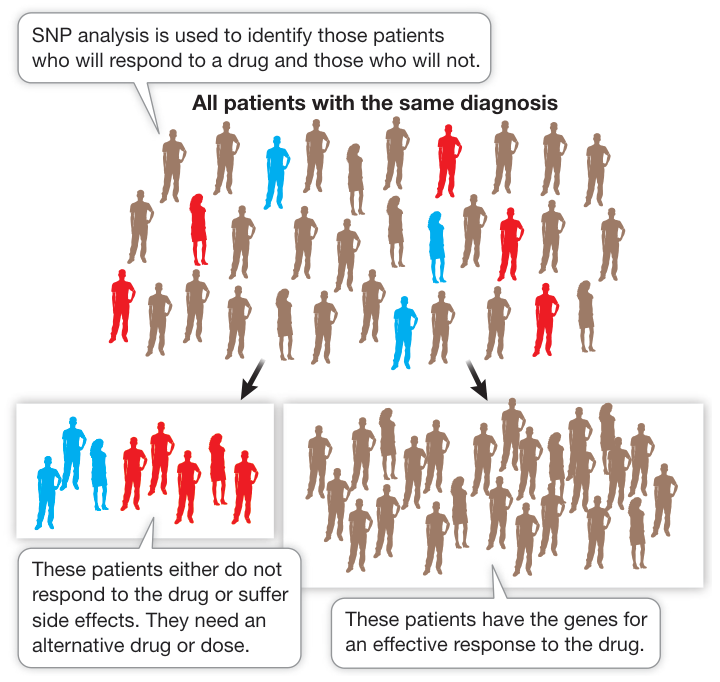
Figure 17.14 Pharmacogenomics Correlations between SNP genotypes (indicated by different colors) and responses to drugs help physicians develop personalized medical care. (After J. A. Johnson. 2003. Trends Genet 19: 660–666.)
Recap and Assess
The haploid human genome has 3.1 billion bp, about 40% of which is gene-related sequence, though only about 1.2% codes for proteins. Most of the 20,500 human genes are subject to alternative splicing, which in part explains why there are many more different proteins than protein-coding genes. SNP genotyping is used to determine ancestry, identify individuals, and find correlations between specific SNPs and disease and drug susceptibility. These efforts hold promise for understanding disease risk and appropriate treatment options at the individual level—the beginning of personalized medicine.
- How do human cells express a larger number of proteins than is accounted for by the number of protein-coding genes in the human genome?
- Only 1.2% of the human genome encodes proteins. Does this imply that only a small percentage of the genome encodes genes?
- A thousand affected and 1,000 unaffected individuals for a disorder are genotyped at three SNPs, and the frequency of each allele is determined. The following data are obtained:
| Frequencies at SNP 1 | Frequencies at SNP 2 | Frequencies at SNP 3 | ||||
|---|---|---|---|---|---|---|
| Allele A | Allele C | Allele G | Allele A | Allele T | Allele C | |
| Affected | 0.22 | 0.78 | 0.61 | 0.39 | 0.74 | 0.26 |
| Unaffected | 0.21 | 0.79 | 0.59 | 0.41 | 0.22 | 0.78 |
Are any of the alleles at these SNPs associated with the disorder?
Genome sequencing has advanced our understanding of biology enormously. High-throughput technologies are now being applied to other components of the cell: proteins and metabolites. We now turn to the results of these studies.
Proteomics and Metabolomics Can Provide Insights beyond the Genome
Learning Objectives
- 17.5.1 Explain why the proteome differs in different conditions.
- 17.5.2 Summarize why the number of proteins in the proteome is often substantially larger than the number of protein-coding genes that are expressed.
- 17.5.3 Define the metabolome and provide examples of applications of metabolomic data for human health.
Statements such as “The human genome is the book of life” were commonly made at the time the human genome sequence was first revealed, reflecting a belief in “genetic determinism”—that a person’s phenotype is determined primarily by his or her genotype. But as we have repeatedly stressed, an organism is not just a product of the alleles that it carries at its genes. In addition, both the current environment and past environments experienced by an organism play a role. For example, one cannot predict levels of gene expression in a particular organism from its genotype alone. To understand the relationship between genotype and phenotype, researchers have begun to focus on the proteins and the small molecules present in an organism. The hope is that, with genomics, the fields of proteomics and metabolomics will provide a more complete understanding of the relationship between genotype and phenotype.
The proteome is the complete set of proteins in a cell, tissue, or organism at a given time
As we have mentioned earlier, many genes encode more than a single protein (Figure 17.15). Alternative splicing of a given gene can allow different combinations of exons to be transcribed into the mature mRNAs. Posttranslational modifications also increase the number of protein variants that can be derived from one gene. It should also be noted that in a multicellular organism many proteins are produced only by certain cells and only under specific conditions. Even single-celled organisms express only a subset of their genes at any particular time. The proteome is the sum total of the proteins produced by a cell, tissue, or organism at a given time, under defined conditions.
Connect the Concepts Recall from Key Concept 16.5 that different mRNAs can be made from the same gene by alternative splicing, resulting in a family of different proteins, with different functions, from a single gene. Recall also that proteins can be modified in posttranslational processes such as proteolysis, glycosylation, and phosphorylation (see Figure 14.21).
The proteome is analyzed by mass spectrometry, a technique that uses electromagnets to identify proteins by their mass. The ultimate aim of proteomics is just as ambitious as that of genomics. Whereas genomics seeks to describe the genome and its expression, proteomics seeks to identify and characterize all of the expressed proteins.
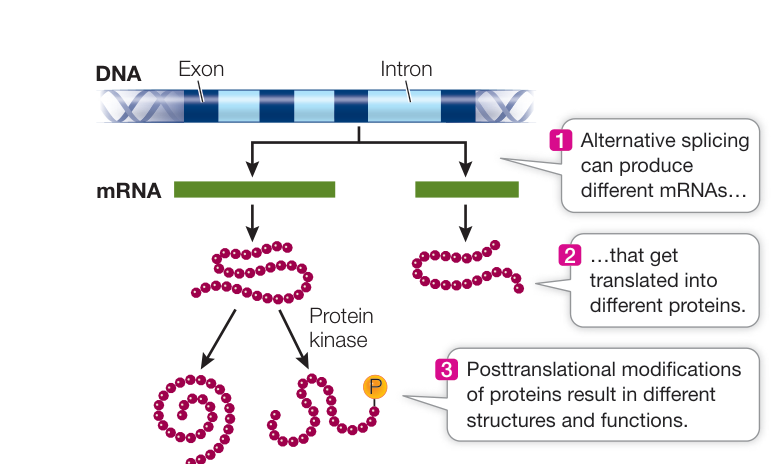
Figure 17.15 Proteomics A single gene can code for multiple proteins.
Comparisons of the proteomes of humans and other eukaryotic organisms have revealed a common set of proteins that can be categorized into groups with similar amino acid sequences and similar functions. When considered on a whole-organism basis, 45% of the yeast proteome, 23% of the nematode proteome, and 35% of the fruit fly proteome are shared by the human proteome. Functional analyses indicate that a set of 2,100 proteins provides the basic metabolic functions of a eukaryotic cell, such as glycolysis, the citric acid cycle, membrane transport, protein synthesis, DNA replication, and so on (Figure 17.16).
There are, of course, many uniquely human proteins in addition to those we share with other eukaryotic organisms. As we have mentioned before, proteins have different functional regions called domains (for example, a domain for binding a substrate, or a domain for spanning a membrane). While a particular organism may have many unique proteins, those proteins are often just unique combinations of domains that exist in other organisms. This reshuffling of the genetic deck is a key to evolution.
Proteins seldom exist in isolation. Most interact with other molecules, such as nucleic acids (e.g., transcription factors and DNA), other proteins (e.g., the respiratory chain complexes in mitochondria), and lipids (receptors in the cell membrane). A major task of proteomics is analyzing these interactions.
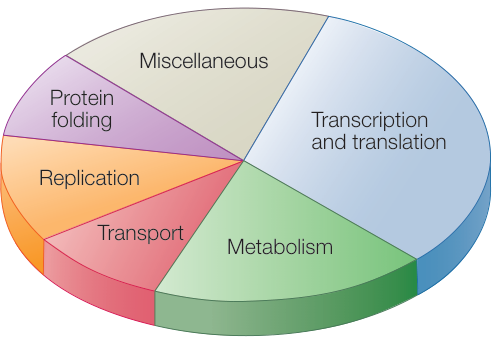
Figure 17.16 Proteins of the Eukaryotic Proteome About 1,300 proteins are common to all eukaryotes and fall into these categories. Although their amino acid sequences may differ to a limited extent, the proteins perform the same essential functions in all eukaryotes. (After E. V. Koonin et al. 2004. Genome Biol 5:R7)
Metabolomics is the study of chemical phenotype
Studying genes and proteins gives a limited picture of what is going on in a cell. As we have seen, both gene function and protein function are affected by the internal and external environments of the cell. Many proteins are enzymes, and their activities affect the concentrations of their substrates and products. So as the proteome changes, so do the abundances of small molecules called metabolites. The metabolome is the complete set of small molecules present in a cell, tissue, or organism under defined conditions. These include:
- Primary metabolites involved in normal processes, such as intermediates in pathways such as glycolysis. This category also includes hormones and other signaling molecules.
- Secondary metabolites, which are often unique to particular organisms or groups of organisms. They are often involved in special responses to the environment. Examples are antibiotics made by microbes, and the many chemicals made by plants that are used in defense against pathogens and herbivores.
Not surprisingly, measuring metabolites involves sophisticated analytical instruments. If you have studied organic or analytical chemistry, you may be familiar with gas chromatography and high-performance liquid chromatography, which separate molecules, and with mass spectrometry and nuclear magnetic resonance spectroscopy, which are used to identify them. These measurements result in “chemical snapshots” of cells or organisms, which can be related to physiological states.
There has been some progress in defining the human metabolome. A database created by David Wishart and colleagues at the University of Alberta contains more than 100,000 metabolite entries. The challenge now is to relate levels of these substances to physiology. For example, you probably know that high levels of glucose in the blood are associated with diabetes. But what about the early stages of heart disease? There may be a pattern of metabolites that is diagnostic of this disease. This could aid in early diagnosis and treatment.
Plant biologists are ahead of medical researchers in the field of metabolomics. Over the years, tens of thousands of secondary metabolites have been identified in plants, many of them made in response to environmental challenges. Some of these will be discussed in Chapter 37. The metabolome of the model organism Arabidopsis thaliana is being described and will give insight into how a plant copes with stresses such as drought or pathogen attack. This knowledge could be helpful in optimizing plant growth for agriculture.
Recap and Assess
The proteome is the set of all proteins produced by a cell, tissue, or organism under specific conditions. The metabolome is the total content of small molecules, such as intermediates in primary metabolism, hormones, and secondary metabolites. The proteome and the metabolome can be analyzed using chemical methods that separate and identify molecules.
- Why is the proteome often larger than the number of genes that are expressed?
- Why would it be useful to have a database of primary and secondary metabolites involved in human metabolism?
Investigating Life: QA What have we learned from sequencing animal genomes?
In certain dog breeds, such as whippets, the muscles of some individuals can be much bulkier than is normal. Genome analyses have shown that the gene for myostatin, a protein that inhibits muscle growth, is mutated in whippets that have bulky muscles. When the myostatin gene is mutated, the protein that inhibits muscle growth is dysfunctional (Figure 17.17). Comparative genomics reveals that the myostatin gene is also mutated in certain breeds of cattle and sheep that are noted for overdeveloped muscles.
With the knowledge that myostatin affects muscle development, some consideration has been given to the possibility of manipulating myostatin in humans to treat muscle-wasting diseases such as muscular dystrophy. As you might expect, athletes anxious to have bulkier muscles are also very interested in this gene and its protein product.
Future directions
Few scientific endeavors have received as much hype and hope as genome sequencing. A major effort is under way to sequence the genomes of tumors in as many people as possible, to screen for mutations. When the BRCA1 gene was identified as mutated in breast cancer (see Chapter 15), some medical scientists hoped that cancer would be like other genetic diseases such as sickle-cell anemia—caused by a single mutation in a single gene. So far, the lessons learned from cancer genomes include that there are many mutations in a tumor, and that some of them drive the tumor formation while others do not; that the mutations in one person’s tumor of a particular type may differ from those in the same tumor in someone else; and that tumor genomes evolve over time as the tumor grows and spreads. Understanding tumor genomes is not straightforward. Nevertheless, the goal is to study genomes to determine how gene products and the environment interact to form the tumor phenotype, and to design therapy for that tumor in individual people. This is called precision medicine, and it is in the future. It is a model for a goal of genomics: to determine the relationship among genotype, the environment, and phenotype.
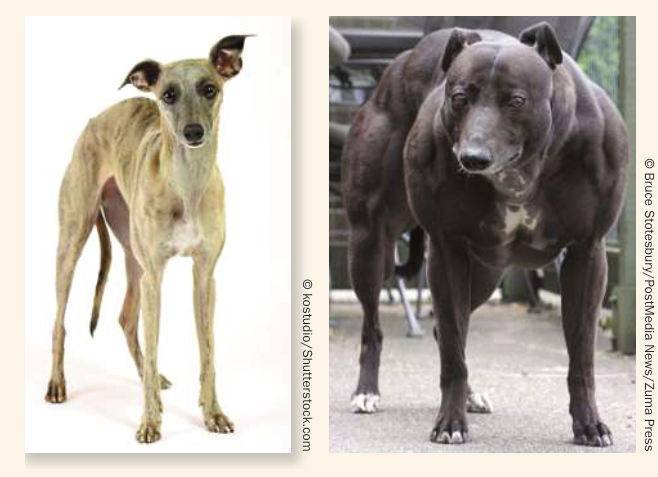
Figure 17.17 Muscular Gene These dogs are both whippets, but the muscle-bound dog (right) has a mutation in the myostatin gene.
Visual Summary
© Shotshop GmbH/Alamy Stock Photo
You should be able to relate each summary to the adjacent figures. If you go to this visual summary in Achieve, you can follow links to figures, animations, activities, and simulations that will help you consolidate the material.
Genomes Can Be Sequenced Rapidly
- ■ High-throughput sequencing generates millions of overlapping reads that can be assembled into contiguous DNA sequences.
- ■ In RNA sequencing (RNA-seq), DNA copies of RNAs are sequenced to determine the kinds and numbers of RNAs being expressed.
- ■ Functional genomics includes genome annotation, which identifies the functional parts of the genome such as open reading frames.
- ■ Comparative genomics provides insights into the evolution of particular genes and organisms.
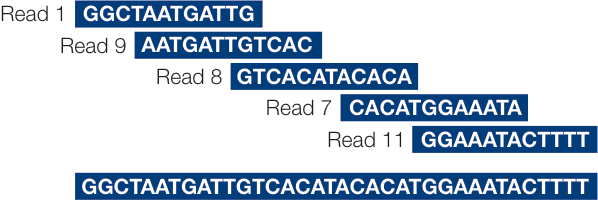
Figure 17.2
Questions
- Arrange the following seven reads into a contiguous DNA sequence: 1. CCATGGTCAA, 2. GTCAAATGCC, 3. ACGGCTTTAT, 4. ATGCCGATTG, 5. TTTATATCGT, 6. ATCGTCCATG, 7. GATTGCGCGG.
- In eukaryotes, RNA sequencing often begins with a step that captures RNAs with a poly A tail, so that only the mRNA is sequenced. What are the advantages of examining only the mRNA?
- Why is it harder to identify open reading frames in eukaryotic genomes than in prokaryotic genomes?
Prokaryotic Genomes Are Compact
- Prokaryotic genomes are small and compact, usually lack introns, and sometimes contain plasmids.
- Metagenomics involves sampling an environment and then sequencing the DNA to identify the organisms that are found there.
- Transposable elements, or transposons, use either the copy and paste method or the cut and paste method to move in the genome. In either case, they can take host genes with them.
Questions
- You have sequenced a microbe with a small genome. What features would suggest the genome is from a prokaryote rather than a eukaryote?
- Why does metagenomics identify more bacterial species in an environment than standard lab culturing methods do?
- Some transposons move by first making RNA copies that are then reverse transcribed into DNA. Do such transposons use cut and paste transposition or copy and paste transposition?
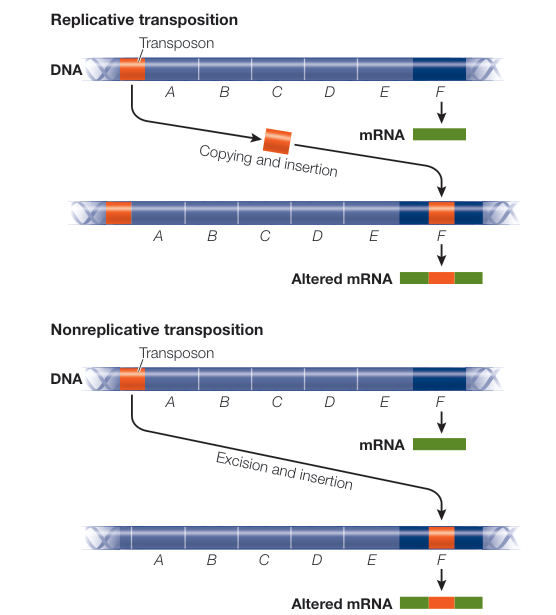
Figure 17.5
Eukaryotic Genomes Contain Many Types of Sequences
- Eukaryotic genomes are often large, with numerous introns and repetitive sequences.
- Large genomes do not necessarily have more protein-coding genes; instead, variation is often due to differences in repetitive DNA.
- Some eukaryotic genes are members of gene families and have similar functions. Some members of gene families are nonfunctional pseudogenes.
- One method for increasing gene expression is gene duplication, which creates new gene copies that are then able to diverge in function.
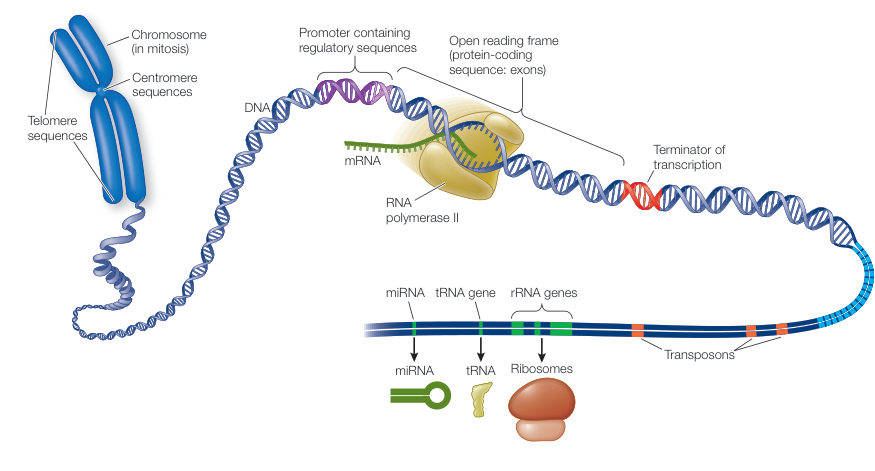
Figure 17.7
Questions
- Eukaryotic microbes such as yeasts have genomes that are not much larger than prokaryotic genomes. What would you predict about the makeup of these genomes compared with those of multicellular eukaryotes?
- A large part of multicellular eukaryotic genomes has been called “junk DNA.” Why do you think this is said?
- What are the two most likely fates of a new gene duplicate?
Human Biology Is Revealed through the Genome
- The human genome is large, with over 50% repetitive DNA and only 1.2% encoding proteins.
- The human genome contains about 20,500 protein-coding genes—substantially fewer than was expected, given that the genome encodes tens of thousands of proteins, which is due in part to alternative splicing.
- SNPs occur about every 1,330 bp and are used to determine ancestry, identify individuals, and find associations between genetic diseases and drug responses (pharmacogenomics).
Questions
- About half the human genome is repetitive DNA. What kinds of repetitive DNA are most common in the genome?
- A patient is prescribed a drug whose metabolism in the body is under the control of known genes and alleles. How could SNP genotyping be used to get information on whether this drug would be effective in this patient?
Proteomics and Metabolomics Can Provide Insights beyond the Genome
- The proteome is the complete set of proteins in a cell, tissue or organisms at a given time.
- The number of proteins in the proteome is substantially larger than the number of protein-coding genes.
- The metabolome consists of all the small molecules in a cell, tissue, or organism under defined conditions.
Questions
- Even in single-cell eukaryotes containing few introns, the number of proteins in the proteome is much larger than the number of protein-coding genes. Why?
- Why might the proteome differ in different tissues?
- Metabolite profiles can be used to determine whether certain pathways in a cell, tissue or organism are functioning correctly. Why might this ability be useful for medicine?
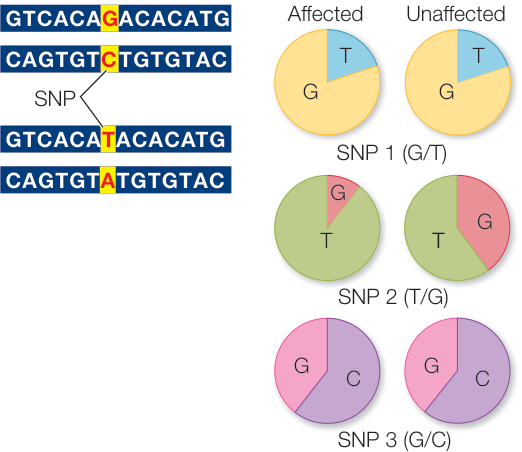
Figure 17.12
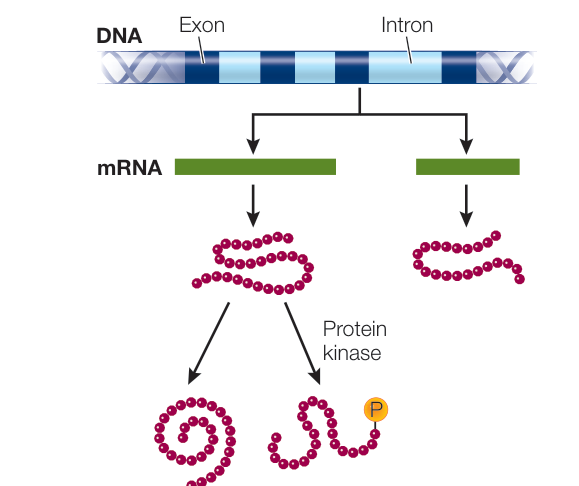
Figure 17.15