Chapter 37Plant Responses to Environmental Challenges
Key Concepts
37.1 Plants Can Sense and Respond to Environmental Stresses
37.2 Plants Respond to Pathogens with Constitutive and Induced Responses
37.3 Plants Have Mechanical and Chemical Defenses against Herbivores
Global climate change is increasing the frequency of severe weather, including droughts and floods. Spring floods can delay or even prevent planting and so decrease agricultural yield.
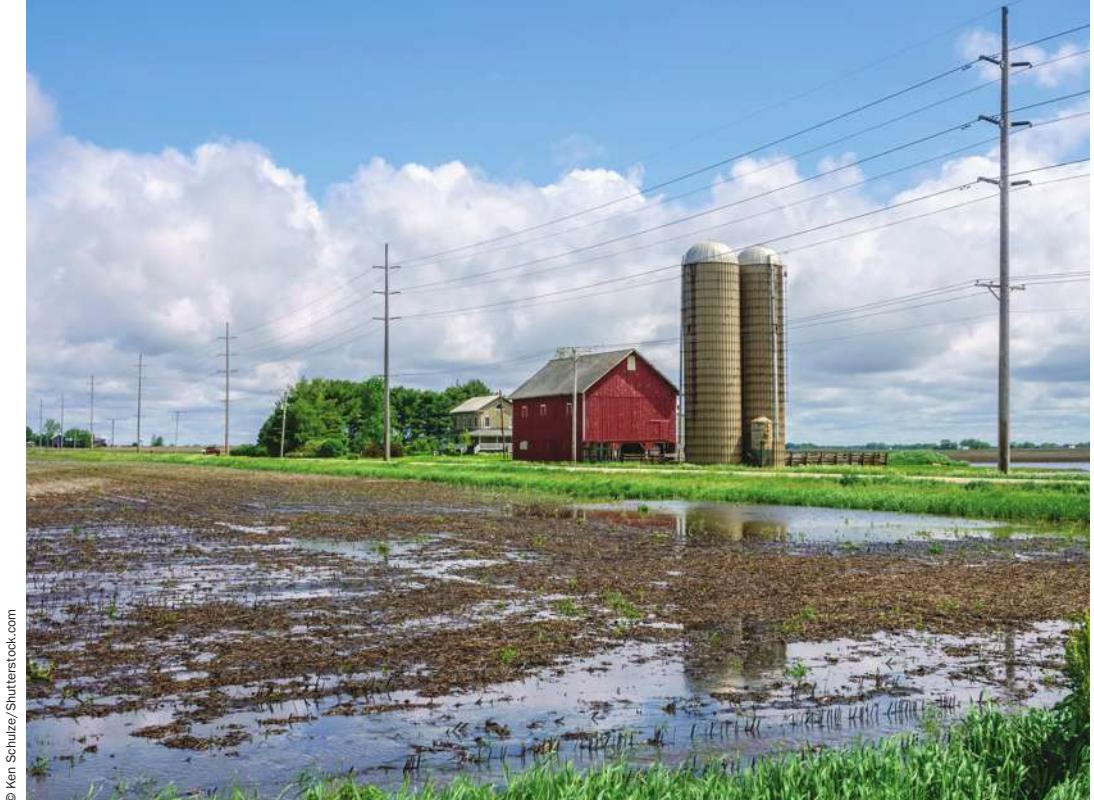
© Ken Schulze/Shutterstock.com
Investigating Life: How Does Global Climate Change Impact Plant Growth?
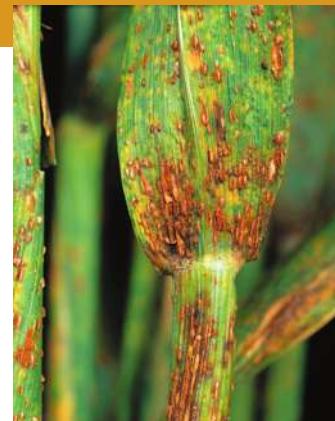
Global climate change encompasses a wide range of environmental factors, including increases in atmospheric carbon dioxide, temperature, the severity of storms, and the incidence of drought. All of these can impact plant growth. Increased levels of CO2 boost the amount of substrate available for photosynthesis and thus can have a fertilizing effect on plant growth. However, this effect can be outweighed by the negative effects of high temperature and changes in precipitation. In addition, if changes in climate affect the timing of plant and pathogen life cycles in an asynchronous manner, plant–pathogen interactions can be strongly affected. Climatic conditions can also affect the extent of an interaction when it does occur. For example, hot, humid conditions that tend to increase stomatal opening can favor infection by fungi, such as the wheat rust shown here, that enter leaves through open stomata. In addition, warmer winter temperatures increase both the percentage of pathogens overwintering and their metabolic rates, which can translate to an increase in plant predation. Models predict that an increase in average global temperature of about 2 degrees Celsius over preindustrial levels would increase the damage done by pests by close to 50% for wheat and about 30% for corn. While the future impact of climate change on agricultural production will depend on the extent of warming and the degree to which people are able to select the most appropriate crops, climate change has already had negative effects on agriculture in some regions, particularly for corn and wheat.
© Nigel Cattlin/Alamy Stock Photo
QA How can plants respond to the environmental challenges posed by global climate change? (Find the answer on page 838.)
Plants Can Sense and Respond to Environmental Stresses
Learning Objectives
- 37.1.1 Describe what types of sensors plants use to perceive their environment.
- 37.1.2 Distinguish between the response (acclimation) an individual plant may have to an environmental condition and an adaptation to that environment.
- 37.1.3 Outline the signaling pathway that allows plants to respond to low soil moisture.
- 37.1.4 Assess how well the rate of dark reversion of phytochrome fits the criteria of what a temperature sensor should be.
- 37.1.5 Describe ways in which plants respond to extremes of soil moisture content or temperature to minimize their harmful effects.
Plants are threatened by many aspects of the physical environment, such as drought, waterlogged soils, and extreme temperatures (Table 37.1). Plants cope with environmental stresses through adaptation or acclimation.
- Adaptation is a genetically encoded strategy for maximizing survival and reproduction in a particular environment. A plant may have structures or biochemical properties that aid in its survival in the face of environmental challenges. Adaptations are the result of evolution by natural selection.
- Acclimation is increased tolerance for environmental extremes following exposure to them. An individual plant previously exposed to cold, for example, may be more likely to survive the subsequent winter.
Before a plant can acclimate to a particular environmental challenge, the plant must sense that aspect of the environment. Although plants do not have eyes, they do have photoreceptors that allow them to sense the intensity and wavelengths (color) of light. Plant root systems are able to sense levels of dissolved nutrients, and leaves can detect levels of volatile (gaseous) compounds in the air around them—capacities that share something with our own senses of taste and smell. Plants can also sense attack by pests and pathogens. Once a threat has been perceived, plants have an opportunity to mount appropriate responses. The following sections describe some of the ways in which plants sense and respond to their environment.
Plant growth is limited by water availability
Inadequate water supply is one of the primary factors that limits plant growth. In the future, water resources are predicted to become more scarce. Additionally, global climate change is expected to increase the extent of water limitation on plant growth through increased temperatures, which promote evaporation, and through an increase in drought, particularly in regions that already tend to be dry.
When the weather is abnormally dry, the water potential (see Key Concept 33.1) of the soil declines (becomes more negative). Water moves to the region with the lowest water potential, so a low water potential in the soil makes it more difficult for a plant to take in water. If a plant’s roots cannot take up water from the soil, the plant cannot grow. Water is needed to keep cells hydrated, to drive the transport of nutrients and sugars through the plant, and to produce the turgor pressure that drives cell expansion. Extreme water deficits in plant cells also reduce membrane integrity as the polar–nonpolar forces that orient the lipid bilayer are reduced, and lead to changes in the three-dimensional structures of proteins. In some cases, the changes cause proteins to form nonfunctional aggregates (clumps). A plant can suffer irreversible damage when the structure of its cells is compromised in these ways.
Hormonal signaling promotes response to drought stress
When plants sense water deficit, a signaling pathway is set in motion that initiates several measures to conserve water and maintain cellular integrity. This pathway begins with the production of the hormone abscisic acid (ABA) in leaves and roots (Figure 37.1). ABA affects the cells that it reaches by binding to a soluble protein receptor, thereby setting off a series of reactions that end up (a) affecting the opening and closing of specific ion channels and (b) regulating the expression of specific genes. The signal transduction cascade that leads to these changes is initiated when ABA binding to its receptor causes the conformation (shape) of the receptor to change. In this new conformation, the ABA receptor can bind to and inactivate a protein phosphatase (an enzyme that removes phosphate groups from other proteins). Inactivation of this protein phosphatase affects the structure and activity of many proteins, and thus affects the activities of the cell. In the end, high levels of ABA promote stomatal closure and, in some cases, increase the resistance to water flow through the rest of the plant. As a result, the amount of water lost via transpiration decreases. ABA also affects root growth such that mild drought often results in an increase in root biomass.
Table 37.1 Environmental Stresses on Plants
| Condition | Effect on plants |
|---|---|
| Drought | Reduced water potential, dehydration |
| Flooding | Reduced and respiration |
| High temperature | Changes in membrane fluidity and in proteins |
| Low temperature | Changes in membrane fluidity, damage by ice crystals |
| Salinity | Reduced water potential, dehydration |
| Metal element toxicity | Disruption of metabolism |
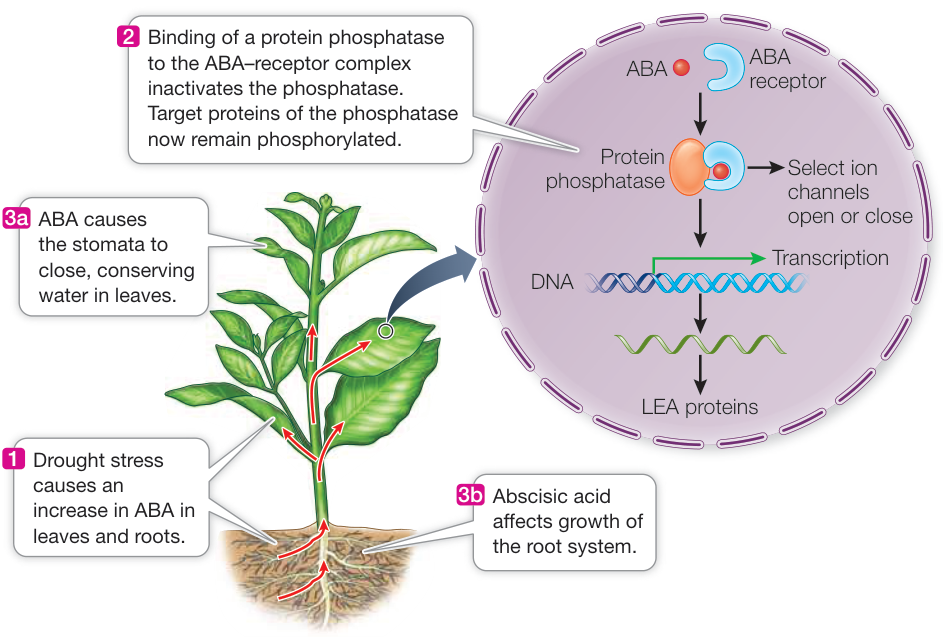
Figure 37.1 Plants Respond to Water Stress by Producing the Hormone Abscisic Acid (ABA) ABA protects plants against water stress by closing stomata, changing gene expression, and altering root architecture.
Many plant genes whose expression is altered by drought stress have been identified, largely through research using DNA microarrays, proteomics, and other molecular approaches. One group of proteins in which production is upregulated during drought stress is the late embryogenesis abundant (LEA; pronounced “lee-yuh”) proteins (see Figure 37.1). These hydrophobic proteins also accumulate in maturing seeds as they dry out (hence their name). The LEA proteins bind to membrane proteins and other cellular proteins to stabilize them, preventing them from clumping together and losing function as seeds dry out.
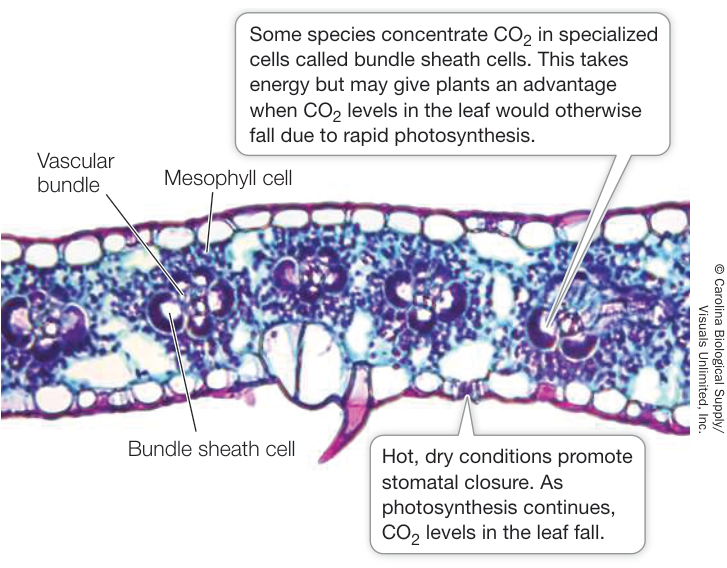
Figure 37.2 C4 Photosynthesis Many plants adapted for C4 photosynthesis have altered leaf anatomy, allowing CO2 to be concentrated in specialized cells called bundle sheath cells.
Some plants have special adaptations for life in very dry conditions
In contrast to short-term acclimation to the environment that occurs via induced responses during the life of an individual plant, some plant species have evolved constitutive adaptations—defenses that are always present—that allow them to survive in low-water environments. Many of these adaptations prevent or reduce the inevitable water loss through transpiration that occurs during active photosynthesis. Other adaptations help plants tolerate the high levels of light and heat that are often found in deserts. Understanding the constitutive adaptations present in plants that grow in dry environments is of particular interest to scientists who want to increase the drought resistance of crop plants in hopes of better suiting them to present and future climatic conditions. This remains a challenging goal, however, as adaptations that improve drought tolerance often decrease plant yield. Understanding plant adaptations is also valuable in adding to a general appreciation of how plants survive. Here we describe several examples of constitutive adaptations of xerophytes (Greek xeros, “dry,” + phyte, “plant”)—plants adapted to dry environments.
ADAPTATIONS FOR PHOTOSYNTHESIS The primary photosynthetic pathway described in Chapter 10 is called C3 photosynthesis. Some plants, including some xerophytes that are adapted to life in hot climates, have an adaptation called C4 photosynthesis that allows them to bind CO2 in cells located near the stomata and then release it in cells surrounding the vasculature—the bundle sheath cells that exist in plants that employ this photosynthetic strategy (Figure 37.2; see also Figure 10.17A). Because this system concentrates CO2 in the inner cells, it requires some energy, but it avoids some of the added costs incurred when stomatal closure causes CO2 levels in the leaf to fall. C4 photosynthesis reduces the amount of water lost for each molecule of CO2 fixed. Other plants, generally succulents, employ crassulacean acid metabolism (CAM) for photosynthesis, which allows them to open their stomata only at night when it is cooler (see Figure 10.17B). CO2 taken in during the night is incorporated into an organic acid and stored until daylight when it is re-released in chloroplasts undergoing the light reactions. The amount of CO2 taken up by this mechanism is reduced, so CAM plants grow more slowly, but because the amount of water lost during CAM is drastically reduced, it can be advantageous in areas such as deserts where growth would otherwise not occur.
LEAF STRUCTURES Additional structural adaptations found in the leaves of many xerophytes include a thick cuticle and a profusion of trichomes (leaf hairs) over the leaf epidermis, which retard water loss by trapping moist air next to stomatal openings. Trichomes can also diffract and diffuse sunlight, thereby decreasing the intensity of light impinging on the leaves and the risk of damage to the photosynthetic apparatus by excess light.
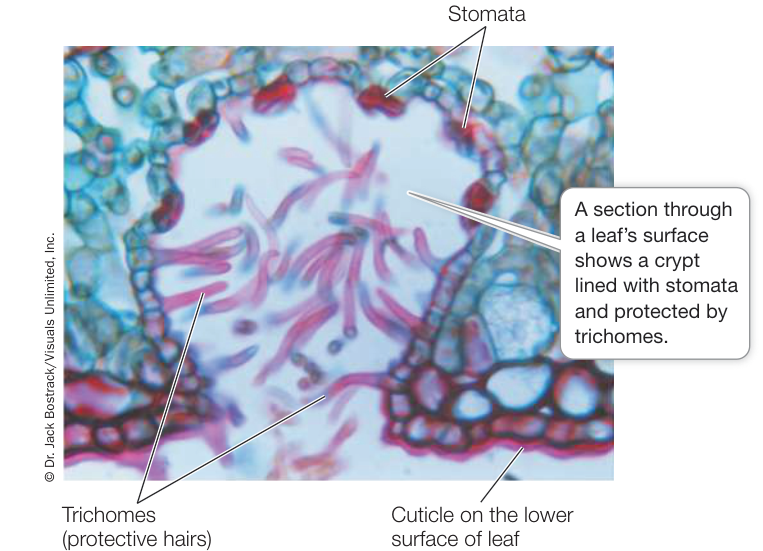
Figure 37.3 Stomatal Crypts Stomata in the leaves of some xerophytes are located in sunken cavities called stomatal crypts. This close-up of a single crypt shows the sunken stomata and the trichomes (hairs) that surround them and cover the entrance to the crypt. The trichomes trap moist air. Note also the thick cuticle that prevents water loss from the leaf.
In some xerophytes the stomata are located in sunken cavities below the leaf surface, known as stomatal crypts, where they are sheltered from the drying effects of air currents (Figure 37.3). Trichomes surrounding the stomata slow air currents further. Cacti and similar plants have spines rather than typical leaves, and photosynthesis is confined to the fleshy stems. The spines may help the plants cope with desert conditions by reflecting solar radiation or by dissipating heat. Spines also deter herbivores.
ADAPTATIONS FOR OBTAINING AND STORING WATER Xerophytes and other plants that must cope with inadequate water supplies may modify their root structures. Cacti have shallow but extensive fibrous root systems that effectively intercept water at the soil surface following even light rains. Mesquite (Prosopis), common in the arid southwestern United States and Mexico, obtains water through taproots that grow to great depths, reaching water supplies far underground, as well as from condensation on its leaves. Succulence—the possession of fleshy, water-storing leaves or stems—allows plants to take up large amounts of water when it is available (such as after a brief thunderstorm) and then draw on the stored water during subsequent dry periods. Cacti are an example of succulent plants. Succulents can also have a reduced number of stomata, which further reduces water loss. Some species of plants accumulate high concentrations of the amino acid proline or of secondary metabolites in their vacuoles. This solute accumulation lowers the water potential in a plant’s cells below that in the soil, which allows the roots to take up water via osmosis. Some plants also accumulate solutes in response to current environmental conditions, as described in the section on saline environments.
DROUGHT ESCAPE Some desert plants have no special structural adaptations for water conservation. Instead, these desert annuals, called drought escapers, simply evade periods of drought. Drought escapers carry out their entire life cycle—from seed to seed—rapidly to exploit the brief period in which rainfall makes the surrounding desert soil sufficiently moist for growth and reproduction (Figure 37.4). A different strategy is seen in some deciduous perennial plants, particularly in Africa and South America, that reduce their surface area by shedding their leaves in response to drought, and so conserve water. These plants remain dormant until conditions are again favorable for growth.
Plants can acclimate to salty soil
Salty, or saline, environments (high in , , , and ) are found in nature in diverse locales, from hot, dry deserts to moist, cool coastal marshes. Rising sea levels and storm surges bring salty water to coastal plant communities. In addition, agricultural land can become increasingly saline as a result of irrigation as sodium that is dissolved in the irrigation water is left behind when the water evaporates. In ancient times, the region between the Tigris and Euphrates Rivers (in what is now Iraq) was once highly fertile, but extensive irrigation canals brought salts that accumulated and raised the water table, which was salty. Ancient records show a shift in production from salt-sensitive to salt-resistant crops and a decline in yield. Salinization, which can eventually make land unsuitable for farming, continues to be a problem worldwide today (Figure 37.5).
Because of its high salt concentration, a saline environment has a very negative water potential. To obtain water from such an environment, a plant must have an even more negative water potential; otherwise water will move out of its cells, and the plant will wilt and die. Plants can attain water potentials that are lower than the surrounding soil by accumulating solutes in their cells. Because sodium at high levels can inhibit enzymes and protein synthesis, plants accumulate solutes other than sodium. Accumulation of the amino acid proline is a common response.
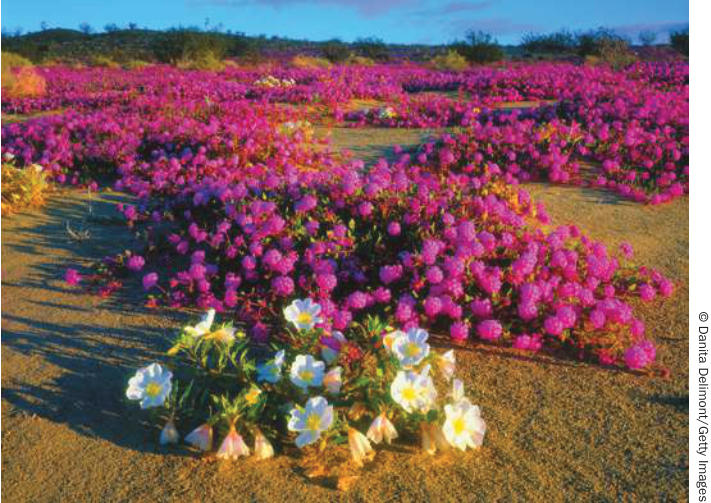
Figure 37.4 Desert Annuals Escape Drought The seeds of many desert annuals lie dormant for long periods, awaiting conditions appropriate for germination. When they do receive enough moisture to germinate, they grow and reproduce rapidly before the short wet season ends. During the long dry spells, only dormant seeds remain alive.
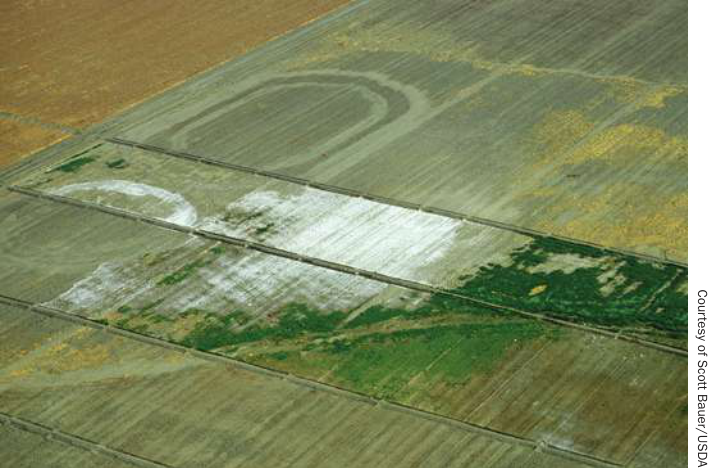
Figure 37.5 Salty Soil Accumulation of salt from irrigation water with inadequate drainage has caused this soil in central California to become unsuitable for most plant growth.
Plants are not simply inhibited by salt. They actively perceive and respond to it. The sensor(s) that allow plants to perceive water potential and sodium levels are still the subject of debate. Because exposure to low water potentials will decrease the turgor pressure inside cells, proteins in the cell membrane that are sensitive to how stretched the membrane is or that measure the distance between the membrane and the cell wall are possible options for sensors. Whatever the sensor, ABA levels often increase in response to salty soils and can have species-specific effects on root architecture. Plants can also respond to increasing concentrations of salt by growing away from them, a process called halotropism (halo, “salt”). Halotropism is mediated by auxin. Auxin becomes redistributed in the root such that roots grow away from the region of highest salt concentration.
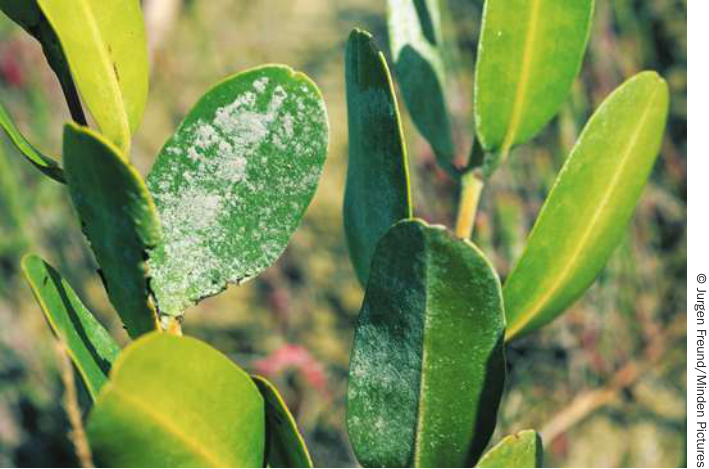
Figure 37.6 Excreting Salt This saltwater mangrove plant has special salt glands that excrete salt, which appears here as crystals on the leaves.
Plants that are adapted for survival in saline soils are called halophytes. Most halophytes take up , and many take up , into their roots and transport those ions to their leaves, where they accumulate in the central vacuoles of leaf cells, away from more sensitive parts of the cells. The accumulated salts in the tissues of halophytes make their water potential more negative than that in the soil solution and allow them to take up water from their saline environment. Some halophytes have salt glands in their leaves that excrete salt, which collects on the leaf surface until it is removed by rain or wind (Figure 37.6). This adaptation, which reduces the danger of poisoning by accumulated salt, is also found in some desert plants. The negative water potential in the salt-laden leaves also promotes water flow from the roots up through the xylem by the transpiration–cohesion–tension mechanism (see Key Concept 33.2).
Some plants grow in saturated soils
For some plants, the environmental challenge is too much water, the opposite of that faced by xerophytes. Some plants live in environments so wet that the diffusion of oxygen to their roots is severely limited. These plants have shallow root systems that grow slowly; oxygen levels are likely to be highest near the surface of the soil, and slow growth decreases the roots’ need for oxygen.
The root systems of some plants adapted to swampy environments, such as cypresses and some plants that grow in coastal mangrove habitats, have pneumatophores, which are extensions that grow out of the water and up into the air (Figure 37.7A). Pneumatophores contain lenticels (openings; see Figure 32.21) that allow oxygen to diffuse through them, aerating the submerged parts of the root system.
Many submerged or partly submerged aquatic plants have large air spaces in the leaf and stem parenchyma and in the petioles. Tissue containing such air spaces is called aerenchyma (Figure 37.7B). Aerenchyma stores oxygen produced by photosynthesis and permits its ready diffusion to parts of the plant where it is needed for cellular respiration. Aerenchyma also imparts buoyancy. Furthermore, because aerenchyma contains far fewer cells than most other plant tissues, metabolism in aerenchyma proceeds at a lower rate, so the need for oxygen is much reduced.
You may be familiar with rice paddies, where rice grows in a flooded environment. The strains of rice that thrive there—and provide food for millions—have hollow stems like straws, so that air can be supplied to submerged parts of the plant. Remarkably, these strains also have genes that respond to flooding due to heavy rains, by stimulating the plant to grow faster and keep the leaves above the water surface. These genes, appropriately called SNORKEL-1 and SNORKEL-2, encode transcription factors that stimulate the expression of genes involved in cell elongation.
Plants can cope with temperature extremes
Plant growth and development are highly responsive to temperature. In many species, warm temperatures can increase the rate of stem elongation. In many spring-blooming species, warm temperatures can promote early flowering. More rapid flowering and stem elongation are not simply passive accelerations of processes that were occurring at lower temperatures—they are active cellular responses that involve changes in gene expression. A signal can only induce a response if it is perceived, so the existence of temperature responses means that plants must have a receptor that allows them to perceive the current temperature. When plants receive a signal in the form of a soluble molecule such as ABA, auxin, or nitrate, binding of the signal molecule to its receptor changes the conformation and chemistry of the receptor in ways that affect its interaction with other molecules. When the signal is light, photoreceptors—proteins that contain pigments that absorb photons—similarly change their conformation and set off signal transduction pathways. What happens when the signal is temperature? What sort of a receptor can detect a change in temperature?
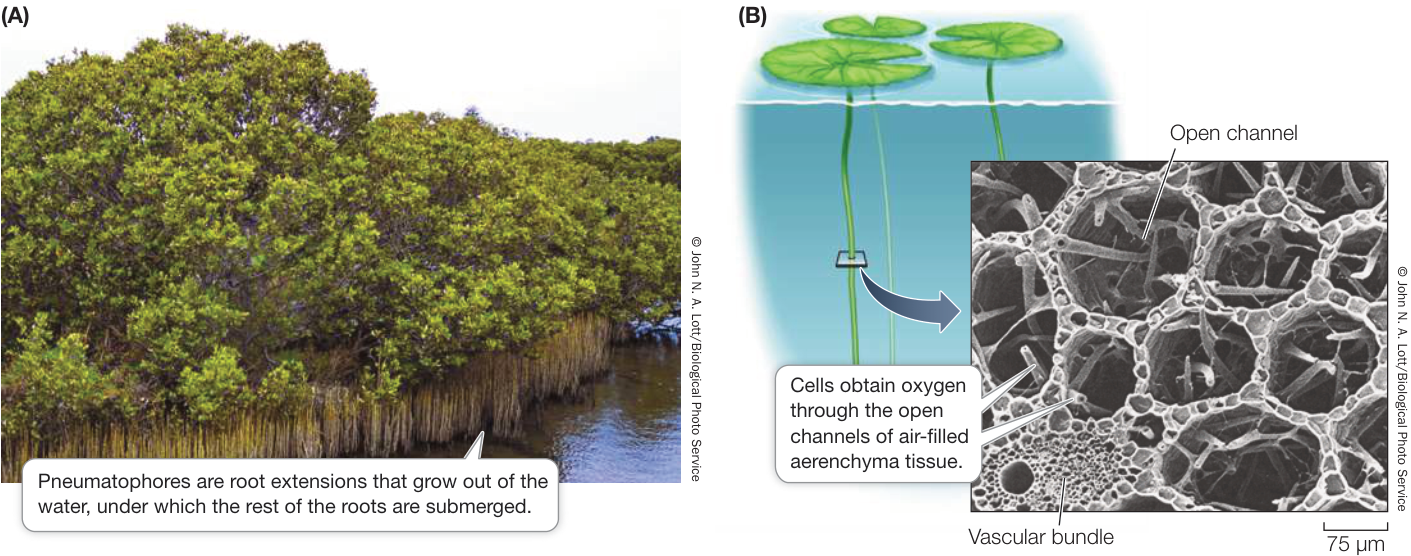
Figure 37.7 Coming Up for Air (A) The roots of these mangroves obtain oxygen through pneumatophores. (B) This scanning electron micrograph of a cross section of a petiole of the yellow water lily shows the structure of the air-filled channels that make up aerenchyma tissue.
Dark reversion of phytochrome may serve as a temperature sensor
Exciting new data suggest that phytochrome may act as a temperature sensor as well as a light sensor. The amount of active phytochrome () in a plant depends on the intensity and wavelengths of light to which it is exposed (Figure 37.8), and on the rate at which the active reverts to the inactive state. This is like saying that the amount of water in a bathtub depends on the rate at which water flows into it and the rate at which the tub drains. Reversion of the active to the inactive (draining of the tub) can occur if the plant is exposed to far-red light. In addition, can revert to on its own without the addition of far-red light; this process is called dark reversion because it does not require light. However, dark reversion actually occurs both in the light and the dark. If the rate at which dark-reverts to speeds up as the temperature rises, then the amount of in a plant will decline, even if the light exposure stays the same. This idea was tested by exposing plants to continuous red light, which produces the active at a constant rate (e.g., the rate at which the tub filled was held constant). When this experiment was done at different temperatures, higher temperatures resulted in lower amounts of (e.g., higher temperatures must have increased the rate at which the tub drained) (see Figure 37.8B). Might the rate at which phytochrome dark-reverts from the active to the inactive state convey information about temperature to the plant and thus serve as a temperature sensor?
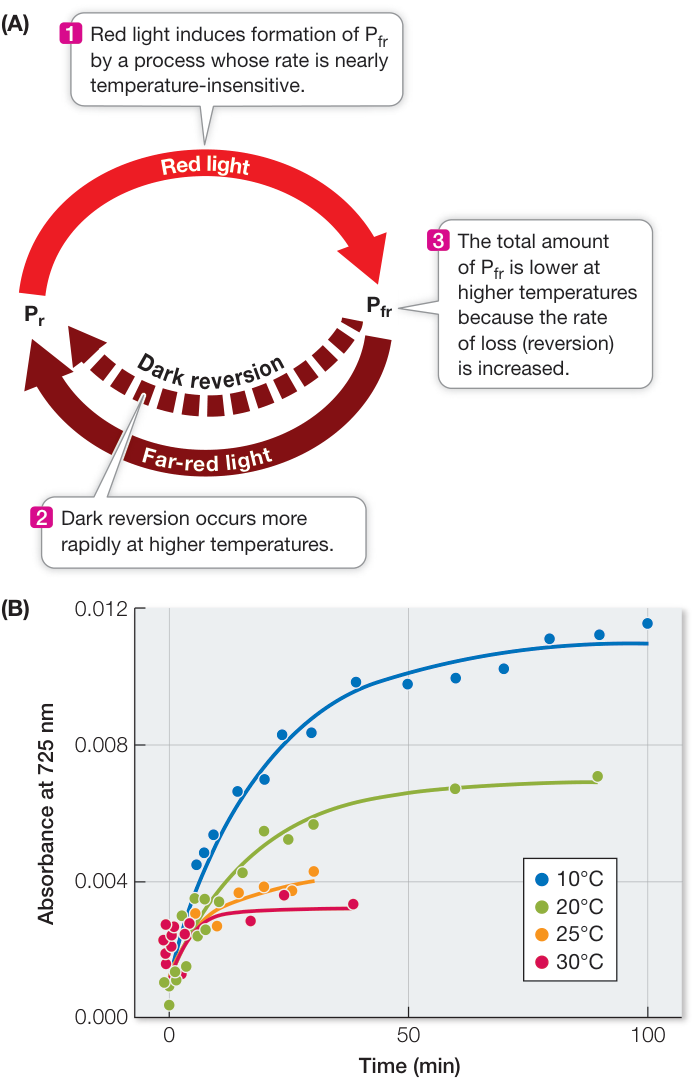
Figure 37.8 Dark Reversion of Phytochrome Is Temperature-Sensitive (A) The form of phytochrome can revert to the form by exposure to far-red light or by a light-independent process called dark reversion. (B) The total amount of phytochrome present when continually illuminated with dim red light depends on the temperature, as would be expected if the rate of dark reversion is temperature-dependent. (B after M. Legris et al. 2016. Science 354: 897–900.)
To determine whether phytochrome has a causal effect on plant response to temperature, researchers compared the ability of normal (wild-type) plants to respond to temperature with that of plants in which phytochrome was disrupted. Two responses that plants have to temperature were observed:
- In wild-type plants, stem elongation occurs more rapidly in warm temperatures than in cold temperatures. In plants that lack functional phytochrome, this temperature response is disrupted. Stems of phytochrome mutants grown in cold temperatures are longer than normal, indicating that the presence of phytochrome represses stem elongation (Figure 37.9).
- Wild-type plants also respond to warm temperatures by increasing the expression of some genes during the night. Might phytochrome, which can act as a transcription factor, be responsible for some of the temperature-dependent changes in gene expression that occur during the night? When the phytochrome gene is mutated such that forms but can never dark-revert to (e.g., such that phytochrome is always active), the temperature-responsive expression of many genes is lost.
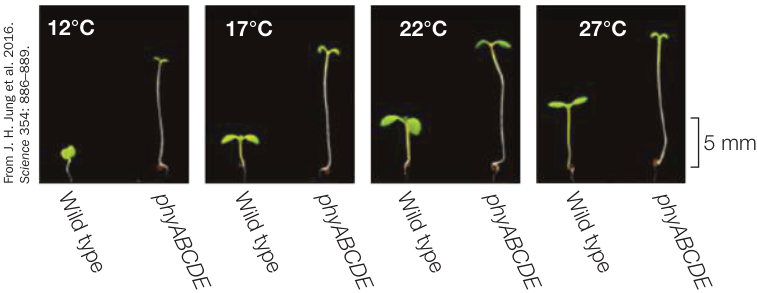
Figure 37.9 Temperature-Dependent Stem Elongation Requires Phytochrome CHAPTER 37 Plant Responses to Environmental Challenges An Arabidopsis thaliana quintuple mutant that does not make functional phytochrome, phyABCDE, does not exhibit the temperature-dependent elongation response seen in wild-type plants. Q: Are the mutants that lack phytochrome shorter or taller than wild-type plants when grown in the cold? Does phytochrome promote or inhibit stem elongation? Among the many environmental challenges that plants face are those of drought, saline soils, and extreme temperatures. Plants survive these through a combination of structural adaptations and physiological responses. Plant scientists are working to discover the various sensors that permit plants to perceive a wide variety of stimuli. Mechanisms that protect plants from drought stress are initiated by a signaling pathway involving abscisic acid.
Together, these data suggest that phytochrome may serve as a temperature sensor in plants—a separate, second function for this remarkable protein.
Plants respond to temperature in many ways
Plants expand the range of temperatures that they can survive by mounting specific responses to temperature. As discussed earlier, cold temperatures generally repress growth. On a subcellular scale, temperature can affect membrane fluidity and alter membrane permeability to solutes. High temperatures cause membranes to become more fluid, while low temperatures cause membranes to become less fluid. These changes have strong effects on cellular function: imagine the impact on cell activity if the ATP-generating enzyme ATP synthase could not move rapidly in the membrane! Many plant species can adjust to cold temperatures through a process called cold-hardening, which requires repeated exposure to moderately cool temperatures over many days. A key change during cold-hardening is an increase in the proportion of unsaturated fatty acids in cell membranes, which allows them to retain their fluidity and function normally at cooler temperatures. Plants have a greater ability to modify the degree of saturation of their membrane lipids than animals do. In addition, low temperatures induce the formation of proteins that protect against chilling injury.
If ice crystals form within plant cells, they can kill the cells by puncturing organelles and cell membranes. Furthermore, the growth of ice crystals outside the cells can draw water from the cells and dehydrate them. Freeze-tolerant plants have a variety of adaptations to cope with these problems, including the production of antifreeze proteins that slow the growth of ice crystals.
Plants have inducible responses to hot temperatures
Plant species differ in their sensitivity to temperature, but all plants have their limits. High temperatures destabilize membranes and denature many proteins, especially some of the enzymes of photosynthesis. Heat stress can also have a strongly negative effect on pollination. The plant inducible response to heat stress is similar to the response to drought stress in that new proteins are made, often under the direction of an abscisic acid—mediated signaling pathway. Within minutes of experimental exposure to raised temperatures (typically an increase of 5–10 degrees Celsius), plants synthesize several kinds of heat shock proteins. Some heat shock proteins (called chaperonins) help maintain the activities of the cytoplasm by assisting other proteins in maintaining their folded structure. Threshold temperatures for the production of heat shock proteins vary, but 39°C is sufficient to induce them in most plants.
Recap and Assess
Halophytes have several adaptations to saline habitats, many of which involve mechanisms that lower their water potential. Recent evidence suggests that phytochrome may act as a temperature sensor, because the rate of dark reversion is temperature-sensitive. This would be a second function for phytochrome (light perception being the first).
- Colleagues in plant physiologist José Dinneny’s laboratory discovered that when Arabidopsis thaliana roots were exposed to two different environments, one wet and one dry, lateral roots formed preferentially on the wet side. They termed this process hydropatterning. Is hydropatterning an example of an adaptation or an acclimation?
- If an inhibitor of ABA synthesis was sprayed on a plant and the plant was exposed to drought conditions, what would happen?
- In the coming decades, climate change will impact the growth and
productivity of plants, including the crops on which we depend for our
food. For each of the environmental conditions given here, describe the
types of physiological stress plants may undergo and give examples of
possible responses that plants may mount to reduce the effects of those
stresses.
- In Pakistan, reduced rainfall causes a reduction in wheat yields.
- In the Mekong Delta of Vietnam, rising sea level induces rice fields, causing a drastic reduction in yields.
- What attributes does something need to have in order to qualify as a receptor? To what extent does the dark reversion of phytochrome meet those standards?
The ability of plants to persist in the natural world requires not only that they deal successfully with challenges such as heat and drought that are part of the abiotic environment; plants also need to fend off biotic threats—the pests and pathogens that attack them. In the next key concept we describe plant responses to pathogens (organisms that can infect plants).
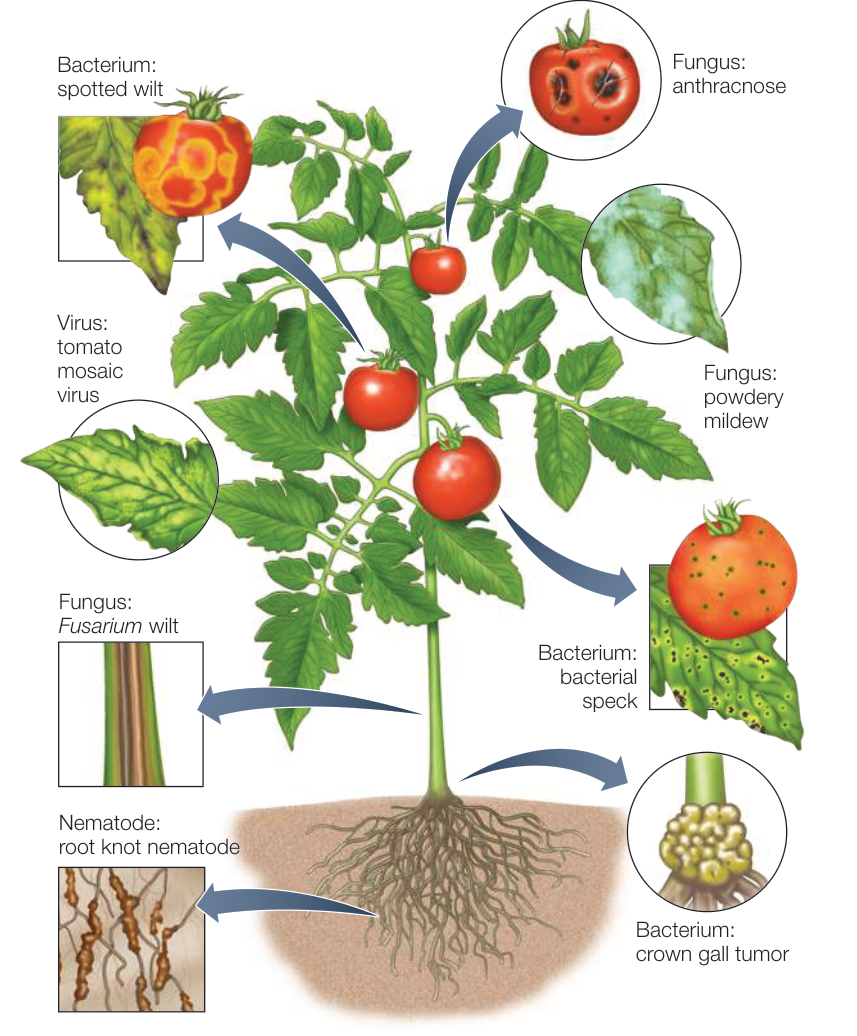
Figure 37.10 Diseases of Tomato Plants A wide variety of disease agents cause a variety of symptoms. Q: As in animals, diseases in plants are caused by a wide variety of organisms. Can you name human diseases caused by the four types of agents described in this figure?
Plants Respond to Pathogens with Constitutive and Induced Responses
Learning Objectives
- 37.2.1 Compare and contrast general immunity and specific immunity.
- 37.2.2 Apply the concept of the genetic “arms race” between plants and their pathogens to the evolution of R (resistance) genes and Avr (avirulence) genes.
- 37.2.3 Describe and discuss the types of responses that plants have to pathogen attack: gene-for-gene resistance, the hypersensitive response, systemic acquired resistance, and production of siRNAs.
It is remarkable that plants, which are composed largely of edible material and are unable to get up and run away, survive given all the living organisms that might benefit from attacking them. Thousands of diseases affect plants, each caused by a different strain of pathogen. Plant pathogens include bacteria, fungi, protists, nematodes, and viruses. For example, many pathogens affect tomato plants, some of which may be familiar to you from growing tomatoes in your backyard or finding spoiled tomatoes in a neglected area of your kitchen (Figure 37.10).
Many plant diseases are named for the symptoms rather than the agent that causes them. For example, the condition called “blight,” characterized by browning and death of plant tissues, can be caused by bacteria, fungi, or oomycetes. Successful infection by a pathogen can have significant effects on a plant, reducing photosynthesis and causing massive cell and tissue death. Plants are able to persist because they have a wide variety of systems for recognizing and fighting off disease. Plants and pathogens have evolved together in a continuing “arms race”: pathogens have evolved ways to attack plants, and plants have evolved ways to defend themselves against those attacks.
What determines the outcome of a battle between a plant and a pathogen? The key to success for the plant is to respond to information from the pathogen quickly and massively. Plants use both mechanical and chemical defenses in this effort. These defenses can either be:
- Constitutive, always present in the plant, or
- Induced, produced in reaction to damage or stress
Physical barriers can be constitutive or induced defenses
A plant’s first line of defense is its outer surfaces, which can prevent the entry of pathogens. As Chapter 32 described, the organs of a growing plant that are exposed to the outside environment are largely covered with cutin, suberin, and waxes. These constitutive defenses not only prevent water loss by evaporation but can also prevent fungal spores and bacteria from entering the underlying tissues. Some fungi get around this defense by secreting enzymes that hydrolyze these substances, breaking them down to gain entry.
Another way in which plants can use physical barriers to limit infection is by the rapid deposition of additional polymers on the inside of the cell wall. This is an example of an induced response because it occurs only after an infection has begun. The newly deposited macromolecules not only reinforce the mechanical barrier formed by the cell wall, but also block the plasmodesmata, limiting the ability of viral pathogens to move from cell to cell. The polysaccharides also serve as a base on which lignin, a polymer that provides strength and rigidity, may be laid down. Lignin enhances the mechanical barrier, and the toxicity of lignin precursor chemicals makes the cell inhospitable to some pathogens.
Induced responses are triggered by elicitors
Before a plant can mount an induced response to a pathogen, the plant must sense that an infection is occurring. A wide range of molecules called elicitors have been identified that trigger plant defenses. These molecules vary in character, from peptides made by bacteria to cell wall fragments from fungi. Elicitors can also be derived from fragments of plant cell wall components broken down by pathogens.
The responses of plants to elicitors can be described in terms of the “plant immune system.” Two forms of immunity are recognized (Figure 37.11):
- General immunity is triggered by general elicitors called pathogen associated molecular patterns (PAMPs). PAMPs are usually molecules that are produced by entire classes of pathogens, such as flagellin (found in bacterial flagella) or chitin (found in fungal cell walls). Thus general immunity is an overall response rather than a response that is triggered by a specific pathogen in a particular plant. PAMPs are recognized by transmembrane receptors called pattern recognition receptors (PRRs), which activate signaling pathways that lead to general immunity.
- Specific immunity is triggered by specific elicitors called effectors. Effectors include a wide variety of specific pathogen-produced molecules. Effectors bind to plant
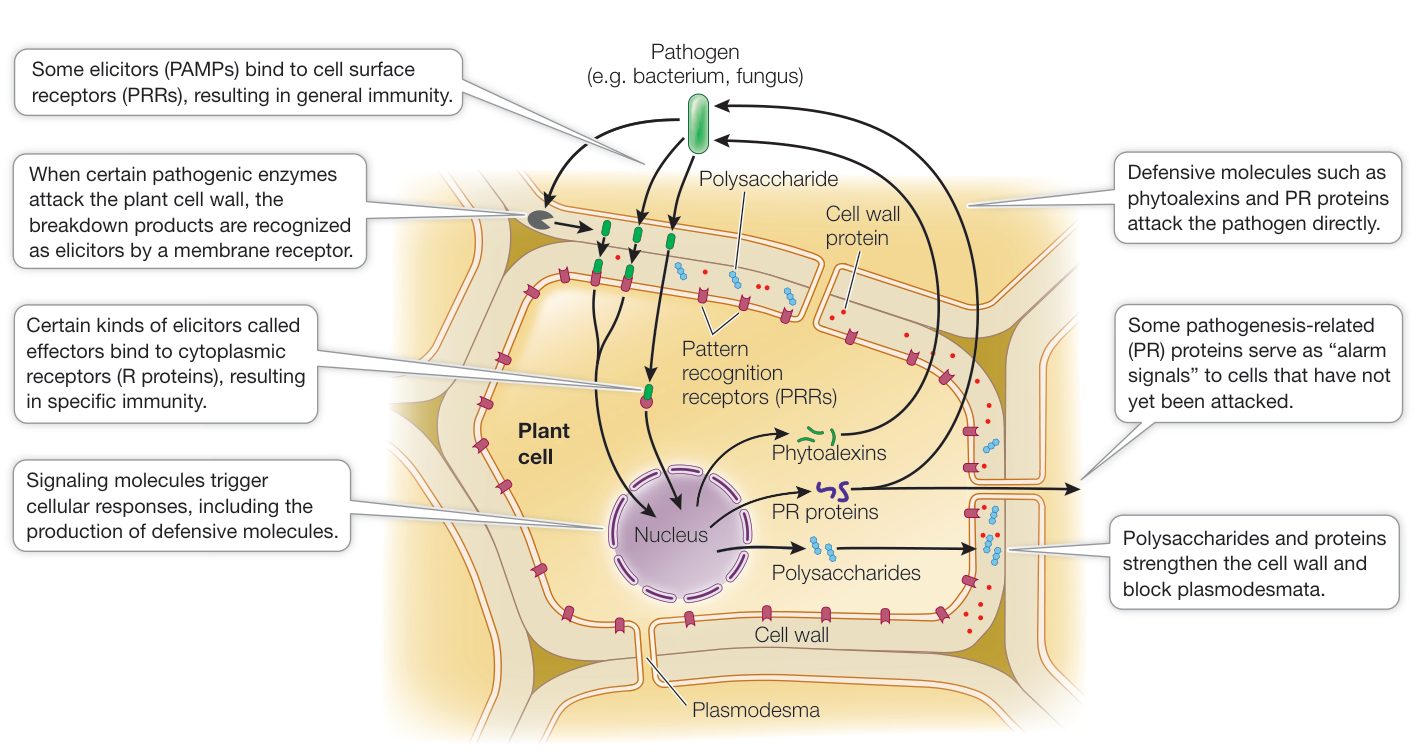
Figure 37.11 Signaling between Plants and Pathogens Molecular interactions between plants and pathogens are highly coevolved. The presence of a pathogen stimulates the plant to produce defensive molecules that work in many different ways.
Q: Would you expect these defensive molecules to be expressed in the cells of roots or leaves, or in both?

Animation 37.1 Signaling between Plants and Pathogens receptors called R proteins (discussed in more detail in the next section) that trigger the specific immunity response.
Many of the signaling pathways associated with general and specific immunity are the same, although the signals that induce them are different. Both forms of immunity involve signaling pathways that are triggered by binding between the elicitors (either PAMPs or effectors) and their receptors. These pathways lead to various responses:
- Formation of NO and reactive oxygen: Receptor binding triggers the rapid production of nitric oxide (NO) and reactive oxygen species such as superoxide and hydrogen peroxide. These reactive molecules are toxic to some pathogens, and they are components of signal transduction pathways leading to local and systemic (plantwide) defenses.
- Callose deposition: The -1,3-glucan polymer callose is deposited on the inside of the cell wall to strengthen the wall and seal off the cell.
- Hormonal signaling: Some pathways result in the production of plant hormones, including salicylic acid and jasmonic acid. We describe the roles of these hormones in plant immunity later in the chapter.
- Changes in gene expression: Signal transduction cascades lead to changes in gene expression. The upregulated genes include pathogenesis-related (PR) genes and genes encoding the production of antimicrobial substances called phytoalexins.
Plants produce several types of pathogenesis-related (PR) proteins. Some are enzymes that break down the cell walls of pathogens. Chitinase, for example, is a PR protein that breaks down chitin, which is found in many fungal cell walls. In some cases the breakdown products of the pathogen cell walls serve as elicitors that trigger further defensive responses.
Another class of PR proteins are the plant defensins, which are similar to defensins produced by animals (see Key Concept 40.2). These small peptides bind to fungal membranes and are toxic to a wide range of fungal targets, but they are not toxic to plant or animal cells. Other PR proteins may serve as alarm signals to plant cells that have not yet been attacked. In general, PR proteins appear not to be rapid-response weapons; rather, they act more slowly, perhaps after other, faster responses have blunted the pathogen’s attack.
Phytoalexins are antibiotics produced by infected plants and are toxic to many fungi and bacteria. Most are small molecules, and each is made by only a few plant species. They are elicited by effectors of pathogenic bacteria and fungi and are made within hours of the onset of infection. Because their antimicrobial activity is nonspecific, phytoalexins can destroy many species of fungi and bacteria in addition to the one that originally triggered their production. Some phytoalexins can also kill the plant cells that produced them, thus sealing off the infection site (the hypersensitive response, discussed shortly).
An example of a phytoalexin is camalexin, made by the model organism Arabidopsis thaliana. Its production is induced by a conserved protein kinase cascade that is triggered by receptor binding in either general or specific immunity. This protein kinase cascade results in the upregulation of genes encoding enzymes that convert the amino acid tryptophan to camalexin (Figure 37.12). Camalexin appears to work by disrupting the cell membranes of invading pathogens.
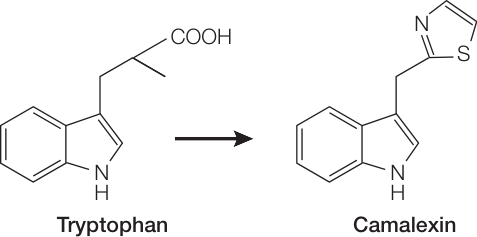
Figure 37.12 Production of camalexin, a phytoalexin, from tryptophan is induced by many pathogens.
Connect the Concepts Protein kinase cascades are common in signal transduction. See Key Concept 7.3.
Specific immunity is genetically determined
When pathogens attack, they come in contact with plant cells. If the plant does not have a receptor that can recognize infection by a particular species or strain of pathogen, the plant will not turn on specific inducible defenses.
Receptors that reside in the cytoplasm of plant cells that are resistant to infection are called R (resistance) proteins. R proteins interact with the product of a pathogen-encoded factor called an avirulence (Avr) factor. There are hundreds of Avr factors, which vary among pathogen species and strains. There are also hundreds of plant R proteins that recognize the presence of Avr factors. Recognition can be direct, as when a plant R protein binds to an Avr factor, or indirect, meaning a third protein is involved (Figure 37.13). In all cases, however, a single R protein, encoded by a plant R (resistance) gene must in some way interact with the product of a pathogen-encoded factor. While the direct method requires that the pathogen produce one particular protein in order to be recognized, the indirect method has the potential to increase the range of pathogens that can be detected. Imagine, for example, that a third (intermediate) protein that is part of the plant’s constitutive defensive response is bound by the plant R protein. Any infection that results in enzymatic modification of this intermediate protein such that the plant R protein no longer binds to it will liberate the R protein, setting in motion a signal transduction pathway that triggers the plant’s specific immunity. This type of resistance, whether direct or indirect, is called gene-for-gene resistance because it involves a recognition event between two specific molecules: one determined by an Avr gene in the pathogen and the other determined by an R gene in the plant.
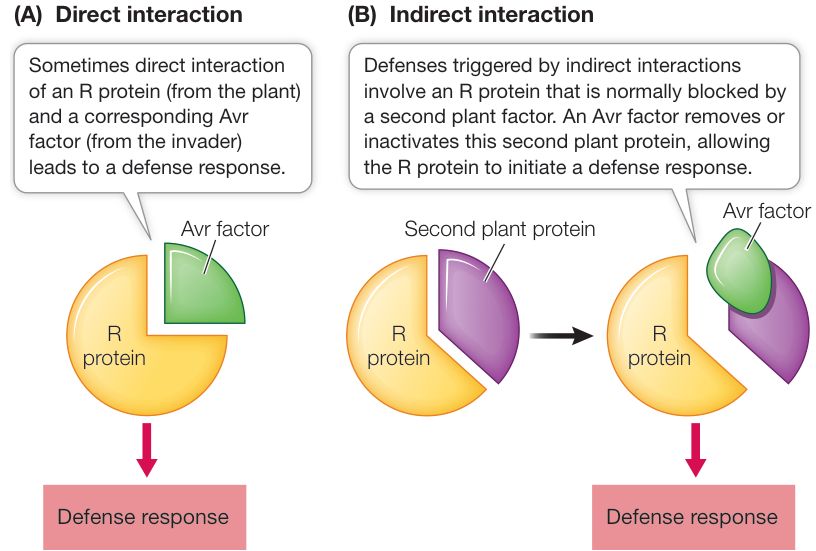
Figure 37.13 Gene-for-Gene Resistance If a gene in a pathogen that codes for an elicitor “matches” a gene in a plant that codes for a receptor, the receptor binds the elicitor, and a defensive response results. (After J. L. M. Soosaar et al. 2005. Nat Rev Microbiol 3: 789–798.)
The lack of an appropriate R protein receptor makes the plant especially susceptible to that pathogen. A major goal of plant breeders for the past 50 years has been to identify R and Avr genes and to breed new R genes into crops to make them more resistant to pathogens. Comparative genomics can be used: if a gene that confers resistance is found in one species, it may exist in close relatives, and may even be used to create a transgenic crop that is resistant to the pathogen. An example is described in Investigating Life: A Gene for Resistance to Wheat Rust.
Specific immunity usually leads to the hypersensitive response
Once a pathogenic infection is recognized, the plant mounts a response. One common response is surprising: rather than minimizing damage to an infected cell, the plant cells around the site of infection undergo a hypersensitive response entailing programmed cell death. The hypersensitive response leads to the sacrifice of a few cells to protect the rest of the plant, resulting in necrotic lesions (Figure 37.14). This strategy is particularly effective against viruses because viral replication does not take place without the proteins and metabolic products of a living plant cell. Viruses are typically carried to a plant by insects (often aphids), but extensive infection requires that the virus spread from cell to cell within the plant. Death of a small group of infected cells can help seal off the site of infection, preventing spread of the pathogen. Surrounding (still living) cells that
Investigating Life: A Gene for Resistance to Wheat Rust
METHOD
produce cell wall polysaccharides assist by sealing off plasmodesmata. Some of the responding cells also produce toxic chemicals, including phytoalexins, before they die. The resulting necrotic lesion contains and isolates what is left of the infection. The rest of the plant remains free of the infecting pathogen.
Experiment
Original Papers: S. Periyannan et al. 2013. The gene Sr33, an ortholog of barley Mla genes, encodes resistance to wheat stem rust race Ug99. Science 341: 786–788.
A. Saintenac et al. 2013. Identification of wheat gene Sr35 that confers resistance to Ug99 stem rust race group. Science 341: 783–786.
Wheat rust, particularly a new strain called Ug99 (so named because it was first identified in Uganda in 1999), is a major pathogen of wheat that can cause significant reduction in grain production. Cultivated wheat is not resistant to this pathogen strain. But Aegilops tauschii, a species of goatgrass that grows in the wild and is a genetic relative of cultivated wheat, is resistant. An international research team isolated a gene called Sr33 that was responsible for this resistance. The gene encodes a cytoplasmic receptor. Meanwhile, Eduard Akhunov at Kansas State University studied another primitive relative of bread wheat called Triticum monococcum, which also is resistant to wheat rust. His team isolated another gene for resistance, called Sr35.
HYPOTHESIS A wild relative of wheat carries a gene for resistance to the wheat rust pathogen.
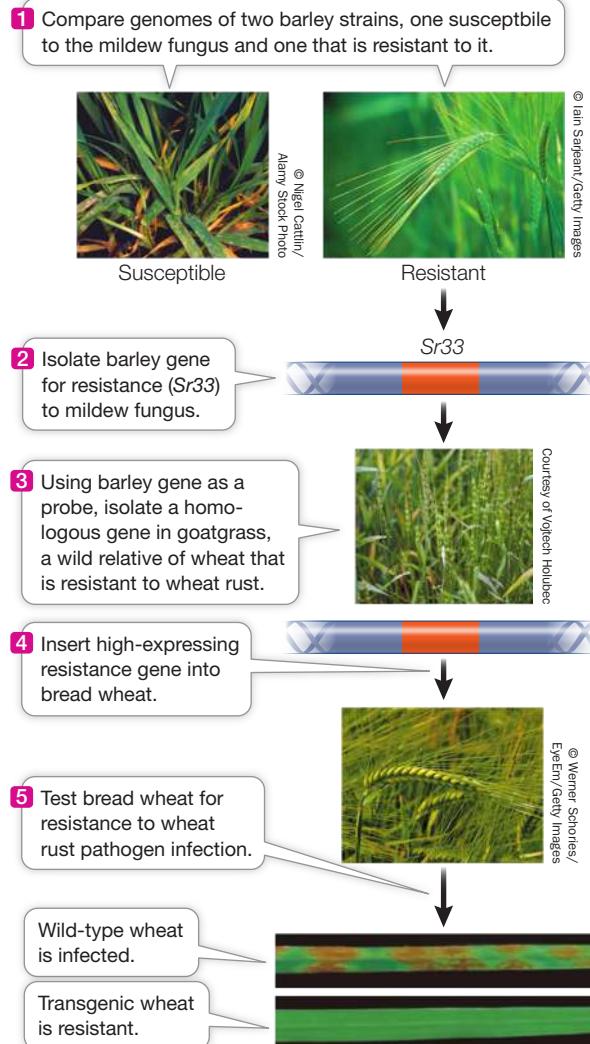
CONCLUSION A gene from a wild relative of wheat can confer resistance to wheat rust in bread wheat.
C. Saintenac et al. 2013. Science 341: 783–786
Work with the Data
A series of mutations in Sr33 was generated by mutagenesis and a genetic screen was performed for susceptibility to wheat rust infection (Figure A). The white segment on bar 5 indicates the deleted DNA, and the map location of the Sr33 gene is indicated by the bottom bracket.
QUESTIONS►
- The results for the wild-type Sr33 and mutant E5–E9 Sr33 are shown in Figure B. What can you conclude about the role of Sr33 in rust resistance?
- The bread wheat strain called Fielder was made transgenic for a high-expressing Sr33 gene. It was then exposed to wheat rust. The results are shown in Figure C. What does this transgenic approach indicate about the role of Sr33 in rust resistance? Compare your conclusion with that of Question 1.
- Triticum monococcum with wild-type Sr35 (Figure D, left) was compared with two strains of wheat with mutated Sr35 genes (Figure D, center and right) with regard to infection by wheat rust. What can you conclude about the role of Sr35 in resistance?
- Cultivated Fielder bread wheat was made transgenic for a high-expressing Sr35 gene. It was then exposed to the Ug99 strain of wheat rust. The results are shown in Figure E. What does this indicate about the Sr35 gene?
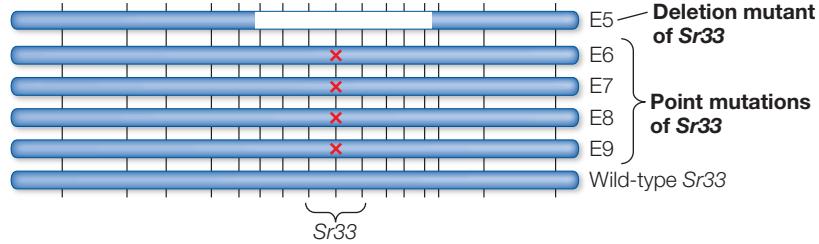
Figure A
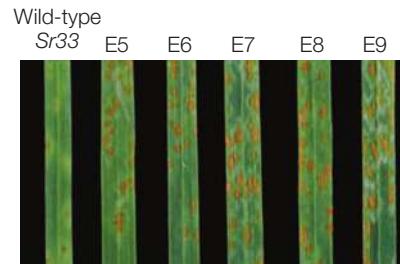
Figure B
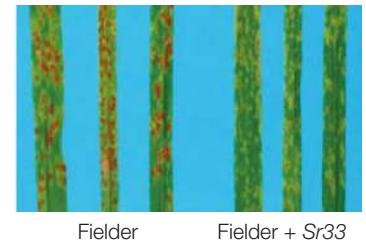
Figure C
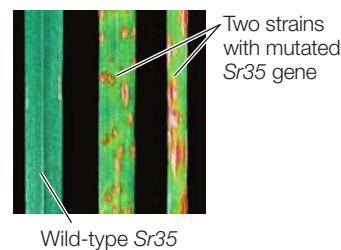
Figure D
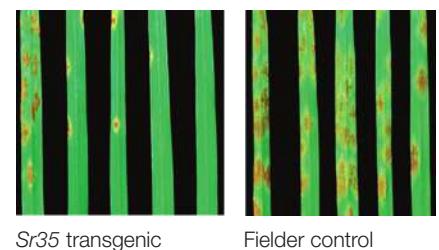
Figure E
Systemic acquired resistance is a form of long-term immunity
Thus far we have described the events that occur in plant cells at or near the site of invasion by a pathogen. In both general and specific immunity, the infected cells also send hormonal signals to the rest of the plant, stimulating a systemic response. Systemic acquired resistance is a general increase in the resistance of the entire plant to a wide range of pathogens. It is not limited to the pathogen that originally triggered it, or to the site of the original infection, and its effect may last as long as an entire growing season.
This defensive response is initiated by the plant hormone salicylic acid. Salicylic acid production is triggered by receptor binding in both general and specific immunity. Salicylic acid then functions as a signal that triggers the production of reactive oxygen species and the induction of genes that encode PR proteins. There are many classes of PR proteins, which function in various ways to protect plants against insect attack and against invasion by fungi, bacteria, viruses, and nematodes.
These responses occur at the site of infection and, to a lesser extent, throughout the plant. A derivative of salicylic acid can form a gas that can travel through the air, carrying the defense signal not only to other parts of the same plant but to other nearby plants. Plant-to-plant signaling is also done through mycorrhizae associated with roots. These beneficial fungi (see Key Concept 34.3) form a network that appears to transmit signals from an infected plant to its neighbors.
Another type of systemic acquired resistance is a more specific defense against viruses with RNA genomes. Viruses that infect plants are generally nothing more than RNA or DNA (the viral genome) wrapped in a protein coat. Once viral RNA or DNA enters a plant cell, the plants own enzymes act on it, resulting in production of more copies of the viral genome and the viral coat protein, which self-assemble into new viruses. How can a plant protect against viral replication if the viral genome is the only part of the process that belongs specifically to the virus? Many plants have a mechanism that specifically recognizes and destroys virally-encoded mRNA.
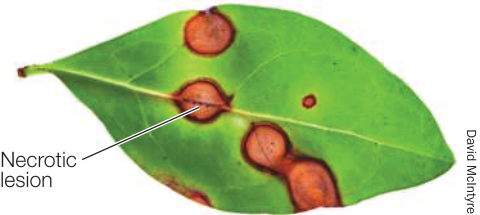
Figure 37.14 The Hypersensitive Response Results in Necrotic Lesions Death of a small region of plant cells can prevent the spread of viruses which require living cells.
Replication of some viruses includes a phase in which double stranded RNA (dsRNA) is produced (Figure 37.15). In many plants, a plant-encoded enzyme called Dicer binds to this double stranded RNA and cuts it into short segments called small interfering RNA (siRNAs). These siRNAs interact with another cellular component called the RNA-induced silencing complex (RISC). When an siRNA associated with RISC binds to complementary regions on other segments of virally-encoded mRNA, the viral mRNA is destroyed. Destruction of the virally-encoded mRNA blocks viral replication. The siRNAs spread quickly throughout the entire plant through plasmodesmata, providing systemic resistance.
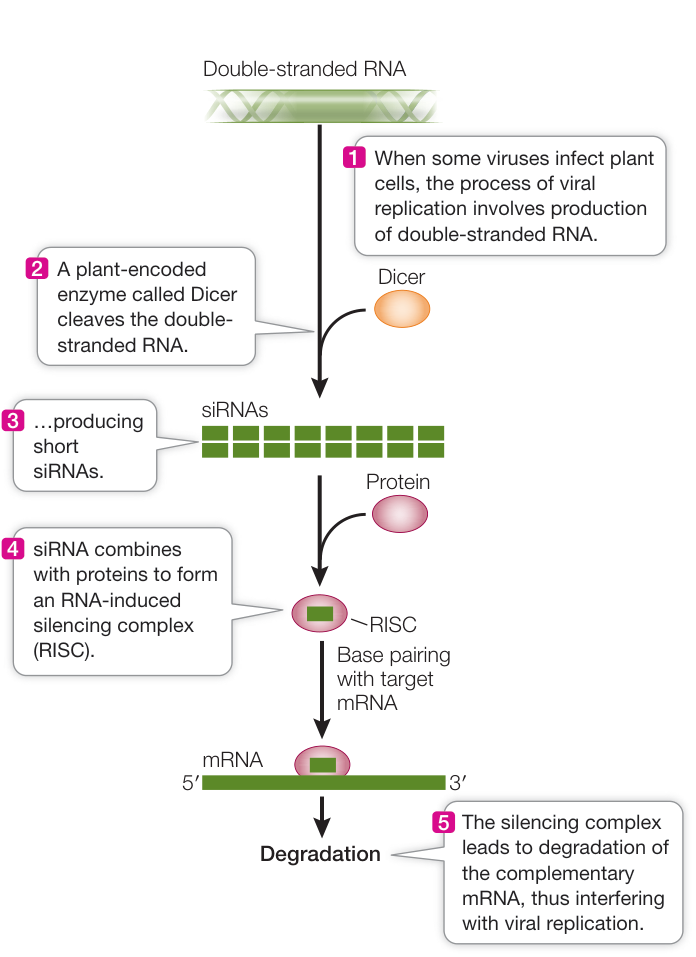
Figure 37.15 Production of Small Interfering RNAs Can Protect Plants by Blocking Translation of Virally Encoded mRNAs Many plants defend themselves against viral replication by producing siRNAs that specifically recognize virally-encoded mRNAs. Once virally-encoded mRNAs are recognized, they are degraded. This system blocks viral replication without blocking the production of plant-encoded proteins.
Recap and Assess
Plants have both constitutive and induced defense mechanisms to protect themselves against pathogens. General and specific immunity involve several common signaling pathways, but specific immunity is a stronger response that usually leads to the hypersensitive response and cell death. Specific immunity involves reactions between genetically determined molecules of the pathogen(s) and host plant. Systemic acquired resistance provides a longer-lasting, more general immunity throughout the plant.
- A tomato plant can be infected with the fungus Cladosporium. The host plant and pathogen can have various genes involved in the hypersensitive response. Complete the table below to show the effects of each fungal strain on tomato leaves:
| Tomato genotype | |||
|---|---|---|---|
| Cladosporium genotype | R1R2 | R3R4 | R1R4 |
| Avr1Avr2 | |||
| Avr2Avr3 | |||
| Avr1Avr4 |
- Describe how a researcher could determine whether an induced response in a plant cell represents general immunity or specific immunity.
- A researcher makes a small incision in a leaf of a healthy plant and applies salicylic acid to the cut. How might the researcher expect the plant to respond?
Not all biological threats to plants come from pathogens. Another threat comes from the many animals that eat plants.
Plants Have Mechanical and Chemical Defenses against Herbivores
Learning Objectives
- 37.3.1 Describe physical methods plants use to defend themselves against herbivores.
- 37.3.2 Discuss the range of effects that secondary metabolites might have on organisms attacking plants.
- 37.3.3 Describe the key components of signal transduction pathways that are activated by herbivory or wounding.
Herbivores—animals that eat plants—depend on plants for energy and nutrients. Their foraging activities cause physical damage to plants, and they often spread disease among plants as well. While the majority of herbivores are insects (Figure 37.16), every major class of vertebrates includes at least a few herbivores. Plants cannot evade their consumers by running away, but they have many other ways of protecting themselves against herbivory.
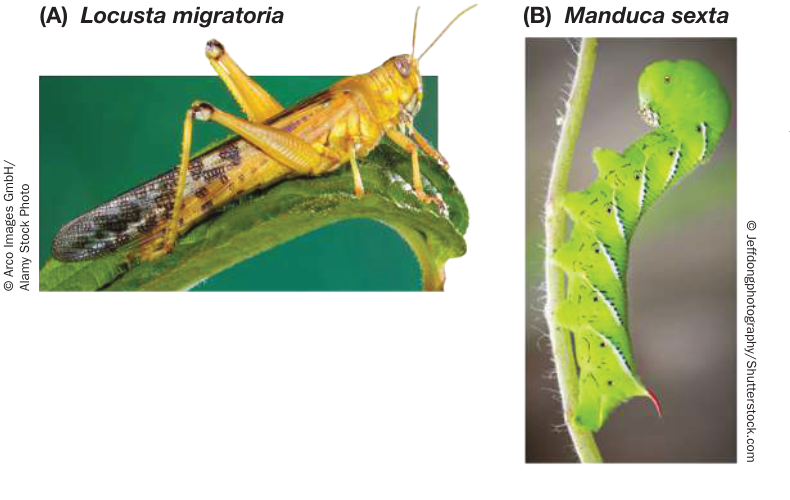
Figure 37.16 Insect Herbivores The great majority of herbivores are insects. (A) Some herbivores, such as this locust, are generalists that will attack nearly any plant. (B) Others are specialists, like this tobacco hornworm, which feeds only on tobacco and related plants.
Plants have mechanical defenses against herbivores
Plants have both constitutive and induced mechanical defenses against herbivores. Constitutive anatomical barriers include trichomes (specialized hairs; see Figure 37.2) and thorns, spines that are specialized for defense. An example of an induced mechanical defense is the production of latex. Some plants, such as Euphorbia species, produce a thick, white aqueous suspension of cellular debris, oils, and resins called latex when they are injured by an herbivore. Insects trapped by this sticky substance starve to death.
Connect the Concepts In this chapter we discuss herbivory in the context of how a plant’s physiology is affected by an herbivore. See also Key Concept 54.2, which discusses herbivory in the ecological context of species interactions.
Plants produce constitutive chemical defenses against herbivores
Plants attract, resist, and inhibit other organisms with a wide range of chemicals known as secondary metabolites. Primary metabolites are substances such as proteins, nucleic acids, carbohydrates, lipids, and their building blocks, which are produced and used by all living organisms, including plants. Primary metabolites are used in basic cellular processes such as photosynthesis, respiration, and nutrient uptake. Secondary metabolites are substances that are not used for basic cellular processes. Each is found in only certain organisms or groups of organisms.
The more than 10,000 known plant secondary metabolites range in molecular mass from about 70 to more than 380,000 daltons, but most have a low molecular mass (Table 37.2). The effects of defensive secondary metabolites on animals are diverse. Some act on the nervous systems of herbivorous insects, mollusks, or mammals. Others damage the digestive tracts of herbivores. Some secondary metabolites are toxic to fungal or bacterial pathogens. Secondary metabolites are not only used for defense; some have other roles in the plant. For instance, phenolic compounds called anthocyanins are toxic to insects and bacteria. But they also are pigmented and aid in attracting pollinators, accumulate in vacuoles and thus contribute to osmotic pressure in cells, and even regulate dormancy in some plants.
Table 37.2 Secondary Metabolites Used in Defense
Canavanine is a secondary metabolite that has a defensive effect. Canavanine is an amino acid that is not normally found in proteins, but it is very similar to the amino acid arginine, which is found in almost all proteins (Figure 37.17). When an insect larva consumes canavanine-containing plant tissue, the canavanine is incorporated into the insect’s proteins in some of the places where the mRNA codes for arginine, because the enzyme that charges the tRNA specific for arginine fails to discriminate accurately between the two amino acids (see Key Concept 14.5). The structure of canavanine, however, is different enough from that of arginine that some of the resulting proteins end up with a modified tertiary structure, and hence reduced biological activity. These defects in protein structure and function lead to developmental abnormalities that kill the insect.
Taking cues from nature, we have practical uses for many plant secondary metabolites or molecules made from them in the lab. Throughout human history, these have formed the basis of herbal medicine as plant extracts are used. As knowledge of chemistry accumulated, people purified the active ingredients of these plants. For instance, the foxglove plant gave us the cardiac drug digitalis. Some wild animals also seek out specific plants when they have infections, gastric issues, or are bothered by pests such as biting insects. Eloy Rodriguez and colleagues isolated compounds from some plants that are sought out by animals suffering from particular issues, and found that the plants contained specific compounds with medicinal properties.
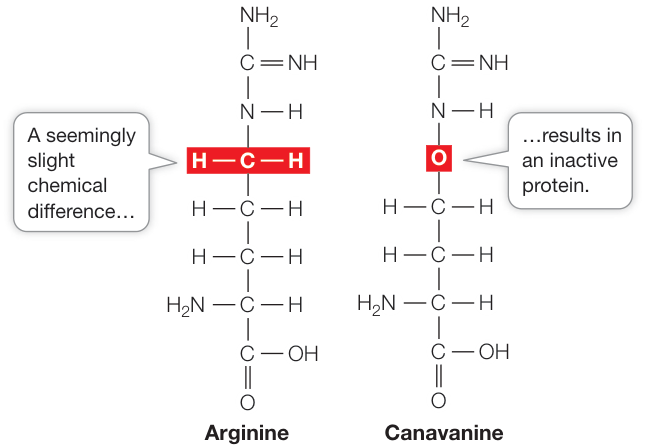
Figure 37.17 Canavanine Can Protect Plants Against Herbivory When insect larva eat leaves that contain canavanine, the insects incorporate this atypical amino acid into their proteins, resulting in proteins with reduced activity.
Plants respond to herbivory with induced defenses
In Key Concept 37.2 we described the defenses that are induced in plants in response to pathogen attack. Plants also respond to wounding and herbivory with induced defenses involving signal transduction pathways. Less is known about the elicitors and receptors involved in these responses, but several classes of chemical elicitors have been identified. These elicitors are either derived from the herbivores themselves or are products of the digestion of plant tissues. For example, the enzymes that insects use to digest plant carbohydrates and lipids can elicit defensive responses. Some elicitors are produced when plant material passes through an herbivore’s digestive tract; these elicitors are composed of a fatty acid derived from the plant and an amino acid derived from the insect gut. One such elicitor, produced by insects feeding on corn plants, has been named volicitin for its ability to induce production of volatile signals that can travel to other plant parts—and to neighboring corn plants—and stimulate their defense responses. In addition, many herbivorous insects lay their eggs on plants, and some components of the fluids secreted during egg laying have been identified as elicitors.
The signal transduction pathways that are activated by herbivory or wounding involve several key components, some of which are shared by the pathways that are induced by pathogens:
- Membrane signaling: The cell membrane is the part of the plant cell that is in contact with the environment. Within the first minute after an herbivore strikes, changes in the electric potential of the cell membrane occur in the damaged area. As we will describe in our chapter on the animal nervous system (see Key Concept 43.2), such changes can be rapidly transmitted as a signal along the cell membrane. In the case of plants responding to herbivory, the continuity of the symplast (see Figure 33.6) ensures that the signal travels over much of the plant within 10 minutes.
- Reactive oxygen species: Both wounding and herbivory trigger the production of reactive oxygen species (such as superoxide and hydrogen peroxide), which act as signaling molecules in pathways that lead to changes in gene expression.
- Hormonal signaling: Herbivory induces the production of several hormones that stimulate various plant responses. The most important of these is jasmonic acid (jasmonate), which triggers systemic defenses against herbivores.
Jasmonates trigger a range of responses to wounding and herbivory
When the plant senses an herbivore-produced elicitor, it makes jasmonate (the ionized form of jasmonic acid) and a variety of jasmonate derivatives. These molecules trigger many plant defenses both at the site of herbivore attack and throughout the plant. When caterpillars (small herbivores) chew on a plant, substances in the insect’s saliva and the physical wounding of the plant cells serve as signals to which the plant can respond (Figure 37.18). A derivative of jasmonate in which jasmonic acid is bound to the amino acid Ile (JA-Ile) induces changes in gene expression
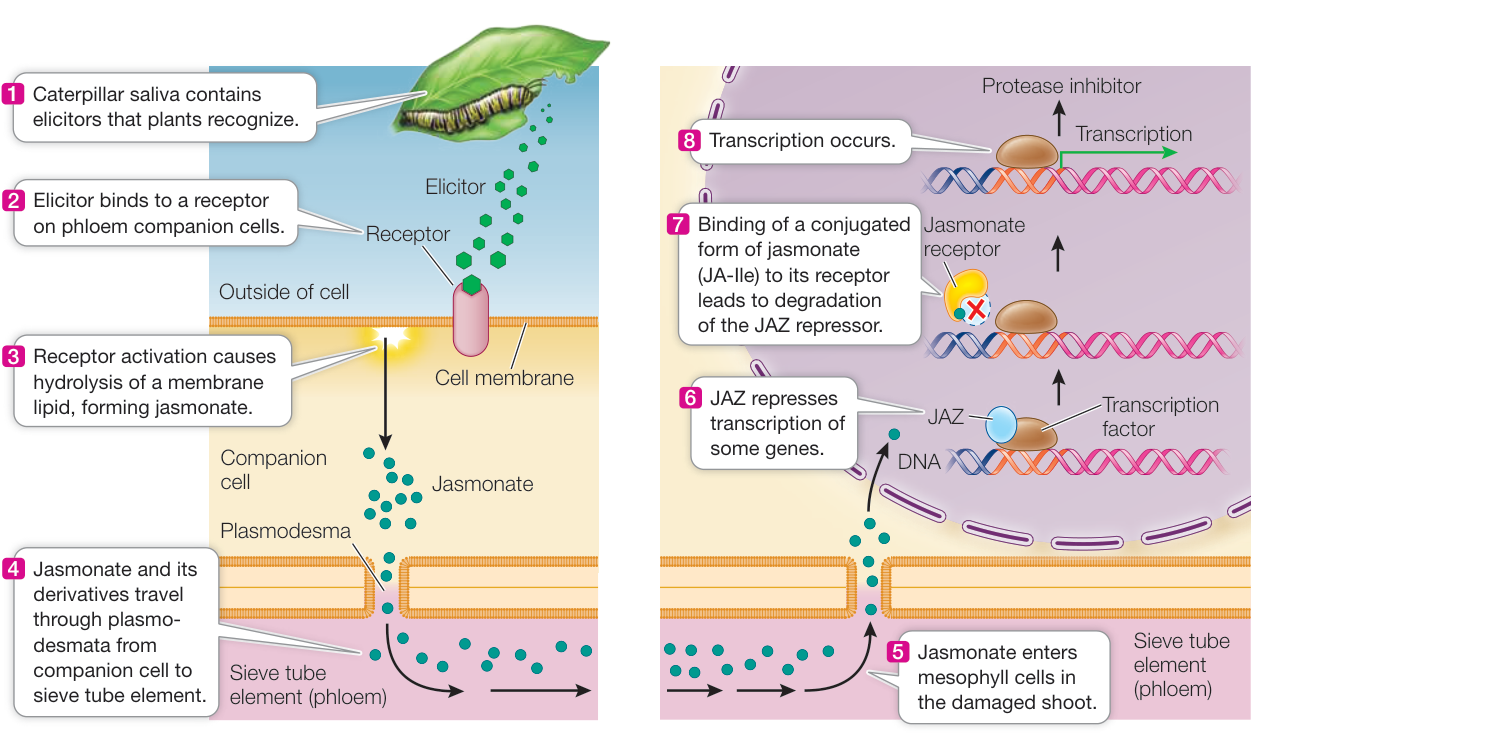
Figure 37.18 Response to Caterpillar Attack Herbivory initiates a chain of events that leads to the production of defensive chemicals. Hormones produced at the site of attack can set off a series of reactions resulting in synthesis of defensive compounds throughout the plant.
Simulation 37.1 Plant Defenses by binding to a receptor. The bound receptor complex targets a transcriptional inhibitor called a JAZ protein for degradation. Once the JAZ protein is degraded, genes that were previously inhibited can be transcribed and expressed. An important group of plant proteins that are expressed in response to insect attack are protease inhibitors. Once inside an insect’s gut, protease inhibitors interfere with proteases (enzymes that degrade proteins) that are part of the insect’s digestive system. The resulting disruption of the caterpillar’s ability to digest the plant material it eats stunts the growth of the caterpillar.
Jasmonates can also be part of a “call for help” by triggering the formation of volatile compounds that attract insects that prey on herbivores attacking the plant. When corn is attacked by one particular moth larva, for example, the plant produces volatile compounds that attract wasps that parasitize herbivorous caterpillars.
Why don’t the defensive chemicals that are so toxic to herbivores and pathogens kill the plants that produce them? In some cases the defensive chemicals are directed at organs or systems that are not found in plants, such as the nervous, digestive, or endocrine systems of animals. In addition, plants that produce toxic defensive chemicals sequester them in vacuoles or store them as harmless precursors until used.
Plants don’t always win the arms race
Milkweeds such as Asclepias syriaca store their defensive chemicals in latex in specialized tubes called laticifers, which run alongside the veins in the leaves. When damaged, a milkweed releases copious amounts of toxic latex from its laticifers. Field studies have shown that most insects that feed on neighboring plants of other species do not attack laticiferous plants, but there are exceptions. One population of beetles that feeds on A. syriaca exhibits a remarkable prefeeding behavior: these beetles cut a few veins in the leaves before settling down to dine. Cutting the veins causes massive latex leakage from the adjacent laticifers and interrupts the latex supply to a downstream portion of the leaf. The beetles then move to the relatively latex-free portion and eat their fill (Figure 37.19A).
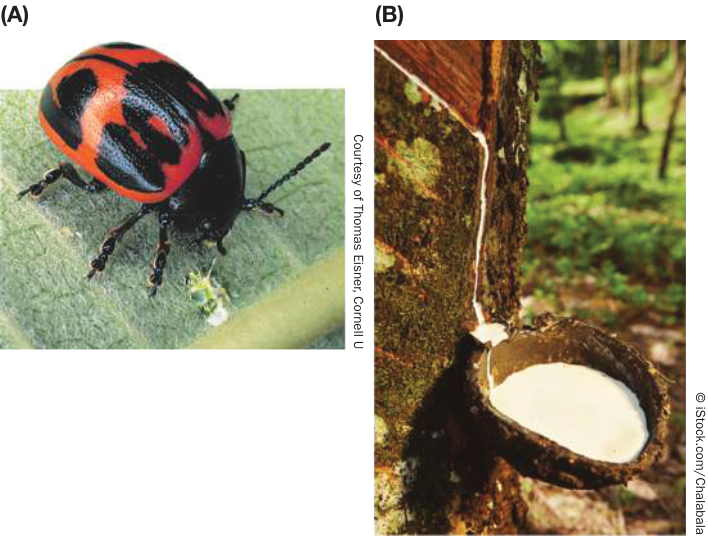
Figure 37.19 Disarming a Plant’s Defense and Applying It (A) This beetle is inactivating a milkweed’s defense system by cutting its laticifer supply lines. (B) Collecting latex from a rubber tree in the Philippines.
When latex dries, it becomes rubbery. That’s a good adjective, because we have exploited the sticky, moldy properties of dry latex from the tree Hevea brasiliensis to turn it into rubber for tires, shoes, adhesives, and condoms, to name a few products (Figure 37.19B). Because Japan occupied the regions of the world where rubber trees grow, during World War II U.S. and British chemists investigated ways to make synthetic rubber. They analyzed latex, determined its composition of hydrocarbons, and then made rubber in the lab. Today, half of the rubber used worldwide is synthetic.
Recap and Assess
Many plants use secondary metabolites as constitutive defenses against herbivory. Other defenses are induced by herbivory through signal transduction pathways. The plant hormone jasmonate stimulates local and systemic responses to herbivores.
- Tobacco plants produce nicotine as a secondary metabolite. The plants also have induced defenses against herbivores. How would these defenses work together to protect the plant from herbivores?
- Armyworm larvae feed on corn leaves. They deposit their frass, or
waste, in crevices where corn leaves meet stalks. The frass releases
chemicals that signal the plant that it is being attacked by armyworms,
and the corn plant mounts a defense against armyworms.
- Does this represent a constitutive or an induced defense? Explain your answer.
- How would chemicals in armyworm frass affect the corn plant’s response?
- Explain how plants attacked by herbivores can use jasmonate to “call for help.”

Activity 37.1 Concept Review: Plant Responses to Environmental Challenges
Investigating Life
QA How can plants respond to the environmental challenges posed by global climate change?
A common misconception is that because plants do not have the same sensory organs that people do, plants are not aware of their environments. However, the ability of plants to detect and respond to stimuli is not all that different from our own. We see light, taste chemical compounds, smell volatile molecules, detect temperature, and respond to mechanical pressure. Plants also sense and respond to all these types of stimuli. Like animals, plants have receptor proteins that interact with the signals being perceived and activate signal transduction pathways that lead to responses, often including changes in gene expression. In many cases, plants go so far as to change the number and location of their organs so as to best fit their current environments; the architecture of their bodies is determined in response to the conditions they experience. This ability to sense and respond gives plants improved opportunities for survival in the face of changing environmental conditions.
Plants are well suited to deal with many of the environmental changes associated with global climate change because they already have receptors that allow them to sense relevant environmental factors. For example, drought, which can severely limit plant growth, is expected to increase in frequency, but plants can reduce its impact through ABA-mediated responses. Likewise, plants can detect many pests and pathogens and mount responses to them. However, these responses require energy, and energy spent on defense is not available for growth. Increased levels of do supply more substrate for photosynthesis, which could lead to an increase in plant growth. To see how all these factors may play out, experiments were run in which plants were grown in natural environments to which additional was added. The results of several such experiments showed that plant growth did not increase as much as was expected from the increase in alone. In many cases, growth became limited by water and nutrients. High temperatures can also be detrimental to growth and reproduction. The limits of what some species can withstand are already being seen in some regions, where the ranges of some plants have shifted toward higher latitudes.
Future directions
The rapid pace of climate change is expected to make production of crops sufficient to feed the world significantly more challenging. Growing a more diverse set of crop species may buffer the system against year-to-year variation in severe weather and provide some improvement in pest management. Another approach that may mitigate the effects of climate change is to understand and then reengineer plants so that they will be able to maintain yields under less than optimal conditions. Production of drought-tolerant plants (discussed in the opening to Chapter 33) and of plants with enhanced disease resistance are areas of particular interest. So too is the idea of enhancing the efficiency of photosynthesis. Because a substantial amount of energy is lost through photorespiration (a detrimental interaction that happens when rubisco interacts with oxygen), many projects focus on finding a way to reduce its cost. One bold project aims to increase the yield of rice, a plant, by introducing -like photosynthetic systems that are expected to decrease the frequency of photorespiration and improve water use efficiency.

Visual Summary

© Ken Schulze/Shutterstock.com
You should be able to relate each summary to the adjacent figures. If you go to this visual summary in Achieve, you can follow links to figures, animations, activities, and simulations that will help you consolidate the material.
Plants Can Sense and Respond to Environmental Stresses
- ■ Plants sense their environment by monitoring changes in signal receptors and employ signal transduction pathways to initiate responses.
- ■ Plants respond to water stress by producing the hormone abscisic acid (ABA), which leads to stomatal closure as well as to changes in gene expression and root formation.
- ■ Phytochrome appears to be a temperature sensor as well as a light receptor.
Questions
- Plants can perceive ABA because they have a receptor for it. What type of molecule serves as an ABA receptor? How does binding to ABA change such a receptor?
- What is the trade-off between having stomata open and closed?
- Provide evidence to support the claim that phytochrome is a temperature sensor. Indicate which part of the requirements for a receptor (or sensor) each piece of evidence fills.
- A phytochrome mutant that can form but does not undergo dark reversion has been identified. Make a diagram indicating the extent of stem elongation expected for wild-type plants and for plants carrying this non-reverting phytochrome mutation.
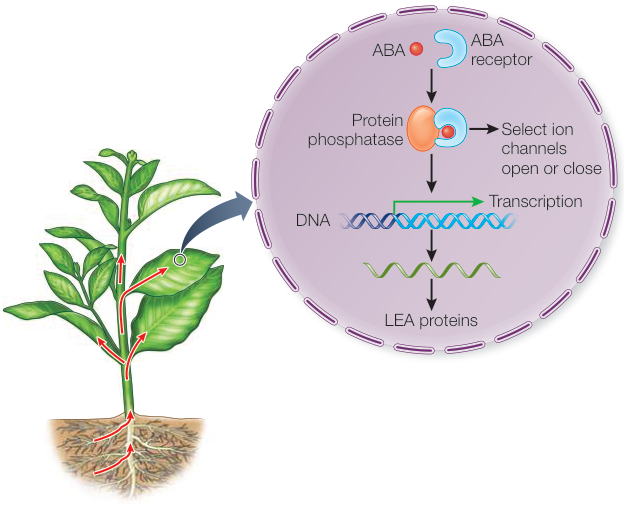
Figure 37.1
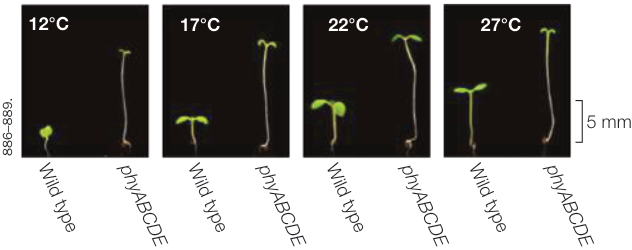
Figure 37.9
Plants Respond to Pathogens with Constitutive and Induced Responses
- ■ Plants and pathogens have evolved together in a continuing “arms race.”
- ■ Plants respond to broad classes of organisms with general immunity responses and to particular pathogens with specific immunity.
- ■ Gene-for-gene resistance depends on a match between a plant’s R (resistance) genes and a pathogen’s Avr (avirulence) genes.
- ■ In systemic acquired resistance, salicylic acid activates synthesis of defensive compounds throughout the plant.
- ■ Plants use small interfering RNAs (siRNAs) to develop immunity to invading RNA viruses.
Questions
- What is the advantage of having chemical defenses that are inducible rather than constitutive?
- Outline a pathway from signal to response that leads to a hypersensitive response.
- Explain how the production of siRNAs can defend a plant against viral infection.
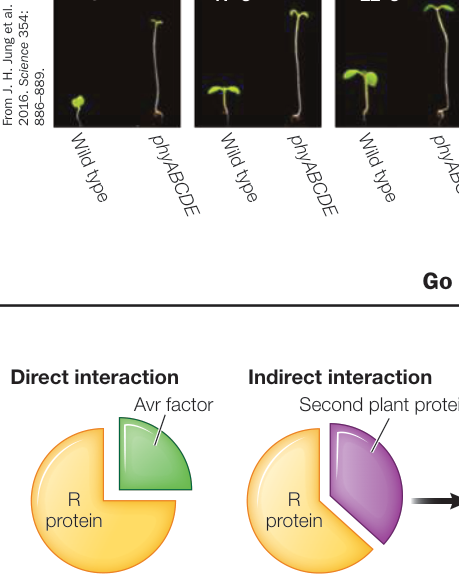
Figure 37.13
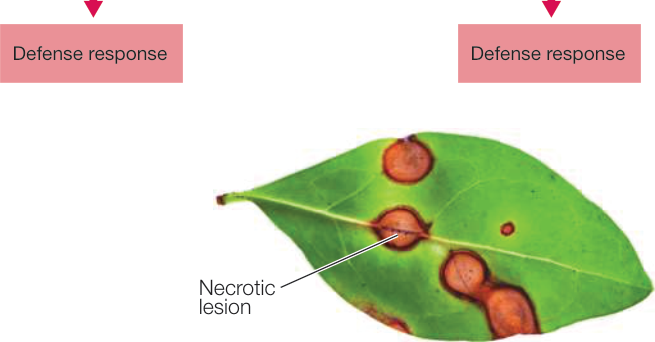
Figure 37.14
- ■ Plants produce a wide range of secondary metabolites, some of which provide defenses against herbivores.
- ■ Hormones, including jasmonic acid (jasmonate) and its derivatives, induce defense responses at the site of attack and throughout the plant.
- ■ Production of protease inhibitors can be an effective defense against attack by hungry caterpillars.
Questions
- Formulate a hypothesis as to why mechanical defenses are typically constitutive but some chemical defenses are inducible.
- Plants that produce canavanine are not as strongly affected by this compound as their would-be attackers are, even when the plant aminoacyl-tRNA synthetases are exposed to canavanine. Speculate as to what molecular-level change could make the plants resistant to canavanine.
- Explain how the production of protease inhibitors can protect plants from herbivory by caterpillars.
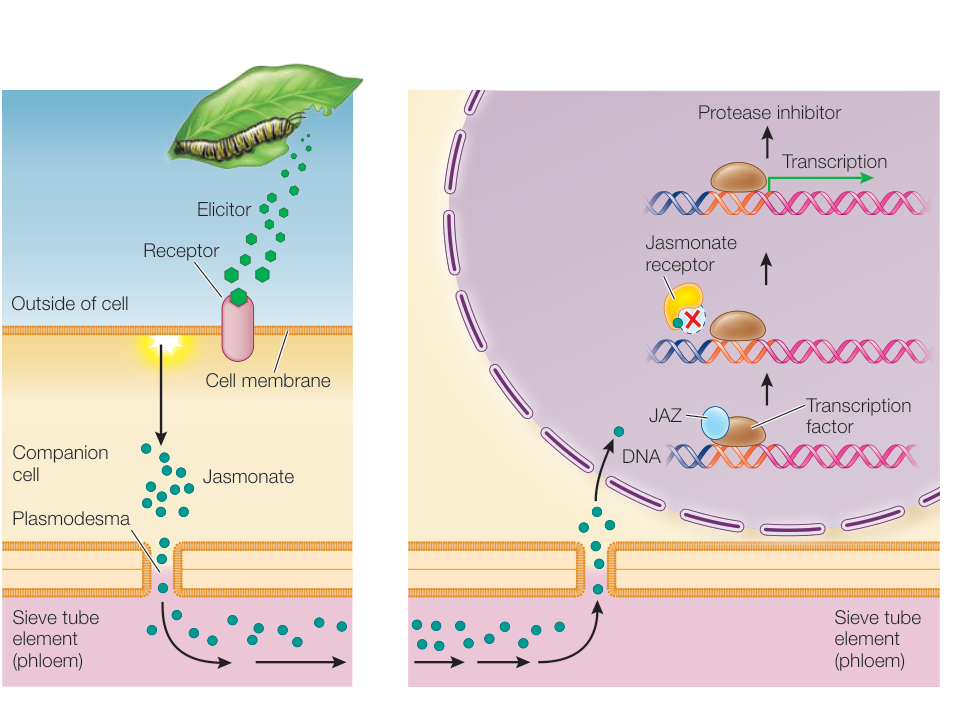
Figure 37.18