Chapter 51Animal Behavior
© David Straw/Alany Stock Photo
Key Concepts
51.1 Ethology Led to Modern Behavioral Biology
51.2 Behavior Can Be Genetically Determined
51.3 Behavior Can Be Studied Developmentally
51.4 Selective Pressures Shape Behavior
51.5 Behavior Can Be Studied Mechanistically
51.6 Social Interactions Shape the Evolution of Behavior
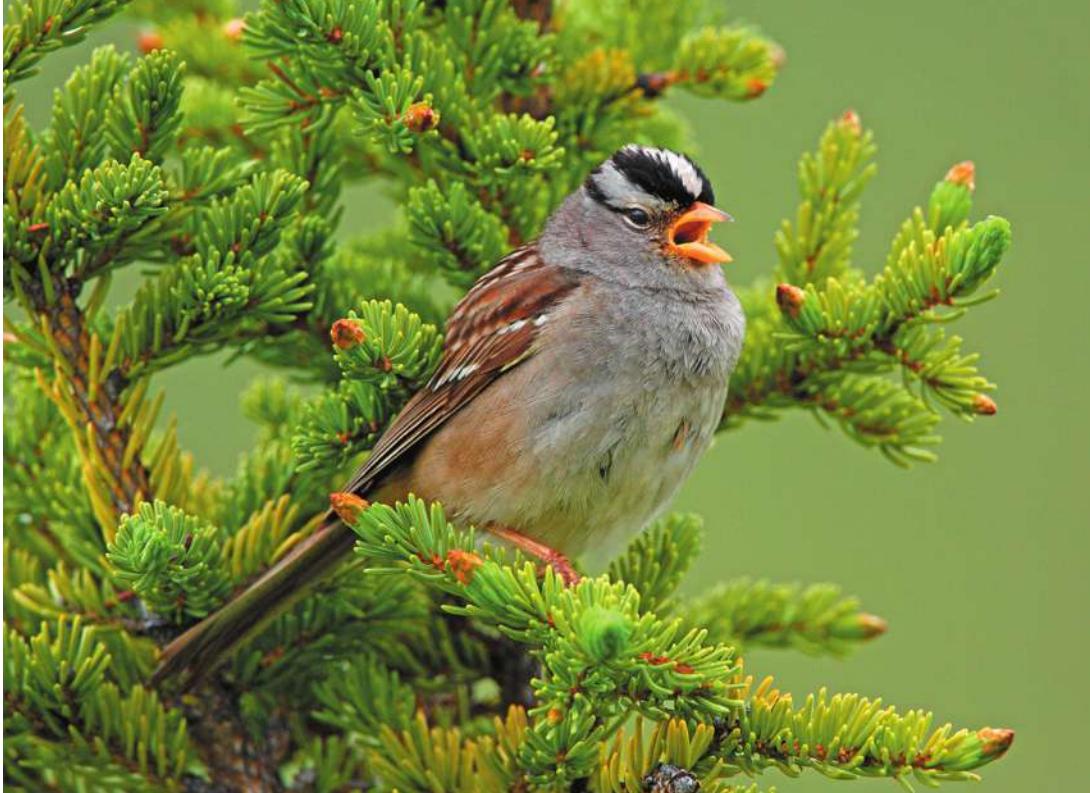
The male songbird claims and defends his territory through song and attracts a mate through song, and the female selects her mate based on the quality and vigor of his song. Birdsong involves genetic determinants, learning, physiological conditions, and social interactions.
Investigating Life: An Instinct to Learn
A springtime joy is hearing birds sing. Why do they do it? Male songbirds use species-specific song to compete with other males for territory. They also sing to attract mates. Females may not sing, but they recognize the songs of their own species. Males of most species, such as the White-crowned Sparrow (Zonotrichia leucophrys), must learn their song, but what they can learn is influenced by their genes, and when they can learn it is influenced by their physiology. A hatchling in the nest hears his father and other White-crowned Sparrows singing. He also hears the songs of many other bird species. He does not sing until he approaches sexual maturity almost a year later, and when he does, he sings his father’s type of song and not that of other species. His first attempts at song are poor, but by trial and error he gradually matches his song to the one stored in his memory, even though other species are singing in his environment. His singing talent depends on two critical conditions: he must hear his species-specific song in the first 2 months of life, and he must be able to hear himself as he develops his song. These are both learning experiences, but the bird’s genes play an important role too.
Male White-crowned Sparrows raised alone in the laboratory and exposed to recordings of unrelated species will not learn any of those song templates even if they are played over and over. But if in that cacophony of songs, a bird’s species-specific song is played just a few times, he will sing that song the following spring. Thus male White-crowned Sparrows must learn their song, but a genetic predisposition ensures that they learn the song of their own species.
An important reason why males learn only their species-specific song is that the females also listen to their father’s songs when they are nestlings. When they mature, they choose mates that sing like their fathers did. But how does one female choose her specific mate? There is variation in male songs, and some components of songs seem sexier than others. Also, the way the songs are performed may differ among individuals and in different social contexts. As in humans, variability surely plays a role in mate choice.
QA How does social context influence the learning and expression of birdsong? (Find the answer on page 1167.)
Ethology Led to Modern Behavioral Biology
Learning Objectives
- 51.1.1 Identify the origins and differences between behaviorism and ethology.
- 51.1.2 Discuss the significance of deprivation experiments.
- 51.1.3 Explain what proximate and ultimate causes of behavior are, using examples.
Humans have studied animal behavior since prehistoric times. Understanding the habits of potential prey, as well as those of their predators, was of great value to hunters. Appreciation of behavioral traits led to the domestication of animal species. Accounts of animal behaviors such as seasonal appearances and disappearances, mating displays, aggression, prey capture, parental care, and communication are found throughout recorded history. Yet the scientific study of animal behavior did not truly get under way until the early 1900s.
Conditioned reflexes are a simple behavioral mechanism
In the late 1800s the Russian physiologist Ivan Pavlov used dogs to study the neural control of digestive juice secretion. His dogs, like all dogs, salivated when they smelled food, but Pavlov observed that they also salivated whenever the technician who routinely fed the dogs entered the room—even when no food was present. Following up this observation, Pavlov substituted a sound stimulus for the technician; a metronome ticked while the dogs were fed. After several trials, the dogs salivated when they heard the metronome, even if no food was offered.
Salivation in response to the sight, smell, or taste of food is a natural reflex response to a stimulus, but salivation in response to a sound was a learned response. The pairing of a sound with the experience of receiving food conditioned the dogs’ nervous systems to generate a response, which Pavlov dubbed the conditioned reflex (Figure 51.1). The natural stimulus—food in this case—became known as the unconditioned stimulus, and the unnatural stimulus was termed the conditioned stimulus. Pavlov received a Nobel Prize in 1904 for his work showing that a simple behavior controlled by the nervous system could be modified through experience. This work stimulated much new research because Pavlov had developed an experimental model of learning.
Going beyond the conditioning of autonomic reflexes, the psychologist B. F. Skinner showed that many behaviors could become conditioned responses to stimuli if a reward was associated with the action and the stimulus. A rat, for example, could be conditioned to press a lever in response to a stimulus if it got a reward when it pressed the lever. Because the animal was conditioned to perform an operation on its environment, this experimental protocol was called operant conditioning and became another model of learning.
The experimental approaches to behavior initiated by Pavlov and Skinner stimulated much research on animal behavior, but the focus of that research was mostly controlled laboratory experiments on learning and memory in only a few species—mostly the white rat. This field of animal behavior became known as behaviorism.
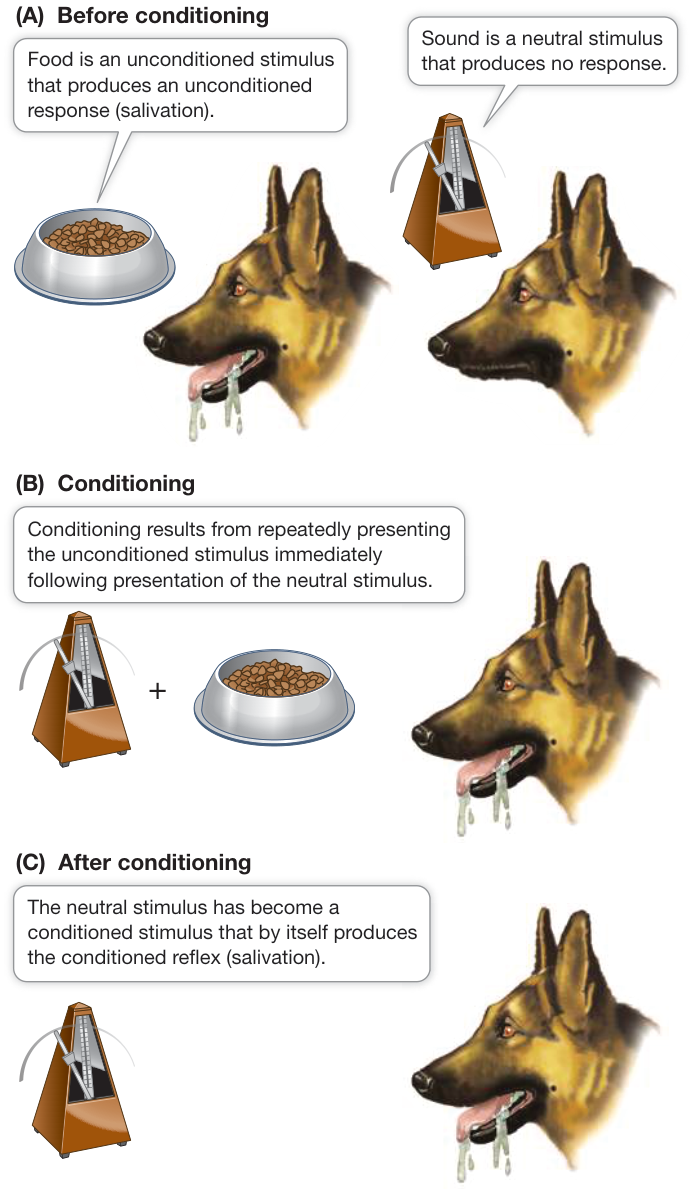
Figure 51.1 The Conditioned Reflex (A) Prior to conditioning, there is no response to the neural stimulus. Ivan Pavlov discovered that when a normal response is paired with an artificial or neutral stimulus (B), an animal learns to produce the response even when only the artificial stimulus is presented (C).
Ethologists focused on the behavior of animals in their natural environment
An alternative approach to the study of animal behavior arose at the same time as behaviorism and focused on the various behaviors of animals in their natural environments. This field of study became known as ethology (Greek ethos, “character,” + logos, “study”). Ethologists were interested in a wide variety of species, their evolutionary relationships, and the ways in which their behaviors were adapted to their environments. The leaders of the ethology movement were Karl von Frisch, who discovered the dance language of honey bees (Apis spp.); Konrad Lorenz, who discovered that the strong bond between parent and offspring develops during a “critical period” following birth; and Niko Tinbergen, who studied inborn patterns of behavior commonly known as instincts. These three scientists shared the Nobel Prize in 1973 for “their discoveries concerning organization and elicitation of individual and social behavior patterns.” Their work laid the foundation for modern research on animal behavior.
Ethologists were mainly interested in species-specific or instinctive behaviors that therefore had to have genetic components. Behaviors were thought to be genetically determined if they:
- are performed without learning.
- are stereotypic (that is, they are performed the same way each time).
- cannot be modified by learning.
The ethologists called such behaviors fixed action patterns.
Ethologists performed deprivation experiments to demonstrate the genetic determination of a behavior. They raised animals in an environment devoid of opportunities to learn their species-specific behavior, and then looked for the expression of that behavior. The web spinning of a spider is an example of a natural deprivation experiment. The parents of a young spider die before it hatches, and in a seasonal environment it has no model webs to copy when it spins its first web. Web construction requires thousands of stereotyped sequential movements. Yet a young spider creates a perfect, species-specific web the first and every time it spins a web. Thus the information for the web spinning behavior has to be genetically programmed into its nervous system.
Fixed action patterns are usually responses to specific stimuli. The ethologists carefully characterized such stimuli, which they called releasers. In general, releasers are simple subsets of the information available in the environment. For example, Tinbergen studied the begging behavior of Herring Gull (Larus argentatus) chicks. An adult Herring Gull has a red dot on its lower bill. When a parent returns to the nest to feed its chicks, the chicks peck on its red dot, which stimulates the parent to regurgitate food (Figure 51.2A). Experimenters investigated what stimulated the chicks to peck a parent’s bill. Models of gull heads of different shapes and colors were tested (Figure 51.2B), as were models of a beak without a head. The results showed that the red dot was necessary for the release of chick pecking behavior. In fact, a pencil with a red eraser elicited a more robust pecking response than did an accurate model of a gull head without a red dot on its bill.
Ethologists probed the causes of behavior
The ethologists demonstrated the genetic basis for fixed action patterns by interbreeding closely related species. Konrad Lorenz studied the courtship behaviors of different species of dabbling ducks. Some of these species, such as Mallards (Anas platyrhynchos), teals, pintails, and Gadwalls (Mareca strepera), are closely related and can interbreed, but they rarely do so in nature. Each male duck performs a courtship display consisting of a precise series of movements that is typical of his species. A female is not likely to accept him unless the entire display is successfully and correctly completed.
Lorenz crossbred these duck species and found that the hybrid offspring expressed some elements of each parent’s courtship display, but in novel combinations. Furthermore, Lorenz observed that hybrids sometimes exhibited display elements that were not in the repertoire of either parent species but were seen in other dabbling duck species. Lorenz’s interbreeding studies demonstrated that the stereotypic motor patterns of the courtship displays are inherited. The observation that females were not interested in males performing hybrid displays was evidence that sexual selection had shaped these genetically determined behaviors to be reproductive isolating mechanisms.
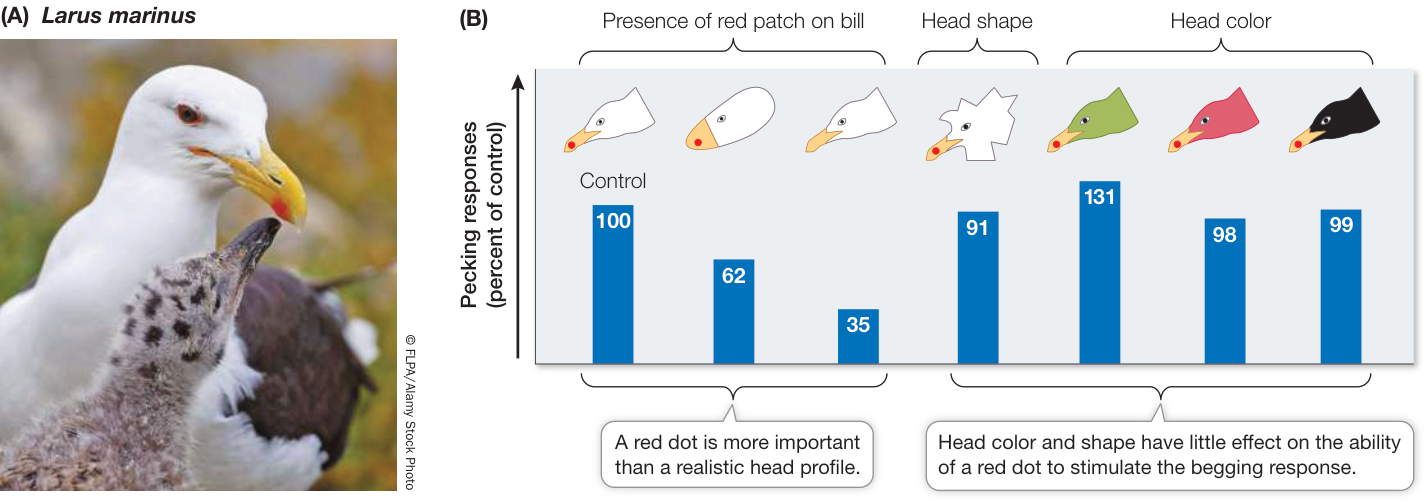
Figure 51.2 Releasing a Fixed Action Pattern (A) In many gull species, chicks instinctively peck at the red dot on the parent’s lower bill, a behavior that induces the parent to regurgitate food into the chick’s mouth. (B) Tinbergen’s work showed that the red dot on the parent’s lower bill is the critical component that releases the pecking response. (B after N. Tinbergen and A. C. Perdeck. 1950. Behaviour 3: 1–39.) Q: Why do you think sign stimuli are rather simple components of all of the sensory information available?
Connect the Concepts The evolution of populations into different species occurs when hybrids of the two populations have lower fitness. In those cases, selection favors mechanisms that prevent hybridization, and behavioral reproductive isolating mechanisms are the most common, as described in Key Concept 22.4.
The ethologists laid the foundation for the application of modern biological methods to the study of animal behavior. Tinbergen outlined the challenges for investigators as four questions:
- Causation: What is the mechanism underlying the behavior, and how can the relationship between mechanisms and behavior be modified by learning?
- Development: What experiences are necessary for a behavior to be displayed, and how does the behavior change with age?
- Function: How does the behavior affect the animal’s chances for survival and reproduction?
- Evolution: How does the behavior compare with similar behaviors in related species, and how might it have evolved?
The first two questions refer to the proximate causes of behavior: the immediate genetic, physiological, neurological, and developmental mechanisms that determine how an individual is behaving at a particular time. The third and fourth questions refer to the ultimate causes of behavior: the evolutionary processes that produced the animal’s capacity and tendency to behave in particular ways. In the key concepts that follow, we describe many experiments on animal behavior. For each one, ask yourself which of Tinbergen’s four questions it addresses and whether it focuses on proximate or ultimate causes of behavior.
Recap and Assess
Early scientific studies of animal behavior took two approaches. Behaviorists focused on the study of conditioned behavior in a few species of laboratory animals and asked questions about learning. Ethologists studied genetically determined behavior in many species in their natural environments and asked evolutionary questions.
- What distinguishes fixed action patterns from behaviors resulting from Pavlovian or operant conditioning?
- What variables might account for a genetically determined behavior not being expressed in a deprivation experiment?
- What are proximate and ultimate causes of mating-display behavior?
The work of the ethologists left no doubt that behavior can be genetically determined, but how? Genes code for proteins, whereas behaviors are highly complex traits involving sensory input and intricate patterns of control over responses to that input. Is it reasonable to think that a single gene can have a specific effect on a behavior?
Behavior Can Be Genetically Determined
Learning Objectives
51.2.1 Describe an example of a single gene influencing a behavior.
51.2.2 Discuss the kinds of evidence that support the claim that single genes can influence behavior.
51.2.3 Explain the evolutionary benefit of a gene expression cascade that influences behavior.
The work of ethologists showed the strong genetic basis for most animal behaviors. Of course, most animals are insects and other invertebrates, and even among the vertebrates most are not mammals, let alone primates. So even though the controversy over the relative influences of nature versus nurture in human behavior has raged for many years, the dominant role played by genes in shaping behavior is amply documented by research on other species. Genetically determined complex behaviors such as the web spinning of spiders or the mating behaviors of dabbling ducks mentioned previously must surely depend on many genes. Yet with the rapid development of genomic analytical technologies, comparisons of genomes and gene expression patterns of animals with different behavioral phenotypes are producing many examples of single gene alterations that produce behavioral differences.
Single gene mutations can alter behavioral phenotypes
Are you a morning person or a night person? Some people are early risers and function best in the morning, and others have their best work hours late at night. It is possible that this big difference in the behavior of individuals could be due to differences in a single gene. This story begins with fruit flies, Drosophila. Fruit flies, like virtually all organisms, have daily rhythms that continue even if all external time cues are taken away. But without external time cues, these rhythms do not span exactly 24 hours, which is why they are called circadian (circa, “about,” + dies, “a day”). Investigators using chemicals to randomly mutate genes in Drosophila found one gene that controlled the duration, or period, of the circadian rhythms of the flies. This gene was named per for period, and variants of this gene caused short or long circadian periods. We now know that there are many more genes involved in circadian rhythms, and that these genes are highly conserved in organisms ranging from Drosophila to humans. One variant of the per gene in humans results in familial advanced sleep phase syndrome. The affected individuals have short circadian rhythms and tend to go to sleep and wake up earlier than others.
That single genes can influence even complex behaviors should not be surprising. Many behaviors depend on a particular signaling molecule or a particular receptor molecule, and a change in the gene for that signal or receptor could therefore dramatically change the behavior. For example, mutation in a gene for an olfactory receptor could result in the ability to sense a different odorant. Even changes in the expression pattern of a gene can alter a complex behavior. As discussed at the beginning of Chapter 7, prairie voles (Microtus ochrogaster) are highly monogamous, and both sexes give much parental care to their young. Montane voles (M. montanus), in contrast, do not form pair bonds, are promiscuous, and provide a shorter period of maternal care than prairie voles. The difference between these two species lies in the expression of the receptors for the neuropeptides vasopressin (males) and oxytocin (females): there are far fewer receptors for these neuropeptides in the brains of montane voles, and their expression patterns in the brain are different. We’ll return to the social systems of voles in Key Concept 51.6.
Knockout experiments reveal the roles of specific genes
As discussed in Chapter 18, in a knockout experiment, one of an organism’s genes is made nonfunctional (“knocked out”) to see what effect its elimination has on the organism’s phenotype. Knocking out genes involved in sensory pathways can have pronounced effects on behavior. One example is a gene for a specific olfactory receptor in mice.
As we discussed in Key Concept 44.2, mice have two olfactory organs: the nasal olfactory epithelium common to all mammals, and a small organ in the nasal passages called the vomeronasal organ, or VNO (Figure 51.3). Catherine Dulac at Harvard University discovered that pheromone receptors are expressed in that organ. Pheromones are signal molecules that are released into the environment and are used for communication between individuals of the same species. Dulac hypothesized that when sex pheromones produced by female mice bind to the receptors in the male’s VNO, they stimulate mating behavior. To test this hypothesis, Dulac created a genetically engineered male mouse in which a gene for VNO receptor signaling was knocked out. Contrary to the hypothesis, the knockout males in fact did pursue and mate with females placed in their cages. However, they also pursued and tried to mate with males placed in their cages. Normally a male mouse reacts aggressively to a strange male, but the knockout male could not discriminate between males and females placed in his cage. Thus proper functioning of this one VNO receptor is essential not for sexual attraction, but for sex identification. You can imagine how selection working on this one gene could modify the intensity of male–male aggression and lead to changes in social behavior.
Gene cascades can control complex behavioral phenotypes
Male courtship behavior in the fruit fly (Drosophila) is stereotypic, species-specific, and requires no learning—a classic fixed action pattern. When a male encounters a potential mate, he follows her, taps her body with his foreleg, extends and vibrates one wing, and licks her genitals (Figure 51.4A). The development of this complex male behavior is under the control of a single gene, called fruitless (fru), and the development of male anatomy is under the control of another gene, called doublesex (dsx). In both males and females, these two genes are part of gene expression cascades that differ in the splicing of the mRNA in the two sexes. Those splicing differences result in different dsx and fru gene products in males and females (Figure 51.4B). The female version of the Dsx protein controls the development of female anatomy, and the expression of fru in the male nervous system results in the organization of the neural circuitry controlling male sexual behavior.
There are two take-home lessons from this example. First, genes that control aspects of behavior, like other genes, are generally embedded in gene cascades that offer opportunities for simple genetic changes to alter the phenotype of even complex behaviors. Second, certain genes, such as dsx and fru, influence a range of other genes that contribute to complex behaviors. Modifications in any one of those genes or its expression can alter behavior. Thus even though no behavior is coded for by a single gene, alterations in single genes can influence behavior in ways that affect an animal’s fitness.
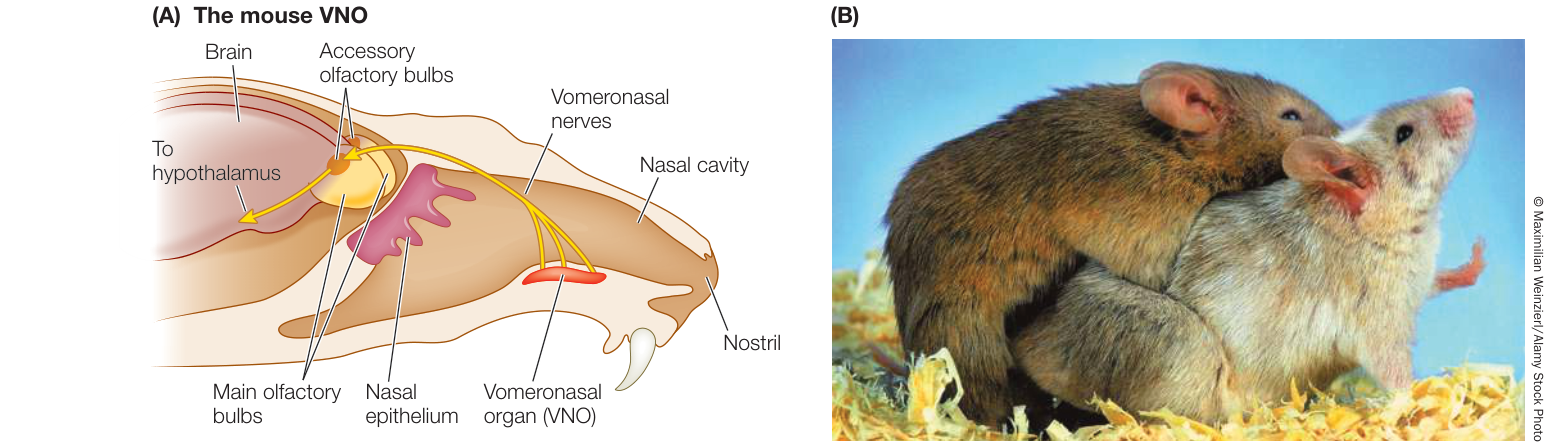
Figure 51.3 The Mouse Vomeronasal Organ Identifies Sex (A) The mouse VNO is located in the nasal passages. It contains pheromone receptors whose input travels to a specific region of the olfactory bulb (the accessory olfactory bulb). Projections from the accessory olfactory bulb go only to areas of the brain involved in sexual behavior, whereas projections from the main olfactory bulb go to many different areas of the brain (not shown). (B) In male mice, information from the VNO is crucial in identifying gender and thus a potential sexual partner.
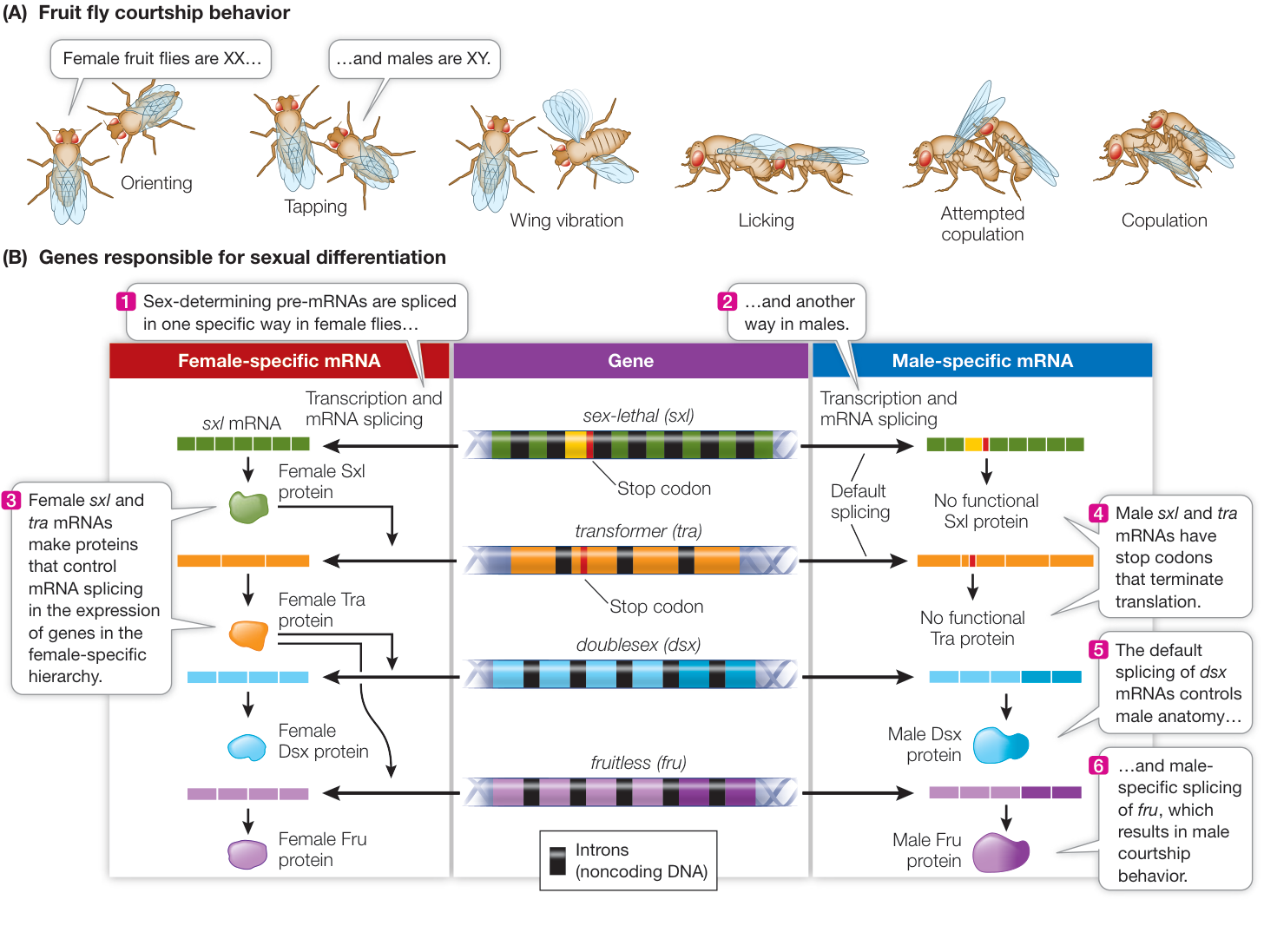
Figure 51.4 The fruitless Gene (A) Male fruit flies display stereotypic, species-specific courtship behavior. (B) Sexual differentiation in Drosophila is controlled by a cascade of gene expression, including the fru gene, whose expression results in male sexual behavior.
Recap and Assess
There are strong genetic determinants of behavior in most species. Gene manipulations such as mutations and knockouts show that a single gene can play a large role in the development and expression of a behavior. Although most behaviors are controlled by multiple genes, those genes frequently function in signaling cascades, so a single gene modification can influence even a complex behavior controlled by many genes.
- A method has been developed to increase the expression of oxytocin and vasopressin genes in montane voles. What difference might that treatment make in the behavior of these animals? If the expected result is not seen, what could be the reason?
- If you interbred two individuals from separate populations that bred true for a trait that differed between the two, and all of the offspring resembled one of the parents, what would you conclude about the genetic basis for that behavior?
- What could be an evolutionary reason for a species-specific mating behavior being controlled by a gene expression cascade, such as in Drosophila?
How can the genetic cascades that underlie complex behaviors be programmed to respond selectively to specific sets of stimuli? How can their expression be limited to appropriate times in an animal’s life? The answers to these questions can be found by studying how behaviors develop over the life span.
Behavior Can Be Studied Developmentally
Learning Objectives
- 51.3.1 Discuss examples of how hormones can affect the timing and expression of behavior.
- 51.3.2 Describe the evidence supporting the claim that genetics plays an important role in bird singing behavior.
- 51.3.3 Explain the evolutionary benefit of variability in the singing behavior of a bird species.
The emergence of behavior as an animal develops and matures depends on the development of the nervous system as well as on the growth and maturation of other body systems. But even with anatomical and physiological competence, specific behaviors may not be expressed. Behaviors that are adaptive at one stage in an animal’s life may not be adaptive at other stages. Behaviors typical of juvenile animals, such as begging for food, may disappear and new behavior patterns of a mature individual, such as courtship displays, appear.
Hormones can determine behavioral potential and timing
Hormones can determine the development of a behavioral potential at an early age and the expression of that behavior at a later age. An excellent example of this is sexual behavior in rats (Figure 51.5). Normally, adult male and female rats exhibit different patterns of sexual behavior: females adopt a sexually receptive posture, called lordosis, in the presence of males, and males copulate with receptive females. Neither sex expresses these behaviors until they reach adulthood. Experiments in which newborn and adult rats were neutered (to remove the influence of sex steroids naturally produced by their gonads) and artificially treated with hormones led to the following conclusions:
- Development of male sexual behavior requires that the brain of the newborn rat be exposed to low levels of testosterone. Female sexual behavior development does not require exposure to estrogen.
- Testosterone masculinizes the nervous systems of both genetic males and genetic females.
- Exposure to sex steroids in adulthood is necessary for the expression of sexual behavior, but testosterone produces male sexual behavior only in adult rats whose brains were masculinized when they were newborns, and estrogen produces female sexual behavior only in adult rats whose brains were not masculinized when they were newborns.
Thus the sex steroids that are present at birth determine which pattern of behavior develops, and the sex steroids that are present in adulthood determine when that pattern is expressed.
Some behaviors can be acquired only at certain times
Responsiveness to simple releasers is sufficient for certain behaviors such as begging behavior in gull chicks, but more complex information that cannot be genetically programmed is required for other behaviors. An example is parent-offspring recognition. When animals live in close proximity to other individuals, as in a herd or a nesting colony, it is important for parent and offspring to learn each other’s identity soon after birth so they will be able to find each other in a crowded situation. In many such cases, a parent–offspring bond is formed by imprinting. What characterizes imprinting is that an animal learns a specific set of stimuli during a limited time called a critical period, also known as a sensitive period.
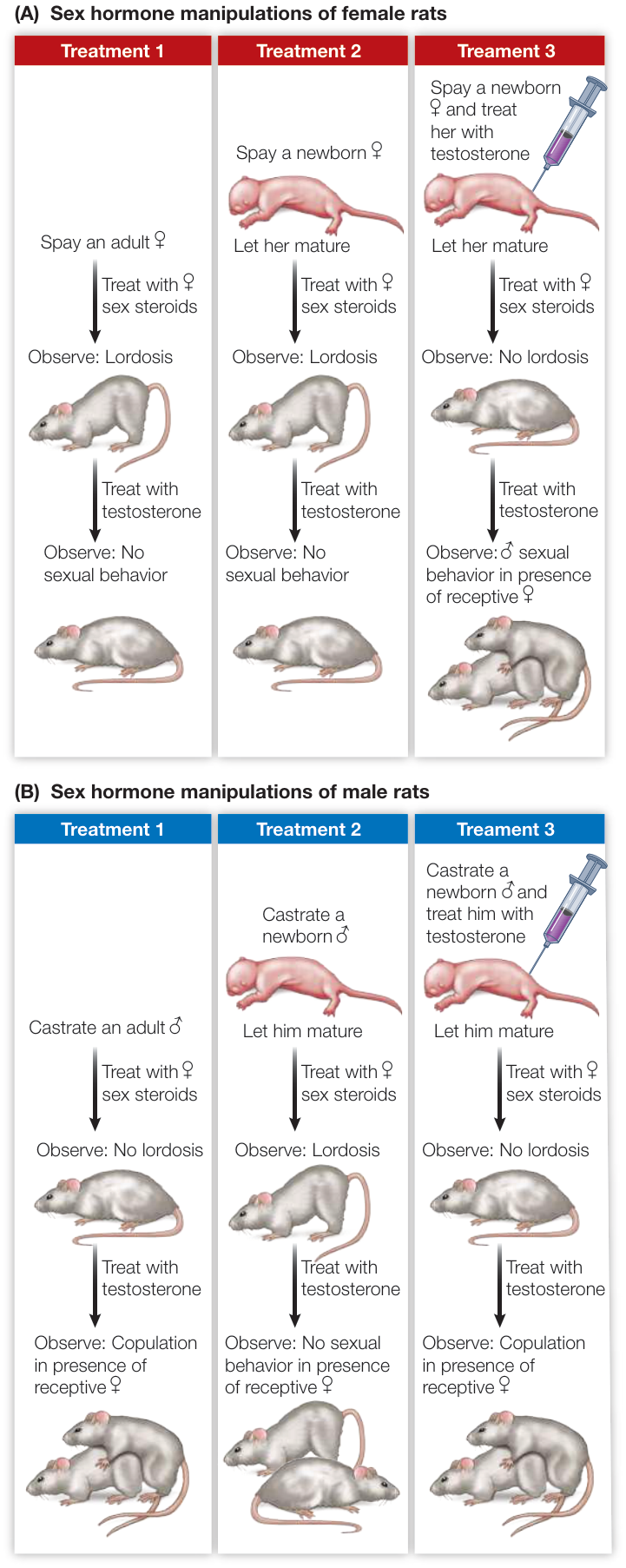
Figure 51.5 Hormonal Control of Sexual Behavior Experimental hormone treatments of rats demonstrated that the sex steroids present during early development determine which sexual behavior patterns develop, whereas the sex steroids present in adulthood control the expression of those behavior patterns. The elimination of sex steroids during early postnatal development reveals that the default pattern of behavioral development is female. (After S. Levine. 1966. Sci Am 214: 84–90. Based on illustrations by Bunji Tagawa.)
Konrad Lorenz demonstrated that young Graylag Geese imprint on their parents between 12 and 16 hours after hatching. By positioning himself to be present during this critical period, Lorenz succeeded in imprinting goslings on himself. The imprinted goslings followed him around as if he were their parent (Figure 51.6A). In a subsequent experiment his assistants wore boots with different patterns on them. The goslings imprinted on the boots, and even in a situation that mixed different groups of goslings, they always sorted themselves out by following their “parental” boots.
Imprinting requires only a brief exposure, but its effects are strong and long-lasting. Emperor Penguins reproduce during the coldest, darkest time of year in Antarctica. The adults walk up to 150 kilometers inland to form a dense colony, where the female lays her egg. She then walks back to the ocean to feed while her mate incubates the egg. By the time she returns, the chick has hatched. The female then takes over the chick’s care and feeding, and the father walks back to the ocean to feed. Generally he is away so long that the mother must leave to find food to avoid starvation. Thus after being away for weeks, the father must find his chick in a crowded, milling colony of chicks, all calling for their parents (Figure 51.6B). Yet he can unerringly locate his own offspring by recognizing its call, on which he imprinted before he left to feed.
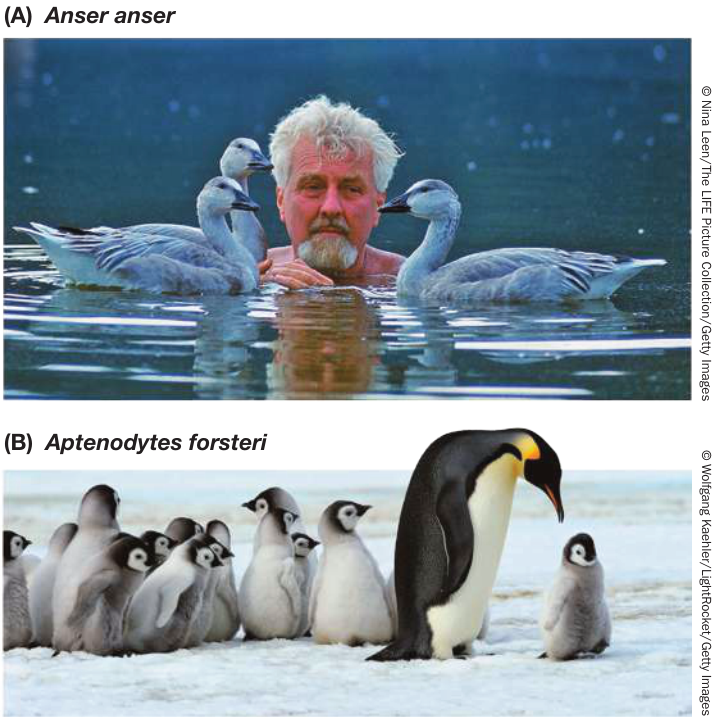
Figure 51.6 Imprinting Helps Parents and Offspring Recognize Each Other (A) Graylag Geese that imprinted on Konrad Lorenz as hatchings followed him everywhere he went. (B) Imprinting allows a male Emperor Penguin to find his own chick among many others.
The critical period for imprinting may be determined by a brief hormonal state. For example, if a mother goat does not nuzzle and lick her newborn within 10 minutes after its birth, she will not recognize it as her own offspring later. This critical period is associated with peaking levels of the hormone oxytocin in the mother’s circulatory system at the time she gives birth and at the same time she is sensing the olfactory cues emanating from her newborn kid. A female goat rendered incapable of smelling before giving birth is unable to differentiate between her own kid and other kids after giving birth.
Birdsong learning involves genetics, imprinting, development, and social interactions
The study of White-crowned Sparrow singing at the beginning of this chapter is a classic case of how genetics, physiology, and experience come together in the development and expression of behavior. Genetics endows the birds with a neural template that must be matched by experience during early development. That type of learning—imprinting—is limited to a critical period by processes of developmental physiology. Months later, the onset of sexual maturation motivates the birds to sing, initiating a second phase of learning that requires the birds to use auditory experience to develop the motor patterns required for the full expression of species-specific song (Figure 51.7). At the end of this learning phase, the song becomes permanent, or crystallized. Thus the overall process of transmission of a complex species-specific behavior necessary for reproductive success is well adapted to preserving constancy of the behavior. But variation is an important component of evolution.
Variation in birdsong is evident in nature. There are subtle differences between the songs of any two males, including those in neighboring territories. Regionally, White-crowned Sparrows have dialects, and a bird migrating into an area that has a different dialect can adopt that song pattern. There are even observations of White-crowned Sparrows singing the songs of closely related species. In a laboratory experiment, White-crowned Sparrows were raised in isolation but exposed to the sight and song of a male of a closely related species while recordings of White-crowned Sparrow song played on speakers in the background. When those birds matured, they sang the song of the closely related species. The ability to incorporate variation into an individual bird’s song may relate to social interactions such as fitting into a regional norm, displaying individual qualities to a potential mate, and maintaining a bond between mates.
To investigate questions about the adaptive significance of variations in the male singing behavior, it is necessary to take female choice into consideration. Sarah Woolley and Allison Doupe at the University of California, San Francisco did that with Zebra Finches (Taeniopygia guttata), a species that has become a valuable model system for studying the neurobiology of birdsong. When male Zebra Finches sing in isolation, their song is variable (“undirected”), almost as if they are improvising and trying out new motifs. In the presence of females, however, they sing “directed” song (directed to a female) that is less variable. Woolley and Doupe conducted experiments to see which songs female Zebra Finches preferred (Investigating Life: Practice Makes Perfect). The females preferred directed song, and if mated, they preferred the directed songs of their mates. Thus the ability to incorporate variations into the species-specific song may be important to establish individuality and influence mate choice, but the nature of the singing depends on the social context.
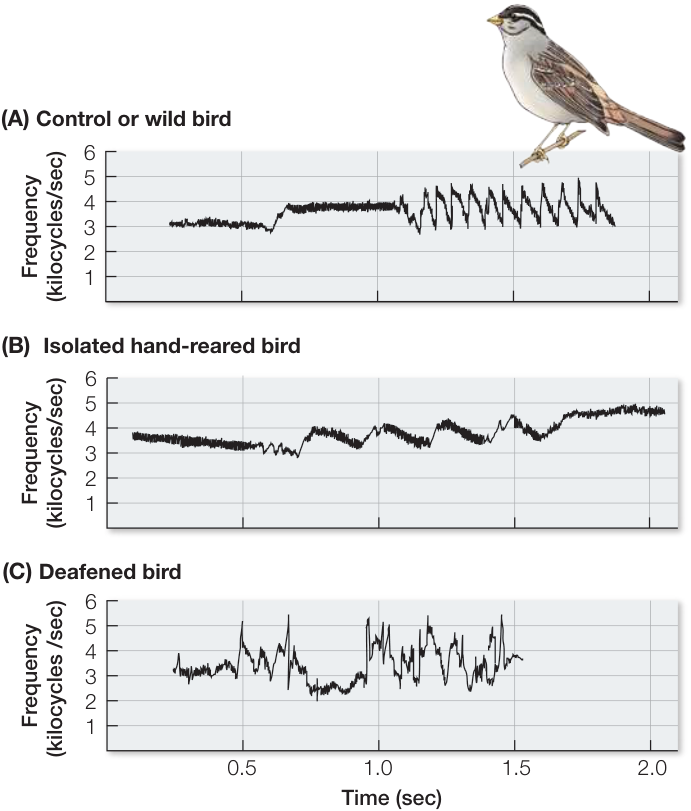
Figure 51.7 Critical Periods for Song Learning (A) Sonogram showing the species-specific song of an adult male White-crowned Sparrow (Zonotrichia leucophrys). (B) Song of an adult male raised in isolation (never having heard the song as a nestling). (C) Song of an adult male that heard the song as a nestling but was deafened prior to ever singing himself. Experiments showed that the bird must first acquire a song memory by hearing the song as a nestling, and must then be able to hear himself as he attempts to match his singing to that song memory. (From M. Konishi. 1965. Z Tierpsychol 22: 770–783.)
Timing and expression of birdsong are under hormonal control
Both male and female songbirds hear their species-specific song as nestlings, but only the males of many species sing as adults, and most do so only in spring. Hormones underlie both the difference in song expression between male and female songbirds and the timing of song expression. When investigators injected adult female songbirds with testosterone in spring, those females sang their
▶ Investigating LIFE Practice Makes Perfect
Experiment
Original Paper: S. C. Woolley and A. J. Doupe. 2008. Social context-induced song variation affects female behavior and gene expression. PLOS Biology 6(3): e62/CC BY 4.0
When male Zebra Finches (Taeniopygia guttata) sing alone, they improvise (undirected song), but when they sing in the presence of a female, they sing a stereotyped (directed) song. Woolley and Doupe asked whether the quality of the song influenced the behavior of the female.
HYPOTHESIS Female Zebra Finches have a preference for directed over undirected song, and can identify the song of their mate.
METHOD
- Record males singing alone and singing in the presence of their mate.
- Place a female in the center chamber of a three-chamber apparatus; the female should be able to move between the chambers. Play recordings of her mate’s directed song in one end-chamber and of her mate’s undirected song in the other end-chamber.
- Record the amount of time the female spends in the different chambers.
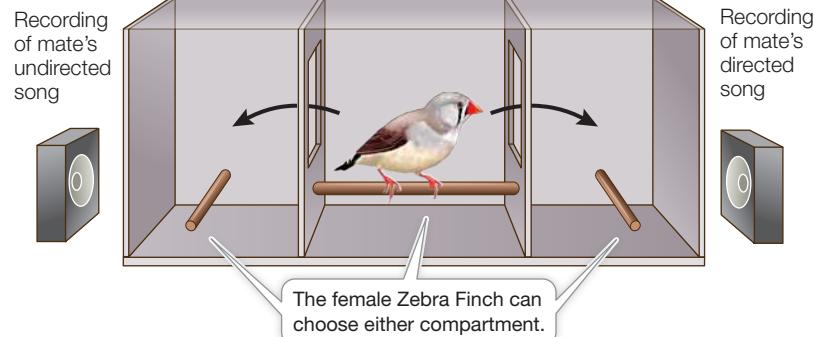
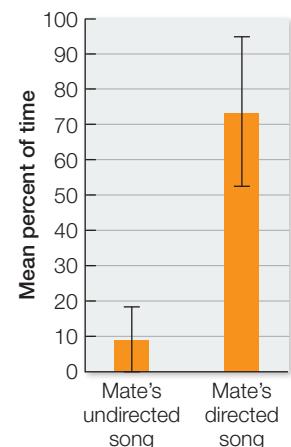
RESULTS Females spent a higher percentage of time in the chamber in which their mate’s directed song was played. The data show results for 17 females with means and standard deviations. The P-value from a paired t-test is < 0.001.
CONCLUSION Females can discriminate between their mate’s directed and undirected songs and are more attracted to the directed song.
Investigating LIFE Work with the Data follows on the next page.
Work with the Data
Since the experiment showed that female Zebra Finches could distinguish between the directed and undirected songs of their mate, the next question was whether they could distinguish between the directed song of their mate and the directed song of other males. A second experiment used the same protocol as did the first one, but the two songs that were played to each female were the directed song of her mate and the directed song of an unfamiliar male. The results are shown in the table.
| Percent time spent close to: | |
|---|---|
| Unfamiliar directed song | Mate’s directed song |
| 25 | 55 |
| 15 | 81 |
| 8 | 43 |
| 7 | 78 |
| 6 | 92 |
| 6 | 92 |
| 5 | 90 |
| 5 | 50 |
| 5 | 86 |
| 4 | 85 |
| 4 | 84 |
| 3 | 83 |
| 3 | 81 |
| 3 | 80 |
| 2 | 73 |
| 1 | 72 |
| 1 | 97 |
| 0 | 98 |
QUESTIONS
- If you hypothesized that the female’s preference for her mate’s directed song was a factor in pair bonding rather than just a mating stimulus, what data would test this hypothesis?
- Plot the data as bar graphs. Show the means and standard deviations, and do a paired t-test to determine the significance level. Can females distinguish their mate’s directed song from the directed song of an unfamiliar male?
- What do these results suggest about the mating system of the Zebra Finch?
- What hypotheses can you suggest about the function of undirected song?
species-specific song just as males did. Females as well as males form a memory of their species-specific song when they are nestlings, and they have the physical capacity to sing, but under normal circumstances they lack the necessary hormonal stimulation.
How does testosterone cause a songbird to sing? Each spring an increase in circulating testosterone levels causes certain parts of the male’s brain necessary for learning and developing song to grow larger. Individual neurons in those regions of the brain increase in size and grow longer extensions, and the number of neurons in those regions increases. Thus hormones can control behavior by changing brain structure as well as brain function, both developmentally and in response to environmental cues.
Recap and Assess
Genetics can determine what behaviors can be learned, and hormones can determine the critical period when they can be learned as well as the motivational states that trigger their expression. Imprinting ensures the ability of individuals to recognize other individuals or species at a later time. Some capacity for variation of genetically determined and imprinted behaviors enables behavior to be shaped by social context.
- Why is female considered to be the default pathway for the development of sexual behavior in rats?
- Explain why a songbird deafened in adulthood can sing its song, but a songbird deafened before reaching sexual maturity cannot.
- Under what conditions might variability in a species-specific behavior be adaptive or not be adaptive?
Complex behaviors are the product of interactions of genetic, physiological, and environmental factors. Many genes are involved in shaping behavior, and therefore there are multiple opportunities for selection to favor behavioral modifications. Questions about how changes in behavior adapt animals to environmental conditions are the province of an evolution-based field called behavioral ecology.
Selective Pressures Shape Behavior
Learning Objectives
- 51.4.1 Describe how a cost-benefit approach is applied to investigating animal behavior.
- 51.4.2 Describe different types of territorial behaviors and the cost and benefit factors that shape their evolution.
- 51.4.3 Explain why aggressive territorial behavior is associated with some essential resources but not others.
- 51.4.4 Explain how foraging involves trade-offs between nutrients acquired and the costs of energy required, opportunity loss, and risk.
Most of the behaviors we have discussed so far involve interactions among individuals. The individual also interacts with its environment, and many behaviors have evolved as adaptations to the environment. Environmental conditions can be highly variable over time and space. Behavioral ecologists strive to discover the relationships between behavior and environment, with the intent of understanding the selective pressures shaping the evolution of specific behaviors. Here we offer just a few examples.
Animals are faced with many choices
Animal behavior is largely a sequence of choices: where and when to move, where to build a nest, what to eat, when to fight and when to flee, with whom to associate, with whom to mate. Making wrong choices reduces fitness. Behavioral ecologists seek to discover what information animals use to make behavioral choices and how that information relates to the environmental conditions that influence fitness.
Where an animal lives is referred to as its habitat. In most cases the habitat provides not only protected nest sites, but also food and access to mates. The environmental cues animals use to select their habitats may be quite simple. For example, seabirds select cliffs or offshore rocks for nesting, and both of those sites offer protection from predators. Animals with very specialized food requirements select habitats where those foods are abundant. The general hypothesis that guides behavioral ecologists is that the cues animals use to select habitats are reliable predictors of conditions suitable for future survival and reproduction.
For many species, the presence of conspecifics—other members of the same species—can be a valuable cue. Observing conspecifics can provide animals with information about the quality of a habitat. You can’t argue with success. During the breeding season, European Collared Flycatchers (Ficedula albicollis) are nosy neighbors, regularly visiting the nests of conspecifics. Researchers hypothesized that this behavior allows the flycatchers to assess the quality of the habitat by seeing how well their neighbors are faring. To test this hypothesis, they created some areas with supersized broods—normally an indication of abundant food—by taking young birds from some nests and adding them to nests in another area. The next year, flycatchers preferentially settled in the areas where broods had been artificially enlarged.
Behaviors have costs and benefits
A cost–benefit approach can be used to investigate the relationships between behavior, environment, and fitness. A cost–benefit approach assumes that an animal has only a limited amount of time and energy, and therefore cannot afford to engage in behaviors that cost more to perform than they return in benefits. A cost–benefit approach provides a framework that can be used to construct hypotheses and design experiments to investigate why behavior patterns evolve as they do.
The benefits of a behavior are measured in terms of the enhancement in fitness an animal accrues by performing the behavior. The cost of a behavior typically has three components:
- Energetic cost is the energy the animal expends performing the behavior.
- Risk cost is the increased chance of being injured or killed.
- Opportunity cost consists of the benefits the animal forgoes by not being able to perform other behaviors at the same time.
Territorial behavior carries significant costs
Territorial behavior is a good subject for cost–benefit analysis. Territoriality is aggressive behavior that actively denies other animals access to a habitat or resource. Optimal habitats and resources may be in short supply, so conspecifics have to compete for them. Many animals—usually males—defend all-purpose territories that provide a nest site, food, and access to mates. The territory holder stakes out his boundaries by engaging in aggressive interactions with neighbors, and must then patrol those boundaries constantly and respond to trespassers. These aggressive interactions usually consist of highly stereotypic, species-specific displays such as bird-song. Through territorial behavior, the male obtains the resources he needs for reproductive success, but he also pays a price.
Territorial displays require considerable expenditure of energy, they make a male more vulnerable to predation, and they detract from the time he has for feeding or engaging in parental behavior. Catherine Marler and Michael Moore at Arizona State University performed an experiment to estimate the costs incurred by male Yarrow’s spiny lizards (Sceloporus jarrovii) when defending a territory. These lizards defend territories that include the home ranges of several females. Their territorial behavior is normally most intense during September and October when circulating testosterone levels of the males are high and the females are most receptive to mating. The researchers varied the intensity of the lizards’ territorial behavior by implanting testosterone capsules in some males in summer, when they are not normally highly territorial (Figure 51.8).
Testosterone-treated males spent more time patrolling their territories, performed more displays, and expended about one-third more energy than control males (energetic cost). They had less time to feed (opportunity cost), captured fewer insects, stored less energy, and had a higher death rate (risk costs). In summer, when females are not normally receptive, these high costs of vigorous territorial defense outweigh the reproductive benefits of territoriality. Thus natural selection has favored seasonal variation in the level of the hormone controlling territorial behavior in this species.
The cost–benefit approach explains the diversity of territorial behaviors seen in different species. Even if a resource is essential to an animal, if it cannot be defended economically, the animal will not engage in territorial behavior. Food is essential for all animals, but if the food is widely distributed in space or fluctuating in availability, there is no benefit to offset the high costs of defending it. For example, the distribution of food in the open ocean is highly variable, so there is no benefit to seabirds from trying to defend a patch of ocean. But safe nest sites on islands or rocky cliffs are in short supply, and they can be defended. The territories of seabirds may be no larger than the distance the birds can reach while sitting on their nests (Figure 51.9A).
In some cases the resource that is defended is the female herself. Northern Elephant Seals spend most of their lives at sea, but females come to land at traditional beach sites to give birth to their pups. Male elephant seals arrive at these sites ahead of time and stake out territories through vigorous fighting (Figure 51.9B). When the females arrive on the beaches, they have to enter the territories of the males. As long as the male territory holder can fend off challengers, he will be able to mate with all the females using his piece of the beach.
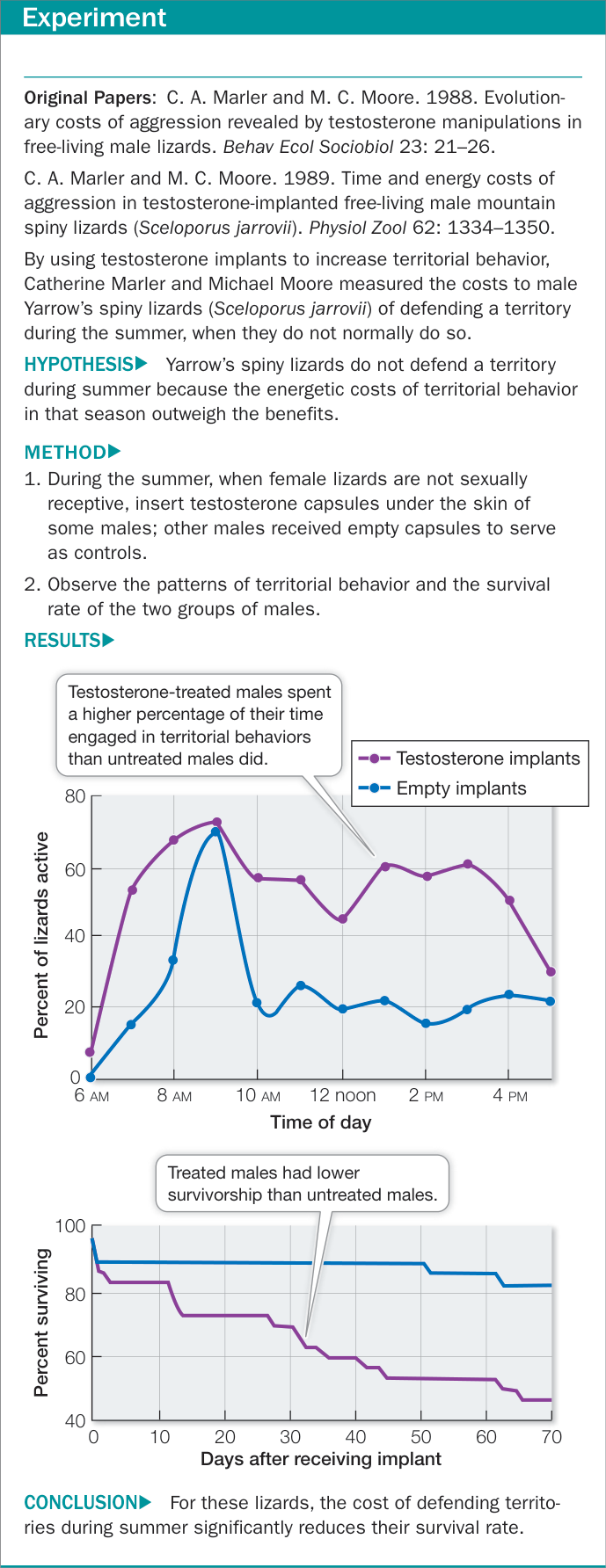
Figure 51.8 The Costs of Defending a Territory
One unusual form of male territorial behavior arises in situations in which neither food, nest sites, or females are defended. A lek is an area where males gather for the purpose of engaging in intense displays of their territorial prowess, aimed at impressing females and winning the opportunity to mate. Even though space is not limited, each male defends a small piece of real estate on which he performs a display (Figure 51.9C). Those territories closest to the center of the lek are the prime sites, and males compete intensely for those locations. The females visit the lek, observe the males, and generally mate with the males holding the prime sites. The benefit of this system to the female is that she is inseminated by a strong, successful competitor, and therefore her offspring will carry the genes that contributed to his success. This is another example of sexual selection (see Key Concept 19.2). The costs of lekking to males are high, as they engage in continuous, intense territorial behavior that precludes eating, drinking, and sleeping until they are displaced. The benefit to the male is the chance to maximize his fitness by mating with many females.
Foraging behavior has costs and benefits
Searching for food (foraging) involves many decisions: how much time to spend in each location, what is edible, and which potential foods should be eaten and which should be ignored. A cost–benefit approach to feeding behavior has resulted in an optimal foraging theory, which aims at identifying the fitness value of feeding choices. The primary benefits of foraging are nutrition: energy, minerals, and vitamins (see Key Concept 49.1). The costs of foraging are similar to those of other behaviors: energy expended, time lost from other activities that could enhance fitness, and the risk of increased exposure to predators.
Animals frequently make choices among food items that may differ not only in terms of energy content, but also abundance or ease of acquisition and processing. Optimal foraging theory predicts that in such situations, animals will make choices that will maximize the rate at which they obtain energy. The more rapidly a foraging animal satisfies its energetic requirements, the lower the opportunity costs and risk costs of foraging.
The energy maximization hypothesis considers food items in terms of the energy they provide, but animals have nutrient requirements in addition to energy that can play a role in shaping their foraging behavior. Essential minerals, for example, are in short supply in some animals’ diets, and those animals may incur large energetic costs and risks to obtain them (Figure 51.10). Some foods may also be sought for their medicinal value. Chimpanzees (Pan troglodytes), for example, have been observed eating the pith of the plant Vernonia amygdalina. The pith contains small quantities of a secondary metabolite, vernonioside B1, that is toxic to chimps at high concentrations, but at low concentrations vernonioside can kill their intestinal parasites. Chimps that consume this plant material have fewer parasites.
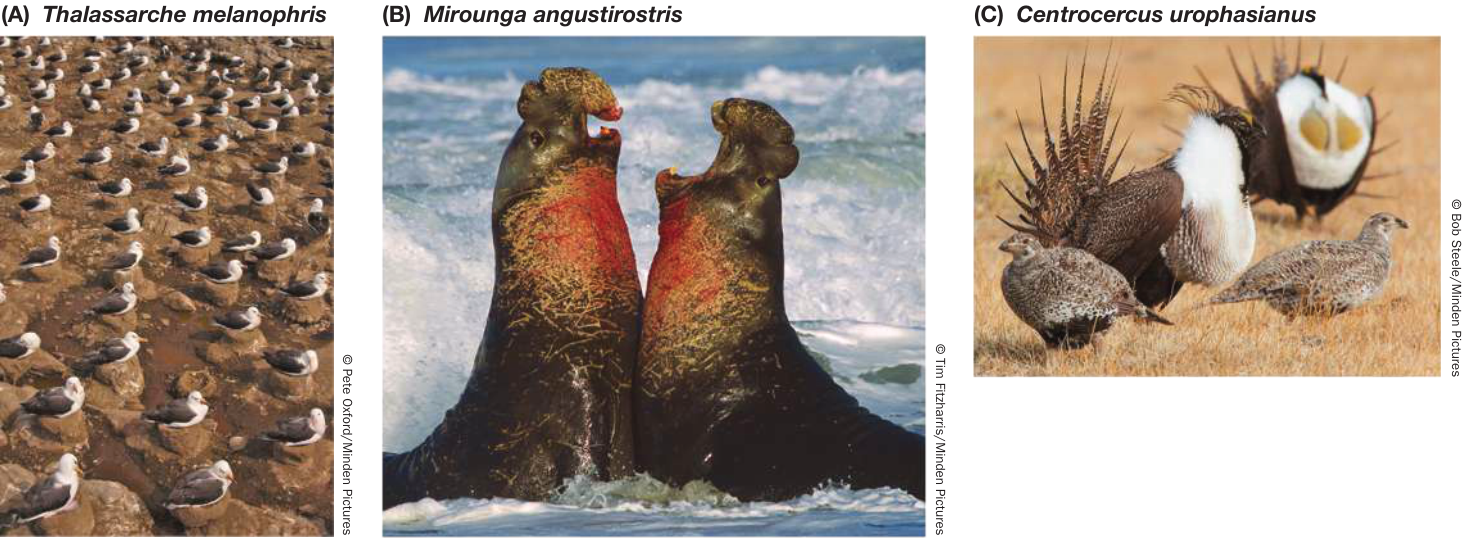
Figure 51.9 Animals Defend Territories of Different Sizes (A) The nesting territories of many seabirds, such as these Black-browed Albatrosses, consist of only as much space as the birds can defend without leaving the nest. (B) Male Northern Elephant Seals fight vigorously to defend areas of beach where females haul out of the water to give birth to their pups. (C) Male Greater Sage-Grouse gather at a lek in Colorado to perform displays aimed at impressing females and winning the opportunity to mate.
Recap and Assess
Many behaviors are shaped by environmental conditions that influence the decisions animals must make. Decisions can result in benefits that increase reproductive fitness, but they also involve costs, including energetic costs, opportunity costs, and risk costs. Cost–benefit analysis can be applied to territorial and foraging behaviors.
- Male Red-winged Blackbirds prefer to build nests in marshes, but they feed in upland meadows. What costs and benefits most likely shaped these behaviors?
- Cichlid fishes have dominant males that have colorful markings and defend territories. There are also nondominant males that are plain and do not defend territories but occasionally dash in when a female is spawning to try to fertilize some of her eggs. What are the costs and benefits of these two male phenotypes?
- Elephant seals defend big pieces of beach as mating territories, whereas prairie-chickens defend small pieces of grassland as mating territories. Male elephant seals are much larger than the females and viciously fight with one another over their territories. Male prairie-chickens are not much larger than females; they have elaborate displays, and they don’t fight viciously with neighboring males. What selective pressures have shaped the behaviors of these two different kinds of animals that defend mating territories?
- Consider a species that has a choice of two potential sources of food. One is calorie-rich but is dispersed in a sparse environment. The other is calorie-poor but occurs in dense patches in a protected environment. What selective pressures would likely shape the food preference of this species?
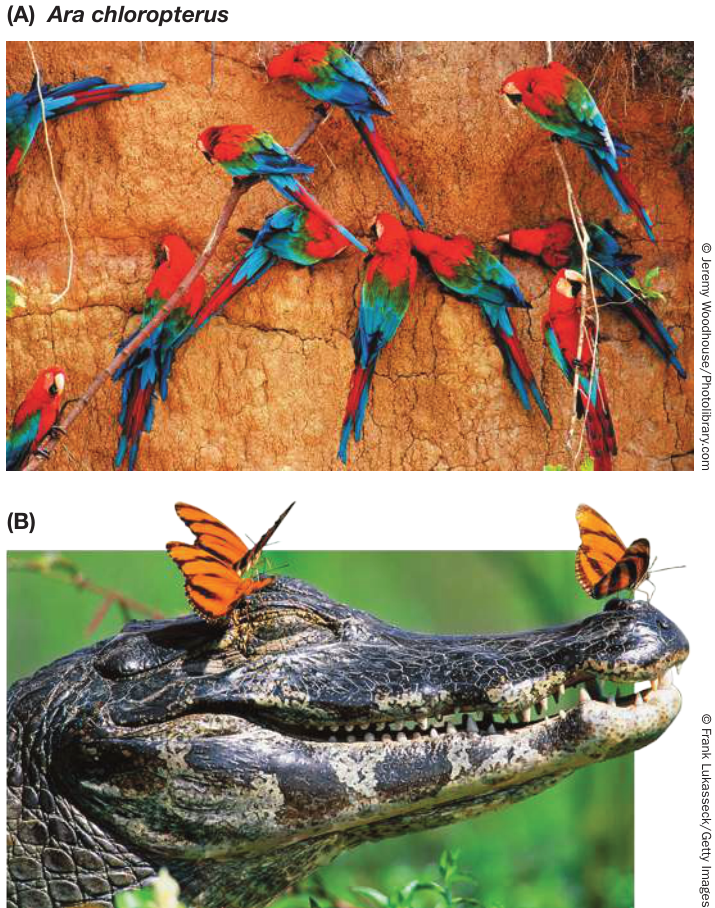
Figure 51.10 Herbivores Seek Out Unusual Sources of Minerals (A) Red-and-Green Macaws of the Amazon jungle obtain essential minerals by eating dried clay. (B) Heliconian butterflies obtain needed salts by drinking secretions from the skin and nostrils of a caiman.
Behavioral ecologists are interested in understanding how the natural environment influences the fitness value of behavioral choices—the ultimate causes of those behaviors, in Tinbergen’s terms. Other behavioral biologists focus on the physiological mechanisms that underlie the proximate causes of behavior.
Behavior Can Be Studied Mechanistically
Learning Objectives
- 51.5.1 Describe characteristics of circadian rhythms.
- 51.5.2 Explain the concept of a time-compensated solar compass.
- 51.5.3 Describe the different forms of animal communication and their advantages and disadvantages.
- 51.5.4 Evaluate the effectiveness of various forms of animal communication in specific circumstances.
Control of behavior involves the nervous and endocrine systems. Execution of behavior involves the musculoskeletal system as well as other effector mechanisms, such as those that produce secretions, color changes, electrical impulses, sound, and even light. We have already considered many of the physiological systems that are involved in these processes, including hormones, reproductive systems, nervous systems, sensory systems, and feeding mechanisms. The field of behavioral physiology, which encompasses aspects of all of these systems, is enormous, so here we dig deeper into just three different phenomena studied by behavioral physiologists: the timing of behavior, navigation, and communication.
Biological rhythms coordinate behavior with environmental cycles
Earth rotates on its axis once every 24 hours, generating daily cycles of light and dark, temperature, humidity, and tides. In addition, Earth is tilted on its axis, so the timing of light and dark changes as Earth revolves around the Sun. These daily and seasonal cycles profoundly influence the physiology and behavior of animals. Animal species are usually active either during the day (diurnal) or at night (nocturnal) and have sensory capabilities appropriate to this distinction. Therefore it is adaptive to organize behavior on a cycle that corresponds with the environmental cycle of light and dark. Similarly, a behavior that is adaptive at one time of year (such as midsummer) may not be adaptive at another time (midwinter). Thus it is important for animals to organize their behavior with respect to time of the day or year and to be able to anticipate those times.
CIRCADIAN RHYTHMS Experimental animals kept under constant conditions with no daily time cues such as light and dark, temperature cycles, or episodic availability of food and water still have daily cycles of activities such as locomotor activity, sleeping, eating, drinking, learning, and just about anything else that can be measured. The persistence of these daily cycles in the absence of environmental time cues suggests that animals have an internal clock. As we mentioned earlier, because these daily cycles are not exactly 24 hours long, they are known as circadian rhythms.
A biological rhythm can be viewed as a series of cycles, and the length of one of those cycles is the period of the rhythm. Any point in the cycle is a phase of that cycle. When two rhythms completely match, they are in phase, and if a rhythm is shifted (as in the resetting of a clock), it is phase-advanced or phase-delayed. Because the period of a circadian rhythm is not exactly 24 hours, it must be phase-advanced or phase-delayed each day to remain in phase with the daily cycle of the environment. In other words, the rhythm has to be entrained to the environmental cycle of light and dark.
The circadian rhythm of an animal held under constant conditions will run according to its natural period—it will be free-running. If the period is less than 24 hours, the animal will begin its activity a little earlier each day (Figure 51.11). The period of the free-running circadian rhythm is under genetic control. Different species may have different average periods, and within a species, mutations can lead to different period lengths.
Under natural conditions, environmental time cues, such as the onset of light or dark, entrain the free-running rhythm to the light–dark cycle of the environment. In the laboratory it is possible to entrain the circadian rhythms of free-running animals with short pulses of light or dark administered every 24 hours (see the bottom panel of Figure 51.11).
In mammals, the master circadian “clock” consists of two clusters of neurons just above the optic chiasm (the area of the brain where the optic nerves come together). These structures are called the suprachiasmatic nuclei (frequently referred to in the singular, or SCN). If the SCN of a mammal is destroyed, it becomes arrhythmic (loses its circadian rhythm) and is just as likely to eat, drink, sleep, or wake at any time of day.
A notable study by Martin Ralph and his colleagues, then at the University of Virginia, demonstrated that the SCN is both necessary and sufficient for circadian rhythms of mammals. In preparation for their experiment, the scientists bred two lines of hamsters. For one line they always crossed males and females with the shortest circadian periods in the population, and for the other line they crossed males and females with the longest circadian periods in the population. After many generations they had one lineage of hamsters that always produced offspring with short circadian periods and one that always produced offspring with long circadian periods. As in previous experiments, when the SCN of adult hamsters from either lineage was destroyed (lesioned), the animals became arrhythmic, showing that the SCN was necessary for circadian rhythmicity. After several weeks of arrhythmic behavior, the researchers transplanted SCN tissue from short-period hamster fetuses into the lesioned long-period hamsters’ brains (Figure 51.12). They also did the opposite experiment of transplanting SCN tissue from long-period hamster fetuses into lesioned short-period adult hamsters (data not shown). These experiments produced two remarkable results showing that the SCN was sufficient for circadian rhythms. First, the transplanted SCN tissue restored circadian rhythmicity in the lesioned animals. Second, the restored rhythms had the period of the donor lineage. Thus the transplanted tissues did not just stimulate a recovery
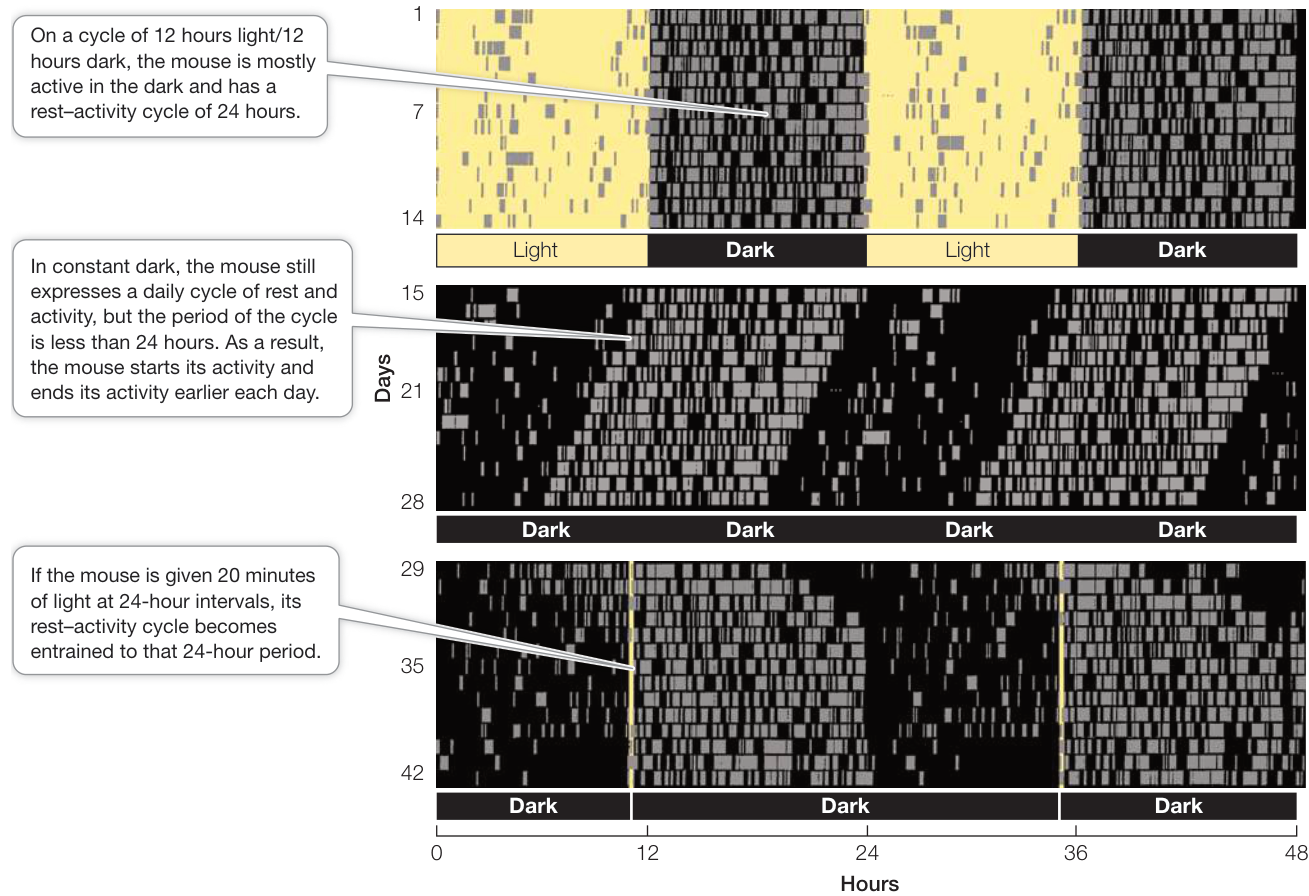
Figure 51.11 Circadian Rhythms Are Entrained by Environmental Cues The activity–rest cycle of a laboratory mouse (a nocturnal animal) responds to the light–dark cycle under which it is kept. The gray bars indicate times when the mouse is running on an activity wheel. Two days of activity are represented on each horizontal line. Thus day 1 is 0–24 and day 2 is 24–48. Then on the next line day 2 is replotted as 0–24 and day 3 is 24–48, and so on. This double plotting makes patterns easier to see.
Q: In going from the last activity tracing in the second panel to the light-pulse experiment in the third panel, does this transition and its effects on the circadian clock seem more similar to what you experience if you are recovering from jet lag after traveling from San Francisco to New York, or in the opposite direction?
response in the host animals, but took over the clock function in these animals and gave them the phenotype of the donor.
The molecular mechanism of the circadian clock involves negative-feedback loops. Although there are quite a few genes involved, including the per gene discussed in Key Concept 51.2, we can generalize about the mechanism by saying that when certain “clock genes” are expressed in SCN cells, the mRNA enters the cytoplasm, where it is translated. The resulting proteins combine, and the dimer returns to the nucleus as a transcription factor that shuts off the expression of the clock genes until the transcription factor is degraded. The period of this cycle is about a day. These findings show that it is possible to understand circadian rhythms of behavior at all levels, from the molecular rhythm generators to the environmental stimuli that entrain them to the daily cycle of light and dark.
CIRCANNUAL RHYTHMS Seasonal changes in the environment present challenges to many species. Most animals reproduce most successfully if they time their reproductive behavior to coincide with the most favorable time of year for the survival of their offspring. Many species require considerable advance preparation for reproduction. Migratory animals must arrive on their breeding grounds at the right time, and animals that have specialized structures used in mating displays, such as the antlers of deer, moose, and caribou, must grow these structures before the breeding season arrives.
For many species, a change in day length—the photoperiod—is a reliable indicator of seasonal changes to come. For others, however, change in day length is not a reliable seasonal cue. Hibernators, for example, spend long months in dark burrows underground but must be physiologically prepared to breed almost as soon as they emerge in the spring. A bird overwintering near the equator cannot use changes in photoperiod as a cue to time its migration to its temperate-zone breeding grounds. When held under constant laboratory conditions, such animals show endogenous circannual rhythms that keep track of the time of year. Unlike for circadian rhythms, the neural basis for circannual rhythms is unknown.
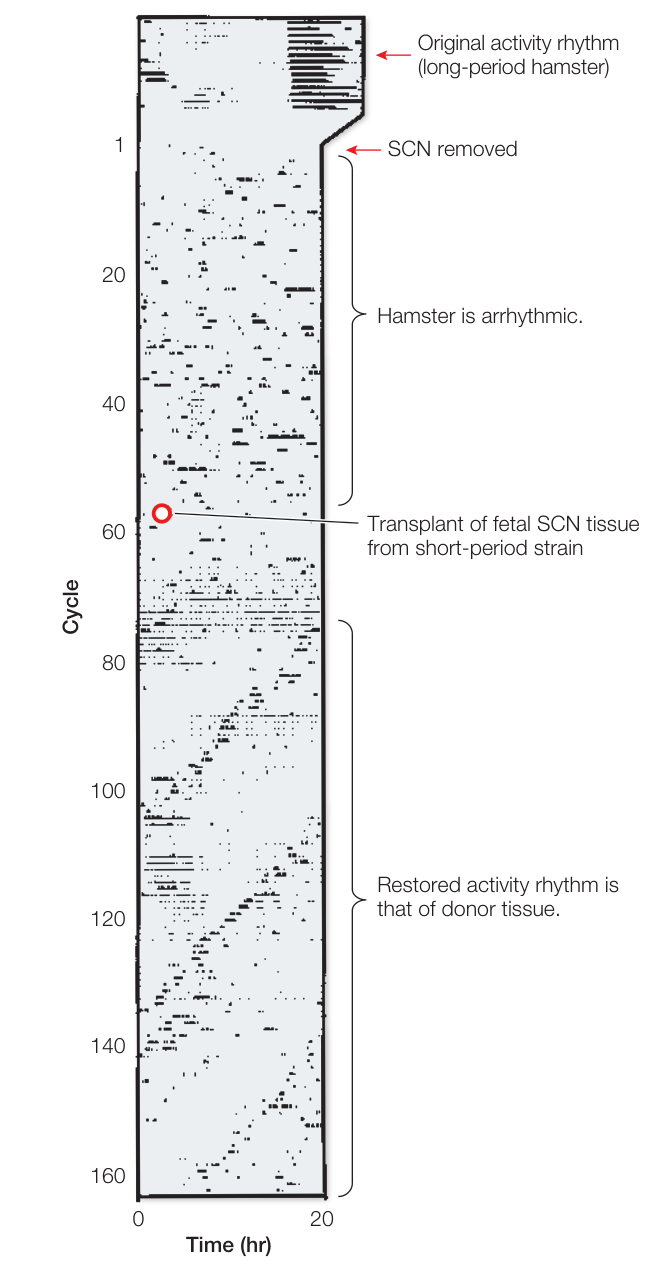
Figure 51.12 The Circadian Clock in the Brain Can Be Transplanted In this experiment, the activity rhythm of a wild-type (i.e., genetically typical) hamster was measured; this animal had a circadian period of 24.5 hours (top of bar). After its SCN was removed (lesioned), the hamster became arrhythmic. SCN tissue from a fetal “short-period” hamster (an experimental strain with a 19-hour circadian period) was then transplanted into the region where the lesion was made in the wild-type hamster. The transplanted tissues restored circadian rhythm in the lesioned hamster, but the restored rhythm had the period of the donor animal. (After M. R. Ralph et al. 1990. Science 247: 975-978.)
Connect the Concepts Photoperiodism is also a common phenomenon in plants that have to anticipate seasonal changes, and many do so by being sensitive to the length of the night. See Key Concept 36.2.
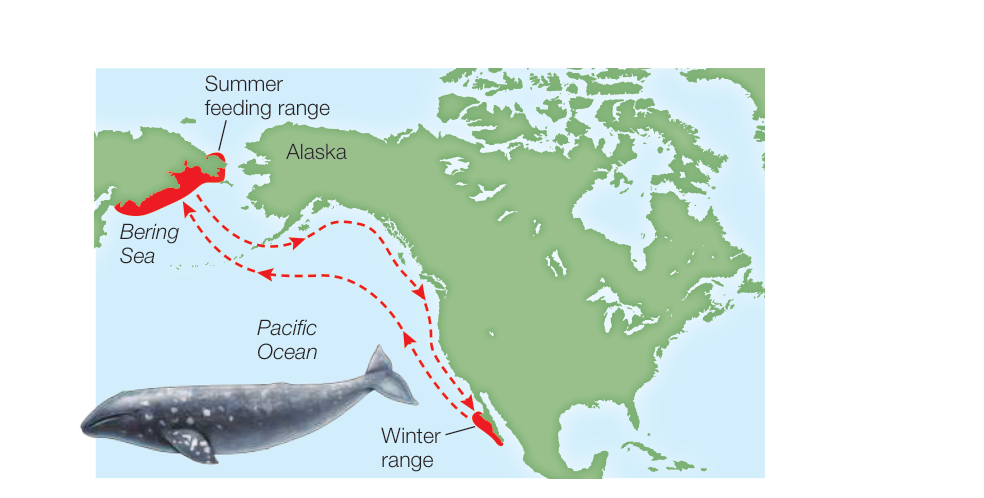
Figure 51.13 Piloting Gray whales (Eschrichtius robustus) migrate south in winter from the Bering Sea to the coast of Baja California by piloting, in part by following the western coast of North America.
Animals must find their way around their environment
To locate suitable habitats, find food and mates, and avoid predators and bad weather, an animal needs to be able to find its way around its environment. Within its local habitat, an animal can orient to landmarks. But what if its destination is a considerable distance away?
PILOTING: ORIENTATION BY LANDMARKS Most animals find their way by knowing and remembering the structure of their environment, a form of navigation called piloting. Gray Whales, for example, migrate seasonally between the Bering Sea and the coastal lagoons of Mexico (Figure 51.13). They find their way in part by following the western coast of North America. The rules are simple: keep the land on your right when traveling north and on your left when traveling south. Coastlines, mountain chains, rivers, water currents, and wind patterns can all serve as piloting cues for animals. But many remarkable cases of long-distance orientation and movement cannot be explained by piloting.
HOMING: RETURN TO A SPECIFIC LOCATION The ability to return to a nest site, burrow, or other specific location is called homing. Homing can be accomplished by piloting in a known environment, but some animals that travel long distances through unfamiliar territory perform much more sophisticated homing. The ability of pigeons to return to their home loft even after being transported to remote sites is well known. How do they find their way home? Experiments have shown that pigeons use the Sun as a compass, but they can still find their way home when the Sun is not visible. Other experiments have shown that pigeons equipped with frosted contact lenses can find their way home, suggesting that visual cues are not essential. Most amazing has been the demonstration that pigeons can detect Earth’s magnetic field and orient to it much as a human orients with a compass. Taken together, the studies of homing by pigeons suggest that they can use multiple, redundant sources of directional information and can switch among those sources depending on the circumstances.
MIGRATION: NAVIGATION OVER GREAT DISTANCES For as long as humans have inhabited high latitudes, they have been aware that entire populations of animals, especially birds, disappear and reappear seasonally. Not until the early nineteenth century, however, were patterns of migration traced by marking individual birds with identification bands around their legs. Only when individuals could be unmistakably identified was it possible to show that the same birds and their offspring returned to the same breeding grounds year after year, and that these same birds could be found during the nonbreeding season at locations hundreds or even thousands of kilometers from their breeding grounds.
Many homing and migrating species take direct routes to their destinations through environments they have never experienced because they use mechanisms of navigation other than piloting. Humans use two major forms of navigation:
- Distance-direction navigation requires knowing in what direction and how far away the destination is. With a compass to determine direction and a means of measuring distance, humans navigate.
- Bicoordinate navigation, also known as true navigation, requires knowing the latitude and longitude (the map coordinates) of both the current position and the destination, as well as a compass to determine direction.
Many animals seem to have a “compass sense” that allows them to use environmental cues to determine direction, and some seem to have a “map sense” that allows them to determine their position.
The behavior of some animals suggests that they are capable of bicoordinate navigation. Gray-headed Albatrosses, for example, breed on oceanic islands in the Southern Hemisphere. When a young albatross leaves its parents’ nest, it flies widely over the southern oceans for 8–9 years. After those wandering years, it reaches reproductive maturity and flies back to the island where it was raised, where it mates and builds a nest (Figure 51.14). How can the bird find a tiny island in an enormous ocean after years of wandering? We don’t know the answer, but the albatross provides strong circumstantial evidence that an animal can be capable of bicoordinate navigation, as were sailors before the days of global positioning satellites.
The ability to locate a position by calculating the angles between celestial objects such as the Sun and stars and the horizon at specific times of day is called celestial navigation. During the day, the Sun can serve as a compass if you know what time it is, and animals can use their circadian clocks for that information. This capacity has been demonstrated by “clock-shifting” experiments such as the one shown in Figure 51.15. Similar experiments have shown that many animal species can orient by means of a time-compensated solar compass.
Many animals are normally nocturnal; in addition, many diurnal bird species migrate at night and thus cannot use the Sun to determine direction. The stars offer two sources of information about direction: moving constellations and a fixed point. The positions of constellations (like that of the Sun) change because Earth is rotating. With a star map and a clock, direction can be determined using any constellation. But one point that does not change position during
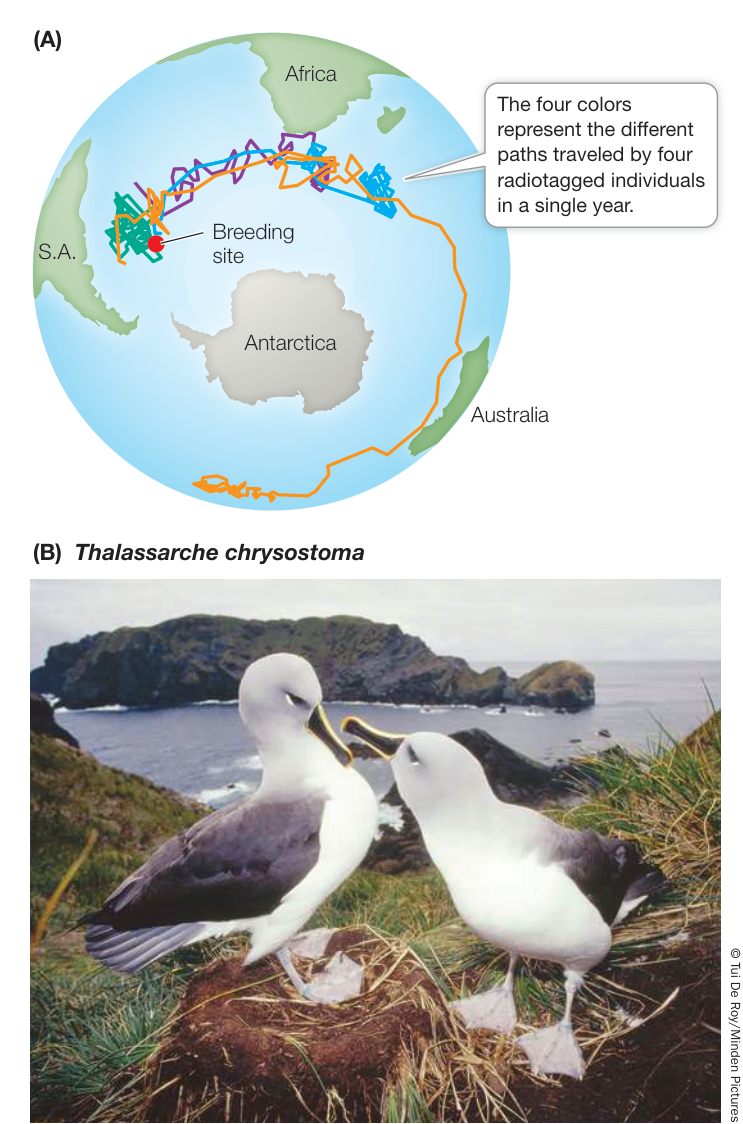
Figure 51.14 Coming Home (A) Gray-headed Albatrosses are born on islands in the subantarctic oceans. Young birds roam widely over the southern oceans for 8–9 years. (B) Once they reach maturity, the birds return to the island where they were hatched to mate and raise their own young. (A after J. P. Croxall et al. 2005. Science 307: 249-250.)
the night is the point directly over the axis on which Earth turns. In the Northern Hemisphere, the star Polaris—the “North Star”—lies in that region of the sky and reliably indicates north.
Stephen Emlen at Cornell University showed that birds can learn to use the stars for orientation. As the time of year approaches when young birds would normally migrate to their winter range, young captive birds become more active and orient their activity in the direction they would fly. How do they know that direction? If these birds are raised in a planetarium with a natural star pattern, but one that does not rotate, the birds do not learn to orient, and their premigratory activity is random. However, if the planetarium sky rotates, and even if it rotates around a different point than the North Star, the birds orient their premigratory activity as if the fixed point in the sky were north.
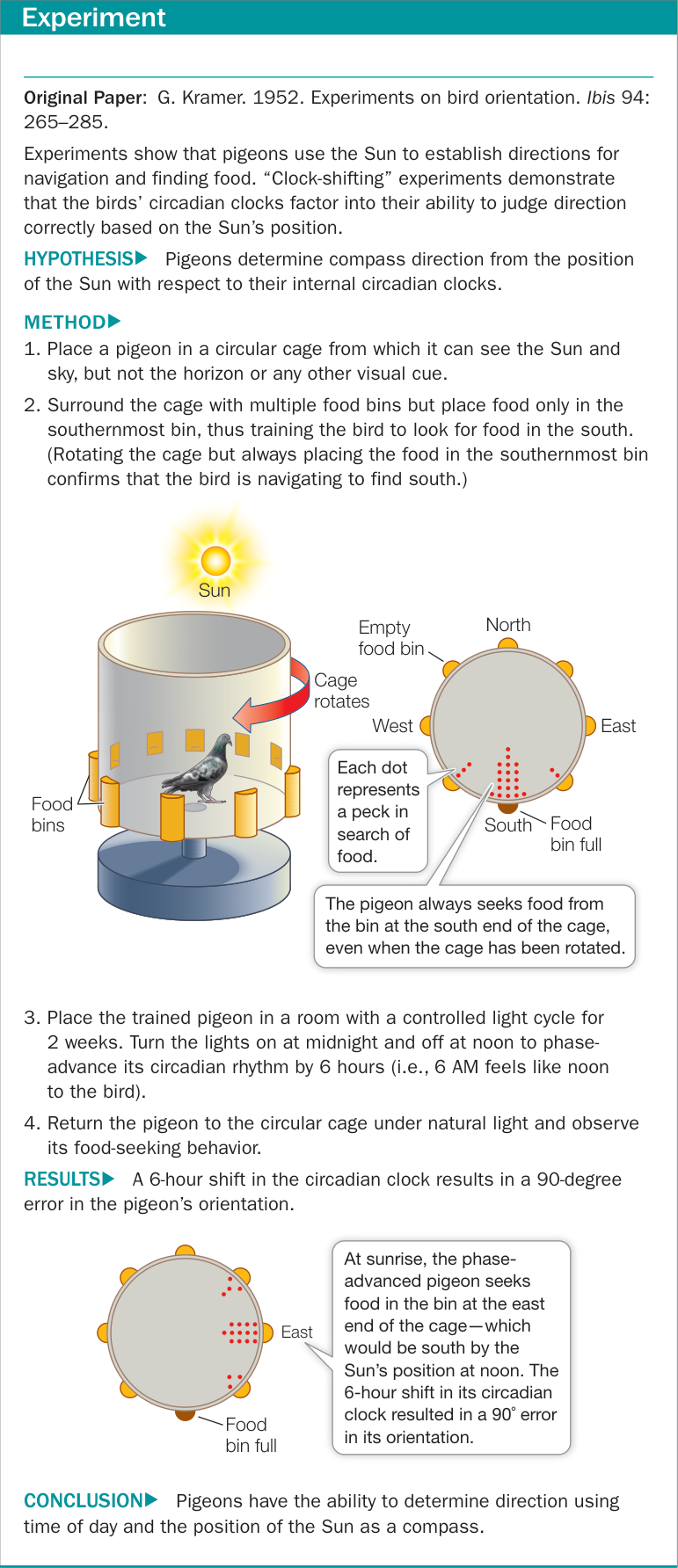
Figure 51.15 A Time-Compensated Solar Compass
Animals use multiple modalities to communicate
As individual animals interact, they exchange information; therefore animal behaviors can evolve into systems of information exchange, or communication. The behaviors of individuals may become elaborated into communication signals, but only if the transmission of information benefits both the sender and the receiver. To understand why these conditions must be met, consider male courtship displays, which can be quite bizarre, time-and energy-consuming, and involve risk. Nevertheless, natural selection will favor them if they increase the males’ probability of mating and passing on their genes. The displays can produce that result if they convey information to the females (the receivers) about the qualities of the males as potential fathers.
Animals communicate using a variety of sensory modalities that vary in the nature of the signal produced, the specificity of the information conveyed, the speed and persistence of the signal, and its suitability in different environments. Behavioral physiologists interested in communication must take into consideration the sensory and motor characteristics of their study animals, the physics of the communication modalities they use, and the environment in which the communication takes place.
CHEMICAL SIGNALS Because of the diversity of their molecular structures, pheromones can communicate very specific, information-rich messages (see Key Concept 44.2). Pheromones are effective day and night, and they can cover a broad range of transmission distances. Pheromones used in different types of communication vary in their volatility (ease of vaporization) and diffusibility; these chemical properties are functions of the nature and size of the pheromone molecule. Pheromones that act as alarm signals, for example, are highly volatile and diffusible, so their message spreads rapidly but disappears rapidly. Territory-marking and trail-marking pheromones have low volatility and diffusibility and remain effective for a long time, so they can convey directional information. Sex pheromones, such as that of silkworm moths (see Figure 44.4), are intermediate in these properties, so they can spread a long distance but do not disappear rapidly.
Pheromones are an effective way to exchange species-specific information, and because the recipient must have the proper receptor molecule to detect the pheromone, it is not a signal that is easily intercepted by predators. Pheromonal signals cannot be changed rapidly, but they can convey static, complex information. Mammals that mark their territories with pheromones reveal a great deal of information about themselves: species, individual identity, reproductive status, size (indicated by the height of the marking), and how recently the animal has been in the area (indicated by the strength of the scent).
VISUAL SIGNALS Visual signals offer the advantage of rapid delivery of information over considerable distances (depending on the environment and the visual acuity of the receiver); they also convey the exact position of the signaler. Signal content can be enhanced by movements (as in a courtship display) or by different postures. Effective visual signals, however, require sufficient light, and the receiver must be looking at the signaler. Thus visual communication is not particularly useful at night or in environments that lack light, such as caves and ocean depths. Some species have overcome this constraint with light-emitting mechanisms. Fireflies, for example, use an enzymatic mechanism to create flashes of light. By emitting flashes in species-specific patterns, fireflies advertise for mates at night.
Another drawback of visual signals is that they can be intercepted by other species. There are predatory firefly species, for example, that mimic the flash pattern of females of other species. A male that approaches the mimicking “female” becomes a meal rather than a mate. Thus deception can be part of animal communication systems, just as it is part of human communication.
ACOUSTIC SIGNALS Sound cannot convey complex information as rapidly as visual signals can. But acoustic signals, unlike visual signals, can be used at night and in dark environments. They are not hindered by objects that would interfere with visual signals, so they can be transmitted in complex environments such as forests. They are often better than visual signals at getting the attention of a receiver because the receiver does not have to be looking at the signaler for the message to be received. Sounds are also useful for communicating over long distances. Even though the intensity of a sound decreases with distance from the source, loud sounds can transmit information over much longer distances than visual signals can. The complex songs of humback whales (Megaptera novaeangliae), when produced at ocean depths of about 1,000 meters, can be heard hundreds of kilometers away, allowing these whales to locate one another across vast expanses of ocean. Humback whale populations that feed during the summer in the north Pacific Ocean migrate thousands of kilometers to winter breeding areas in either the eastern Pacific Ocean, the mid-Pacific Ocean (Hawaii), or the western Pacific Ocean (see Figure 53.4). Long-distance communication among individuals spread over such enormous expanses of open ocean is important if they are to congregate in rather limited breeding areas at the same time of year.
The information content of acoustic signals can be increased by varying their frequency, as you can see in the sonograms of the species-specific song of White-crowned Sparrows shown in Figure 51.7, and as you practice in your own speech. However, acoustic signals place the signaler at risk for detection by predators. This danger can be minimized by adjustments of frequency and signal structure that decrease the directional information the receiver can extract from the signal. Alarm calls tend to be pure tones (a single frequency) without much temporal structure (starts and stops). It is very difficult to localize such calls. By contrast, territorial calls tend to cover a broad frequency range and have temporal structure. These calls are easy to localize. The frequencies and structures of acoustic signals are also adapted to specific habitats. Different vegetation types, for example, have different sound-absorbing properties: pure tones at lower frequencies carry better in forests, and more complex calls at higher frequencies carry well in open habitats.
MECHANOSENSORY SIGNALS Animals in close contact with one another can communicate by touch. A classic case of mechanosensory communication is the dance of honey bees, first described by Karl von Frisch. Honey bees have a spectacular ability to navigate and can accurately communicate the location of food sources as far away as 10 kilometers. When a forager bee finds food, she returns to the hive and communicates her discovery to her hivemates by performing a vigorous waggle dance in the dark hive on the vertical surface of the honeycomb. Other bees follow the dancer and receive her message.
The waggle dance conveys information about both the distance and the direction of the food source. The dancing bee repeatedly traces out a figure-eight pattern as she runs on the honeycomb. She alternates half-circles to the left and right with vigorous wagging of her abdomen in the short, straight run between turns (Figure 51.16). Bees use the Sun as their compass, and the angle of the straight run indicates the direction of the food source relative to the position of the Sun projected down to the horizon. Even under cloudy conditions, the forager can provide directions to the food source because she can see polarized light. The bee’s circadian clock allows the dancer to adjust her dance to take into account the Sun’s movement during her return flight. The clocks of the recruits enable them to adjust their flight direction to accommodate the Sun’s changing position.
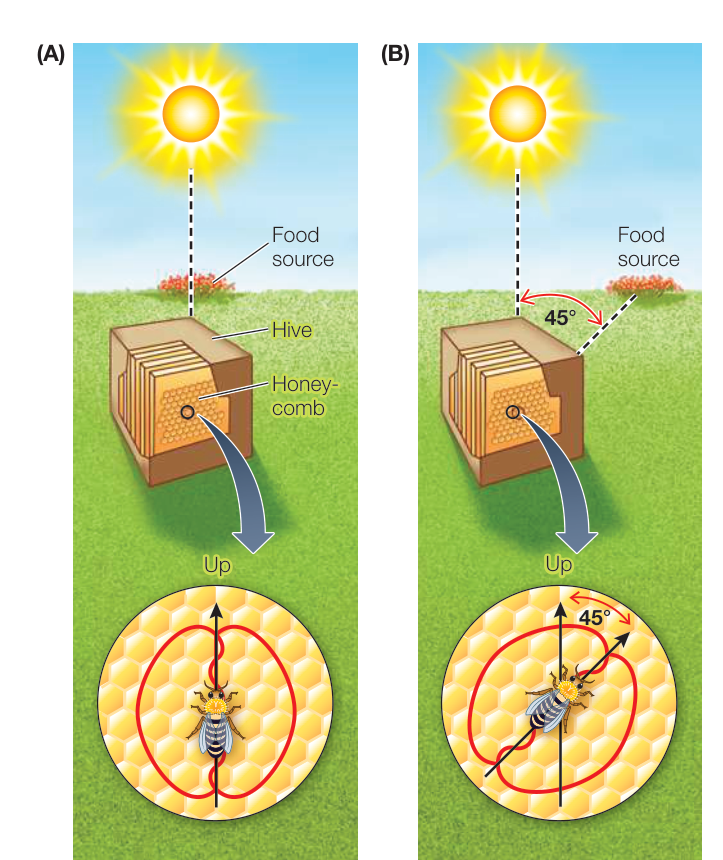
Figure 51.16 The Honey Bee Waggle Dance (A) A honey bee (Apis spp.) runs straight up on the vertical surface of the honeycomb in the dark hive while wagging her abdomen to tell her hivemates that there is a food source in the direction of the Sun. (B) When her waggle runs are at an angle from the vertical, the other bees know that the same angle separates the direction of the food source from the direction of the Sun. (After T. D. Seeley. 1985. Honeybee Ecology: A Study of Adaptation in Social Life. Princeton University Press: Princeton, NJ.)
The distance to the food source is communicated by the duration of the waggle portion of the dance. The farther away the food source is, the longer the duration of each waggle run. When food is close to the hive, the waggle portion of the dance becomes so short that it appeared to von Frisch that it was a different dance, which he called a round dance. Thus the honey bee has a dance language that communicates both the distance and the direction to a food source.
When challenged to prove that the bees were not simply using an odor trail to find the indicated food source, von Frisch responded with a very commonsense observation. Bees returning from a new food source fly around barriers such as buildings, but the recruits going out to the food source fly over the barriers in a “beeline,” which would be impossible if they were following an odor trail. Careful observation is still one of the best tools for studying behavior.
COMMUNICATION IN MULTIPLE SENSORY MODALITIES Avoiding ambiguity is a high priority in any signaling system. Signal specificity is enhanced if multiple sensory modalities are used. Courtship behavior in fruit flies, for example, involves visual, tactile, chemical, and acoustic signals (see Figure 51.4A). The male fruit fly orients toward the female’s line of vision (visual signal) and taps her body with his foreleg (tactile signal). Upon detecting pheromones in her cuticle (chemical signal), the male begins to vibrate one wing, producing a species-specific courtship song (acoustic signal). The male then extends his mouthparts to taste the female’s genitalia (chemical and tactile signals); if she is receptive, he initiates copulation. If at any point sensory feedback indicates to either the male or the female that their pairing is inappropriate, the courtship abruptly ends.
Recap and Assess
Biological rhythms allow an animal to anticipate changes in its environment. In mammals, a circadian clock located in the suprachiasmatic nuclei generates a rhythm that is entrainable by environmental information. The navigational abilities of animals range from simple piloting by landmarks to distance-direction and bicoordinate navigation. Behaviors may evolve into communication signals if the transmission of information benefits both the sender and the receiver.
- What is a free-running circadian rhythm, and how is it entrained by light to the 24-hour day?
- Why is it important for honey bees to have a time-compensated solar compass, and how does that mechanism influence the waggle dance?
- Which forms of communication are most efficient for inter-individual communication and for broader population-level communication? Explain your answer.
When behaviors involve interactions between multiple individuals, we have to consider how natural selection operates on all of the interacting parties, whether they are sending signals or receiving them. This concern becomes particularly relevant in the case of social behaviors.
Social Interactions Shape the Evolution of Behavior
Learning Objectives
- 51.6.1 Apply concepts of fitness to explain the evolution of social behaviors related to reproduction.
- 51.6.2 Explain how haplodiploidy relates to eusociality.
- 51.6.3 Identify costs and benefits of social behaviors.
Our discussion of behavior has focused mostly on behavior in individual animals. We’ve covered, for example, fixed action patterns, deprivation experiments, genetic determinants, development, and physiological mechanisms. Yet most behavior takes place in a social context. Social behavior and its evolution became a field of study in its own right in 1975, with the publication of E. O. Wilson’s landmark book Sociobiology. Mating, parenting, group behaviors such as migration, and group living such as in animal colonies all involve interactions among individuals, and selection operates on all participants in these interactions.
Mating systems evolve to maximize fitness
We begin consideration of this enormous field of social behavior with mating behavior involving a single male and a single female. Because natural selection is always operating to maximize the reproductive success of both the male and the female of the species, an amazing array of mating systems has evolved.
MONOGAMY AND PROMISCUITY At the start of Chapter 7 you learned about the mating behavior of two species of voles. Prairie voles are monogamous, forming strong pair bonds that can last for life, and both parents participate in rearing the young. In contrast, montane voles are promiscuous: males try to mate with many females, and the young are raised by the female alone. Behavioral physiologists have explained the proximate mechanisms behind these stark behavioral differences in terms of the release of neurohormones and the distribution of the receptors for those hormones in the brains of the two species. The ultimate question—and the one asked here—is why two such different mating systems evolved in two species that are so closely related.
There is an asymmetry in the contributions of male and female animals to their offspring at the time of fertilization. Females produce a limited number of eggs, and each egg is generously stocked with resources. Males produce an almost infinite number of sperm, which contain next to no resources. So the energetic and opportunity costs of reproduction are greater for the female than for the male. In mammals this asymmetry increases throughout gestation as the female bears most of the costs. By the time of birth or hatching, the female’s investment in the young is much greater than the male’s investment, and the main way for the female to maximize her fitness is to make sure her young are healthy and survive to pass on her genes.
The male has different options for maximizing his fitness. He can simply move on after inseminating the female and seek additional mates as a means of maximizing his reproductive success—as in the case of the montane vole. Or he can stay with the female he inseminated, protect her, and help care for their young—as in the case of the prairie vole. Which strategy maximizes male fitness in these species depends on several factors that are influenced by the environment, such as the likelihood that a female and her offspring will survive without a male’s help, and a male’s likelihood of finding another fertile female. Thus sociobiologists seek to quantify these factors in nature as a means of explaining observed differences in mating systems.
POLYGYNY Mating systems in which a male has more than one mate generally involve a male that manages to sequester a group of females from other males. The polygynous male increases his fitness by increasing the number of females in his group. As you saw in Key Concept 51.4, male elephant seals accomplish this by protecting an area of beach where females give birth. Male baboons do so by herding females. Male Red-winged Blackbirds (Agelaius phoeniceus) may acquire more than one mate by defending high-quality nesting territories where females prefer to build their nests. Since sex ratios in all these species are close to 50:50, a large differential in male fitness is established, with some males having high reproductive success while many males have none. Thus selection favors males that are successful in competing with other males to obtain and protect access to many females. In general, the bigger, stronger males are the winners, and sexual dimorphism in body size evolves. The elephant seals are an extreme example: males may weigh more than three times as much as females. When species with polygynous mating systems are compared, there is a strong correlation between the number of females a male controls and the degree of sexual dimorphism.
Why do females participate in these polygynous mating systems? Why doesn’t a female seek out a nice, kind, noncompetitive male? In some cases, such as the female elephant seal, she has no choice. If a female Red-winged Blackbird wants to nest in an optimal territory, she will have to share the attentions of the territory owner with other females. Even if the female has a choice of mates, she is likely to maximize her fitness by mating with a male that is strong and dominant enough to control a number of females. Why? If her mate is a dominant male, her male offspring are likely to have their father’s traits, become dominant males, and give her more grandchildren. Nonrandom mate choice by females based on male characteristics produces sexual selection. An extreme result of sexual selection is the lek mating system (see Figure 51.9C), in which the only thing a male offers a female is the display of his dominance over other males.
Connect the Concepts Charles Darwin recognized the phenomenon of sexual selection leading to the evolution of traits that could compromise the health and survival of the individual. See Key Concept 19.2.
POLYANDRY Mating systems in which one female mates with multiple males are relatively rare, but polyandry is seen in some birds and a few mammal species in which paternal care for the young can have a large effect on fitness. An example of a polyandrous species is the golden lion tamarin (Leontopithecus rosalia), a primate native to Brazil’s tropical rainforests (Figure 51.17). Tamarins are small—adults weigh less than 1 kilogram and face high predation pressure. Females usually give birth to twins, and newborns constitute a higher percentage of maternal weight than is typical of other primates. The young also grow more rapidly than other primates, so nursing costs are high. For all these reasons, young tamarins cared for by their mother alone are unlikely to survive.
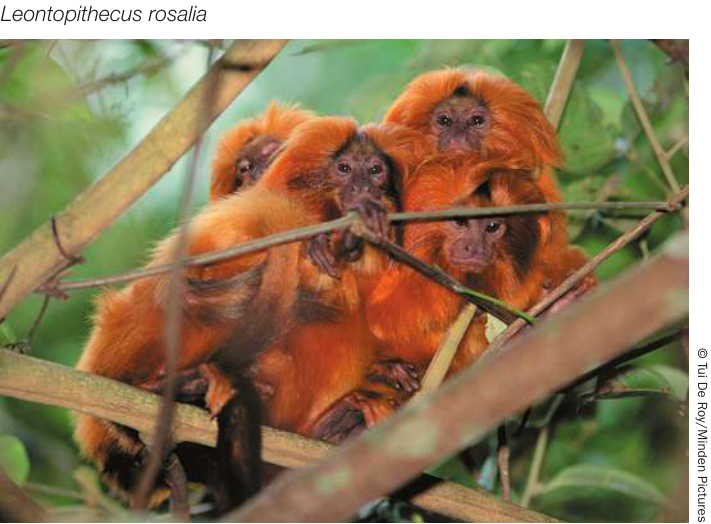
Figure 51.17 Polyandry in a Small Primate The endangered golden lion tamarins of Brazil are small primates whose unique life history has given rise to polyandry in some groups, with males playing a major role in rearing the young.
What can a male tamarin do to help guarantee his reproductive success? Watching out for predators is one obvious contribution; gathering food for the female and her young is another. Like other primate parents, tamarins carry their young most of the time, but most other primates have single offspring. When tamarin mothers are carrying twins, they spend 92% of the time resting, compared with 58% of the time when they are not carrying young. Resting is not compatible with foraging and filling the mother’s high energy requirements. When a male is present, however, he carries the young about one-third of the time, so the mother has much more time for foraging and feeding.
If one male tamarin is helpful in protecting and raising young, then two should be even more helpful. Some females can attract a second mate by being sexually receptive to him. Neither male can be sure that any eventual offspring are his, so it is in the best interest of both to help in their rearing. Of the tamarin families observed in field studies, only 22% had one male and one female, whereas 61% had multiple males and one female.
Fitness can include more than your own offspring
As humans, we readily understand the concept of extended family—brothers, sisters, aunts, uncles, nieces, nephews. Extended families are a common form of social organization in other species as well, and members of these families may cooperate in territory defense, predator avoidance, foraging, and rearing of young. If behavior is favored when it increases the fitness of the individual performing it, then how can we explain the evolution of social behaviors that do not lead to the performer having more offspring and that may even appear to be altruistic—benefiting another individual at a cost to the performer?
An individual’s fitness is increased by having offspring because those offspring carry the parent’s genes into the next generation. Fitness gained by producing offspring is referred to as direct fitness. However, an individual’s genes are carried into the next generation by more than his or her own offspring. In diploid organisms, two offspring of the same parents share, on average, 50% of the same alleles, and an individual is likely to share 25% of its alleles with its siblings’ offspring (nieces or nephews). Therefore by helping parents and other relatives raise their offspring, an individual increases the transmission of those shared alleles to the next generation. Inclusive fitness is the individual’s direct fitness plus its indirect fitness: the reproductive success of the individual’s relatives, to the extent that those relatives share the individual’s alleles.
The maximization of inclusive fitness is the mechanism driving kin selection, selection for behaviors that increase the reproductive success of relatives even when they come at a cost to the performer. One example is “helping at the nest” behavior, which was studied extensively in Florida Scrub-Jays. Scrub-jay pairs mate for life and establish large territories, which they defend aggressively. The mating pair may be assisted in rearing their young by three to five helpers (Figure 51.18). The helpers guard against predators, feed the young, clean the nest, and fly with fledglings. Why are these birds helping others rather than rearing their own young? A long-term study established several important facts:
The helpers are prior offspring of the mating pair and are usually 1–3 years old.
Young birds that attempt to breed have almost zero reproductive success.
Mating pairs with helpers have approximately three times the reproductive success of those without helpers.
These results support the conclusion that helper scrub-jays are maximizing their inclusive fitness by helping their parents raise siblings until they are mature enough to have a reasonable probability of successfully raising their own offspring.
The concept of kin selection was formalized by W. D. Hamilton in what has become known as Hamilton’s rule. He argued that, for an apparent altruistic behavior to be adaptive, the fitness benefit of that act to the recipient times the degree of relatedness between the performer and the recipient has to be greater than the cost to the performer. This relationship was clearly stated years before by the eminent geneticist J. B. S. Haldane, who said during an argument about altruism that he would not be willing to risk his life to save his brother, but for two brothers or eight cousins, he would consider it.
Eusociality is the extreme result of kin selection
Hamilton’s rule can be applied to explain eusociality: social groups that include nonreproductive members (that is, members that as individuals do not reproduce). The most obvious examples of eusociality occur among the Hymenoptera, an insect group that includes wasps, bees, and ants. In a honey bee colony, for example, the thousands of individuals in the colony are sterile females.
The key to understanding the evolution of eusociality in hymenopterans is their sex-determination mechanism, haplodiploidy, in which diploid individuals are female and haploid individuals are male. The queen carries a lifetime supply of sperm obtained during her single mating flight, and she controls whether her eggs are fertilized or not. An unfertilized egg develops into a haploid male; a fertilized egg develops into a diploid female. The queen’s daughters share all of their father’s genes and, on average, half of their mother’s genes. As a result, the sterile female workers in the hive—all sisters—share, on average, 75% of their alleles (Figure 51.19). The basic unit of reproductive success in eusocial insects is the creation of new colonies around a new queen. If a new queen developed from a worker’s offspring, the worker would share fewer genes with the new queen than if the new queen developed from a sister.
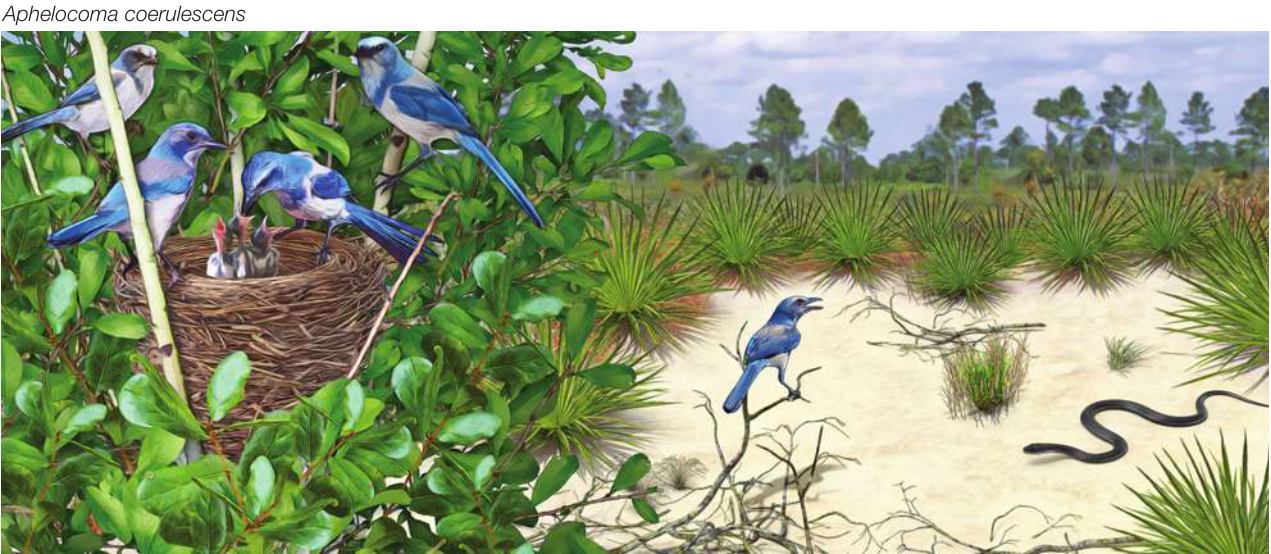
Figure 51.18 Helpers at the Nest Young Florida Scrub-Jays often forego reproduction in their first few years of adulthood to help their parents raise their siblings. These young birds help their parents feed the nestlings, defend the territory, and protect the nest from predators. (After E. O. Wilson. 1975. Sociobiology, The New Synthesis. Harvard University Press: Cambridge, MA.)
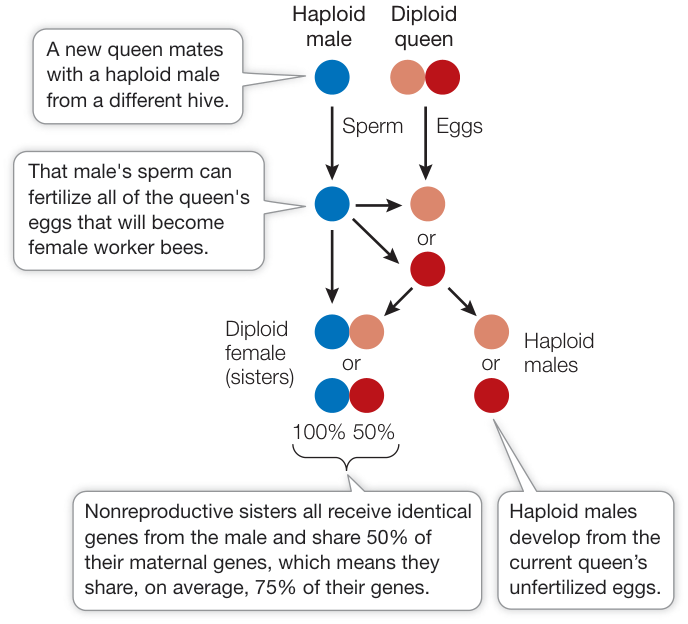
Figure 51.19 Favoring Sisters over Daughters Female honey bees are diploid and males are haploid. Thus if a female worker bee were to reproduce, she would share approximately 50% of her genes with her daughters. However, she shares an average of 75% of her genes with her sisters. In terms of inclusive fitness, then, a sister is more valuable than a daughter for this species.
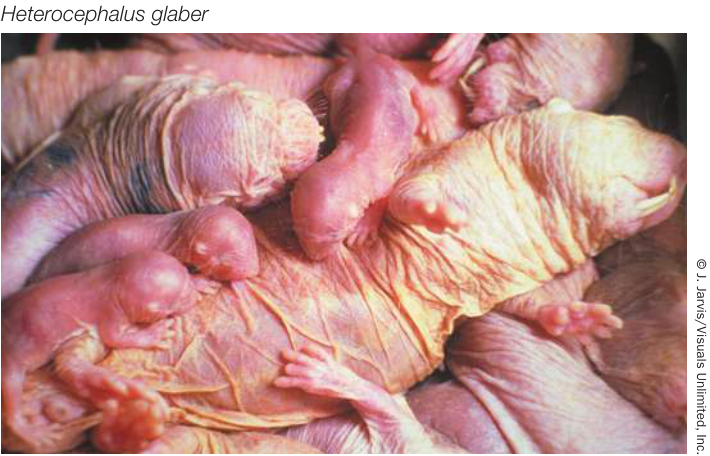
Figure 51.20 A Eusocial Mammal Naked mole-rats live in a large colony with one reproductive female and a few reproductive males. Their home is an elaborate tunnel system excavated by the colony over time.
Haplodiploidy is not essential for the evolution of eusociality. Nearly all eusocial animals construct elaborate nests or burrow systems within which their offspring are reared. Such a structure represents an enormous investment of resources. Naked mole-rats are eusocial mammals that live in elaborate underground tunnel systems (Figure 51.20). A colony may include 70–80 individuals but only 1 reproductive female and a few reproductive males. The other colony members are sterile workers that dig and maintain the tunnels, guard against intruders, harvest food (tubers), and use their feces to feed the queen and her offspring. Individuals attempting to found new colonies have a high risk of failing or of being captured by predators. When chances of individual reproductive success are practically zero, an individual can best maximize its inclusive fitness by staying with and helping maintain the colony.
Group living has benefits and costs
Apart from their direct influences on reproductive success, social systems can contribute to survival in many ways, but they can also involve costs. Thus the cost–benefit approach of behavioral ecology is relevant to understanding the evolution of social behavior.
An obvious example of a benefit of group living is improved foraging efficiency. By hunting in packs, African wild dogs (Lycaon pictus) (see Figure 57.17) employ cooperative strategies that enable them to bring down larger prey than could a single dog. The larger the pack, the greater the hunting success rate. Once the prey is killed, the presence of conspecifics also reduces the risk that the wild dogs will lose their prey to larger scavengers, such as hyenas.
Living in a group can also reduce the risk of individuals becoming prey themselves. Many small birds forage in flocks. To test the hypothesis that flocking provides protection against predators, R. E. Kenward released a trained Northern Goshawk (Accipiter gentilis) near wild Common Wood-Pigeons (Columba palumbus) in England. The hawk was most successful when it attacked solitary pigeons. Its success in capturing a pigeon in a flock decreased as the number of pigeons in the flock increased (Figure 51.21A). The larger the flock, the sooner some individual in the flock spotted the hawk and flew away. This escape behavior stimulated other individuals in the flock to take flight as well creating a distraction for the hawk.
Alarm calling is another means of reducing predation risk, but the caller incurs a risk cost by calling attention to itself. Belding’s ground squirrels live in large colonies in open meadows. When one squirrel announces the presence of a predator with loud, sharp barks, all the nearby squirrels dive into their burrows (Figure 51.21B). Paul Sherman of Cornell University showed that callers double their risk of being preyed on—so why do they do it? Research by Sherman and by others has shown that this altruistic behavior is a product of kin selection. In this polygynous species, males establish large territories in the spring that include the territories of several females, whom they inseminate. The females then drive off the males. Female offspring settle near their mothers, so neighboring females in a colony tend to be sisters, and they defend each other’s young. Sherman showed that males are less likely to give alarm calls than females, and that females are more likely to give alarm calls when related individuals are nearby.
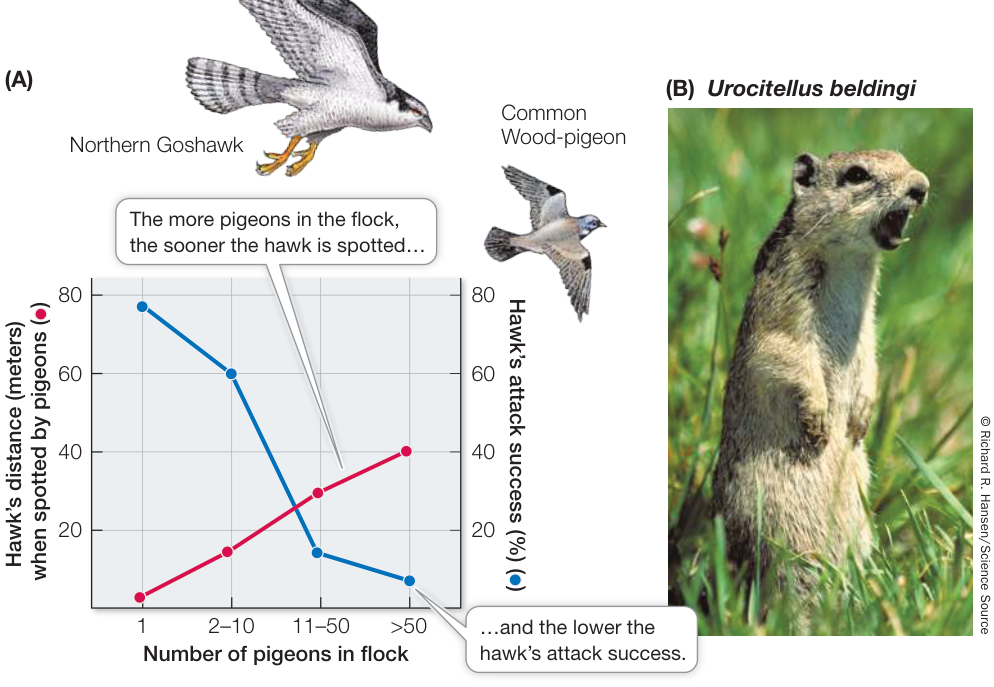
Figure 51.21 Group Living Provides Protection from Predators Animals that live in groups can spread the cost of looking out for predators. (A) The larger the number of Common Wood-Pigeons in a flock, the greater the chances that one of the pigeons will spot a predatory Northern Goshawk before it attacks, and the lower the chances that the hawk will capture one of the pigeons. (B) A male Belding’s ground squirrel gives an alarm call upon spotting a predator. Although this behavior increases his individual risk of becoming prey, he increases the survival chances of many of his close relatives. (A, graph after R. E. Kenward. 1978. J Anim Ecol 47: 449–460.)
Social behavior has many costs as well as benefits. Foraging in a group may reduce the amount of food available to each individual, and the foraging individuals may interfere with one another’s foraging activities. Individuals living in groups may face more competition for mates, as well as for food, than solitary individuals would. A large group may actually attract the attention of predators. And living at high population densities can increase the risk of disease transmission. The study of disease transmission in wild animal populations is a relatively new field, but such studies have made it apparent that species living in social groups are more prone to outbreaks of disease than are solitary species.
Can the concepts of sociobiology be applied to humans?
With the publication of E. O. Wilson’s Sociobiology, applications of the concepts of evolutionary genetics to human behavior were controversial. The intensity of the debate stemmed from false impressions that sociobiological approaches resembled previously discredited pseudoscientific movements such as social Darwinism, biological determinism, and eugenics, all of which have been used as rationales for racism and discrimination. However, sociobiology is an objective science; questions of “what is” should not be conflated with questions of “what ought to be.” For example, we can demonstrate the genetic basis of sexual dimorphism in body size and muscle mass in humans, and we can compare this dimorphism with that in other mammals. However, any attempt to use such data as a political or legal defense for the cultural practice of polygamy would not be science and should not be confused with science.
The fact that our biochemistry, our cell biology, physiology, and anatomy are shaped by our genes is beyond argument. However, it is clear that these genetically shaped characteristics are also influenced by factors such as environment, nutrition, social interactions, and culture. Why should it be different for behavior? Studies of identical twins reared apart have produced evidence for inheritance of uncanny similarities in behavioral propensities. Studies of isolated human cultures around the world have also revealed remarkable similarities in social organization. None of these studies, however, would challenge the dominant role of learning and culture in the shaping of human behavior.
Recap and Assess
Social behavior can be understood by asking how it contributes to the fitness of all the individuals involved. Asymmetry between the sexes in parental investment is a key factor in the evolution of mating systems. According to the theory of kin selection, an individual can increase its fitness by helping related individuals with whom it shares alleles. In extreme cases, kin selection has given rise to eusociality.
- Explain the selective pressures that favor an individual being a helper at the nest rather than engaging in reproduction.
- What is the relationship between haplodiploid sex determination and the evolution of eusociality in ants, wasps, and bees?
- Many species of small birds respond to the presence of a much larger predator by joining together to mob the predator and drive it off. What do you see as the risks and benefits of this behavior, and what hypotheses could you propose about the individuals taking part in an incidence of mobbing behavior?

Activity 51.2 Concept Matching: Animal Behavior
Investigating Life: Qanta How does social context influence the learning and expression of birdsong?
Birdsong is the classic example of how genetic determinants, development, physiology, and learning can interact to generate and control even complex behaviors. As you saw with the White-crowned Sparrow, the nestlings must experience their species-specific song if they are going to sing it (males) and respond to it (females) as adults. But there is a genetically determined template of what they can and will learn. With physiological maturation, they begin to sing poorly and must hear themselves and practice to be able to sing their species-specific songs. Social context also plays a role in learning small variations of dialects in song that may play a role in population as well as individual identity. Social context also influences what and when singing occurs. Singing intensifies in the presence of competitors and also potential or current mates. The experiments by Woolley and Doupe on Zebra Finches showed that even though there were only small differences between songs when males sang alone or in the presence of a female, these differences were clearly recognized by females and influenced their behaviors. Studies of birdsong emphasize the importance of considering the evolution of a behavior from the angles of all of the different individuals involved, and at the various levels of biological organization that contribute to the behavior.
Future directions
Language is considered a unique characteristic of humans. Many animals use simple acoustic signals to communicate, but the fine motor control necessary to produce precise, fine-tuned, rapid complex vocalizations is found only in humans and songbirds. Whereas birdsong is recognized to be an elaborate but highly stereotyped territorial and mating signal, studies like those of Woolley and Doupe show that small variations in song can convey more detailed information about the identity of the individual, its intentions, and the social context in which it is behaving. Can birdsong be used to convey more complex information? Can birdsong be a form of simple language? If so, we have much more to learn about the cognitive abilities of birds. Language is used to construct our views of ourselves and of our position in our physical and social environments, and to be able to project those views into the past and into the future—the essence of consciousness. Could birds be better models for human cognitive processes than the mammals typically used in laboratory studies?
© David Shaw/Alarny Stock Photo
You should be able to relate each summary to the adjacent figures. If you go to this visual summary in Achieve, you can follow links to figures, animations, activities, and simulations that will help you consolidate the material.
Visual Summary
Ethology Led to Modern Behavioral Biology
- ■ Studies of conditioned reflexes and operant conditioning led to an approach to animal behavior called behaviorism that mainly carried out laboratory experiments on rats.
- ■ Ethology focuses on both the proximate causes of behavior (the immediate causes of the behavior, and how the behavior develops) and the ultimate causes (how the behavior affects the animal’s evolutionary fitness).
- ■ A major focus of ethologists was fixed action patterns and their releasers. They performed deprivation experiments as well as crossbreeding experiments to demonstrate that certain behaviors are genetically determined.
- An airport sniffer dog is rewarded with a food treat when it detects drugs, guns, or other illicit substances. Is this type of training an example of operant conditioning or Pavlovian conditioning? Explain your answer.
- What are Tinbergen’s four questions for studying animal behavior? Cite an example of each from this chapter.
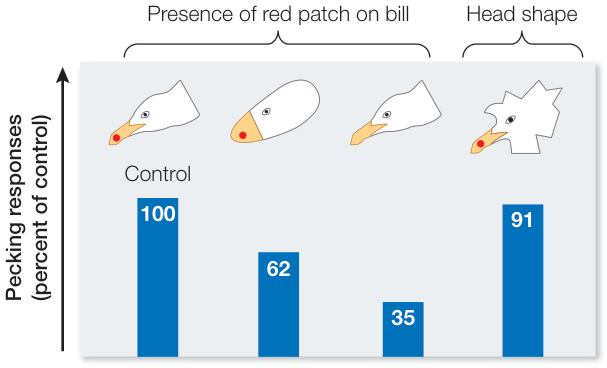
Figure 51.2
Behavior Can Be Genetically Determined
- ■ Genetic manipulations such as gene knockouts can reveal the roles of specific genes underlying a behavioral phenotype.
- ■ Most behaviors are complex traits involving many genes that function in cascades, offering many points for a change in a single gene to influence behavior.
Questions
- What is the function of the vomeronasal organ (VNO) in mice?
- How does posttranscriptional splicing of mRNA determine sex development in Drosophila?
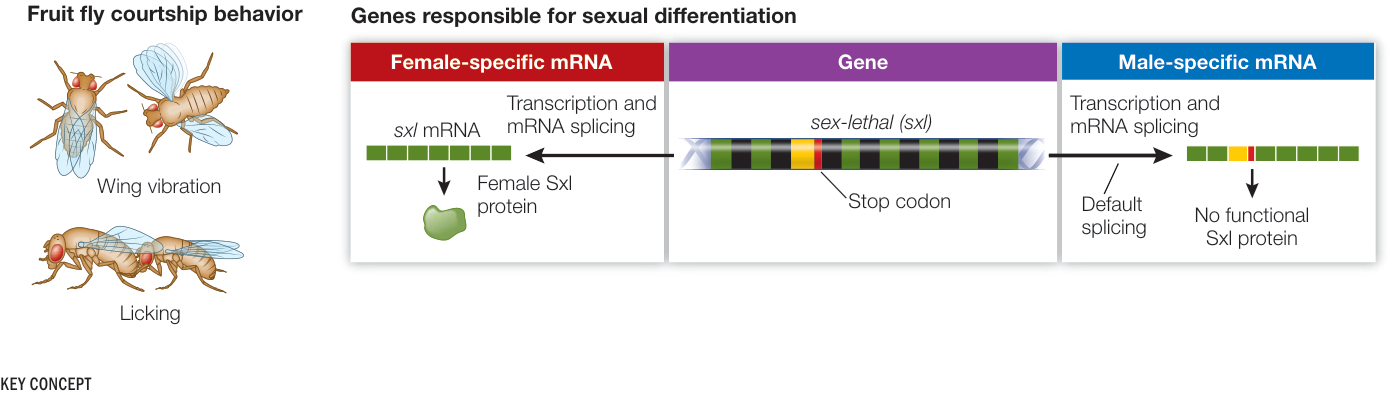
Figure 51.4
Behavior Can Be Studied Developmentally
- ■ Hormones can determine the pattern of behavior that develops and the timing of its expression.
- ■ Imprinting is a process by which an animal learns a specific set of stimuli during a limited critical, or sensitive, period. That critical period may be determined by hormones.
- ■ The development and expression of song in White-crowned Sparrows involve a genetic predisposition to learn the species-specific song, a critical period for imprinting of a song memory, and hormonally controlled timing of song expression. Social interactions may also play a role.
- ■ The ability to incorporate variations into species-specific behaviors may be important in establishing individuality and influencing mate choice.
Investigating Life: Practice Makes Perfect
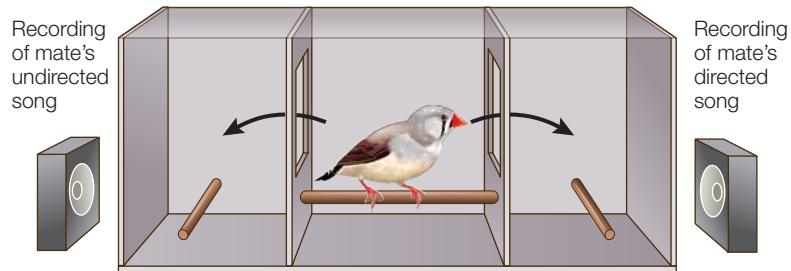
- What supports the conclusion that female is the default sex-developmental pathway in rats?
- Why is it important that a nestling White-crowned Sparrow hear its father’s song?
- Why is it significant that the White-crowned Sparrow can introduce variations in its species-specific song?
Selective Pressures Shape Behavior
- ■ An animal’s behavior involves choices that influence its fitness. Animals use environmental cues that are reliable predictors of the potential effects of their choices on their fitness.
- ■ The cost–benefit approach can be used to investigate the fitness value of specific behaviors. The cost of a behavior includes energetic cost, risk cost, and opportunity cost.
- ■ Optimal foraging theory states that feeding behaviors should maximize energetic gain at the least cost.
Questions
- What are the costs and benefits to male and female Yarrow’s spiny lizards of having seasonal cycles of reproductive hormone levels?
- What is the selective advantage for many seabirds of defending small and tightly packed spaces that are not much larger than their nests?
- Beaches on islands are preferred by dominant male elephant seals, whereas nondominant males form territories on mainland beaches. What are two reasons why female elephant seals prefer to give birth on island rather than mainland beaches?
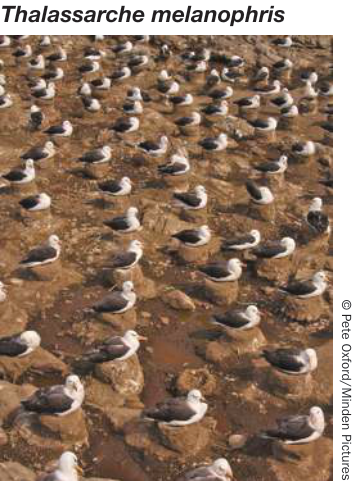
Figure 51.9
Behavior Can Be Studied Mechanistically
Animations 51.3 and 51.4, and Simulation 51.1
- ■ Circadian rhythms are endogenous cycles that free-run with a period not equal to 24 hours and are entrained by environmental light–dark cycles.
- ■ Endogenous circannual rhythms enable animals to anticipate seasonal changes.
- ■ Forms of animal navigation include piloting, homing, distance–direction navigation, and bicoordinate navigation. Cues include star patterns, Earth’s magnetic field, and the position of the Sun.
- ■ Behaviors become communication signals if the information they convey benefits both the sender and the receiver.
- ■ Chemical communication signals (pheromones) can be highly specific and have different time courses. Visual signals can convey complex messages rapidly but directionally. Acoustic signals can travel over long distances. Tactile signals can convey complex messages.
- What is the role of circadian rhythms in solar compass navigation?
- Explain why the SCN transplant experiment showed that the SCN was both necessary and sufficient for circadian rhythms.
- How does the waggle dance of the honey bee convey information about distance and direction to a food source?
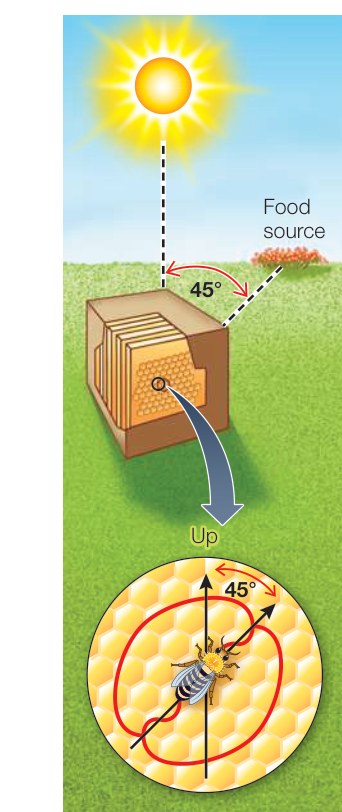
Figure 51.16
Social Interactions Shape the Evolution of Behavior
- ■ Polygynous mating systems result in great variation in male reproductive success.
- ■ Monogamy and polyandry can evolve in circumstances in which males can maximize their reproductive fitness by helping to care for their young.
- ■ Individual reproductive success is direct fitness, and it can be augmented by reproductive success of relatives (indirect fitness), resulting in inclusive fitness.
- ■ Kin selection may favor altruistic behavior toward relatives if it increases the performer’s inclusive fitness.
- ■ Eusocial behavior in hymenopterans is favored because of their haplodiploid sex determination, but it has also arisen in diploid species.
Questions
- Why is sexual dimorphism most common in polygynous species?
- In genetic terms, define altruism and explain three social systems in which it evolved.
- Belding’s ground squirrels live in colonies of mostly females and their offspring. Adult females have been observed killing offspring of neighbors and also protecting offspring of neighbors. How could you explain these behaviors?
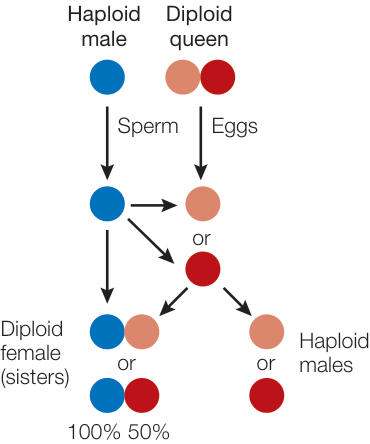
Figure 51.19